
Table of Contents
Overview: Why Medicare and a move to Cuenca require planning
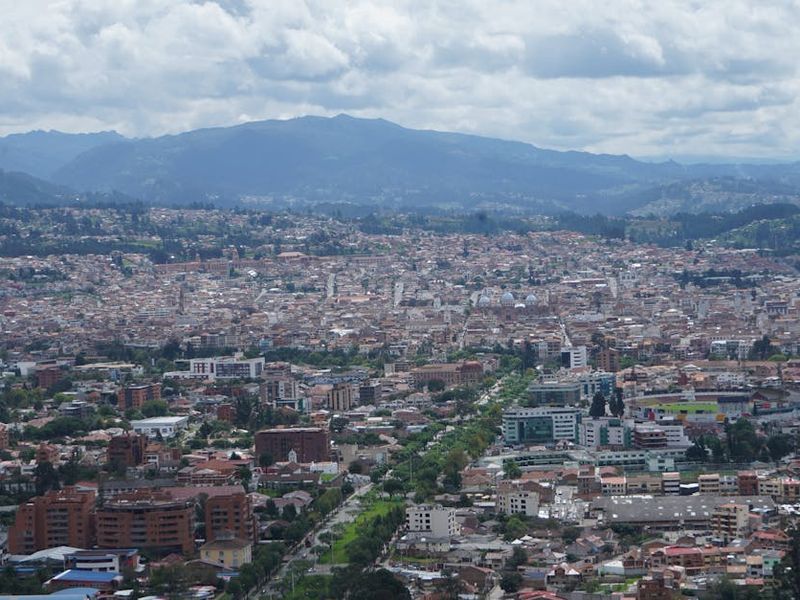
Retiring or relocating to Cuenca, Ecuador, is a dream for many Americans: spring-like weather, colonial streets, and lower living costs. But healthcare planning is one of the most important practical decisions you’ll make. The essential fact to accept upfront is this: Medicare generally does not pay for health care received outside the United States. That means Americans moving to Cuenca need a new approach to coverage, continuity of care, and emergency planning.
What Medicare actually covers when you live abroad
Medicare Parts A and B, and most Medigap and Part D benefits, are designed for care inside the U.S. Exceptions are narrow (for example, certain shipboard incidents or treatment in a U.S. territory). In short: don’t expect Medicare to pay Ecuadorian hospitals or local doctors.
That said, you can usually keep your Medicare enrollment while living abroad if you continue to pay your premiums and maintain a U.S. address or means for managing paperwork. Many expats keep Part B active to preserve enrollment and avoid penalties if they return to the States. But keeping Medicare does not replace the need for local or international insurance while in Ecuador.
How Cuenca’s healthcare system is structured
Cuenca has a mix of public and private care. Public-sector providers include the provincial hospitals and the Ecuadorian social security system (IESS) facilities, which serve contributors and their dependents. Private clinics and hospitals in Cuenca offer faster service, many modern diagnostic services, and bilingual staff in some facilities. You’ll also find numerous specialist clinics, dental practices, and diagnostic centers.
Public hospitals tend to be busier and more budget-oriented, while private hospitals provide more comfort and shorter waits. For complex procedures, some expats travel to larger cities—Quito or Guayaquil—where there are more advanced specialty centers; for certain very specialized care, travel to the U.S. may still be necessary.
Options for health coverage in Cuenca
When Medicare won’t pay, most expats rely on one or more of the following:
- Private international health insurance — Plans from companies such as Cigna Global, GeoBlue, IMG, and Allianz can be purchased before you move and are designed for expats and long-term travelers. They typically cover inpatient care, outpatient visits, and medical evacuation, though coverage details and premiums vary widely.
- Ecuadorian private insurance — Local insurers sell plans to residents; these plans are often less expensive than international policies but may have narrower networks or different benefit structures. Policies are usually written in Spanish, so carefully review exclusions and claims procedures.
- IESS (Ecuadorian Social Security) — If you work or make voluntary contributions, you can affiliate with IESS and access its services. Residency alone doesn’t automatically enroll you; there is a registration and contribution process. Some retirees choose to join IESS voluntarily for access to public care at lower out-of-pocket prices.
- Short-term travel or visitor plans — Useful for transitional periods if you’re moving slowly or awaiting long-term plan acceptance; however, these are not substitutes for long-term coverage and may exclude pre-existing conditions.
Typical costs in Cuenca — realistic ranges
One of the big advantages of Cuenca is affordability. While prices fluctuate, a typical primary care visit in a private clinic often ranges from $20 to $50; specialist consultations might be $40 to $100 depending on the field and the physician’s reputation. Basic diagnostic tests and imaging are generally much cheaper than in the U.S.—a chest X-ray or routine blood panel can cost a fraction of U.S. prices, and an MRI might be a few hundred dollars rather than thousands.
Dental work and elective procedures are also substantially cheaper. Many expats get crowns, bridges, and implants in Ecuador for significant savings. But remember: cheaper isn’t always better. Vet the provider’s credentials, read reviews, and if a price seems too low, ask why.
How to keep continuity of care across borders
Long-term health demands continuity—regular medications, specialty follow-ups, or ongoing treatments. Here are practical steps to keep your care seamless:
- Bring complete medical records and make digital copies. Translate key documents into Spanish if possible.
- Keep a current medication list with generic names; drug names differ internationally.
- Arrange an initial checkup with a Cuenca-based primary care doctor and provide them with your U.S. records.
- Use telemedicine to maintain relationships with key U.S. specialists, if necessary.
- Plan prescription refills carefully. Medicare Part D won’t cover prescriptions filled in Ecuador; set up mail-order refills from the U.S. if that’s critical, but realize shipping and customs can complicate things.
Emergencies and medical evacuation — don’t ignore this
Emergency care in Cuenca is competent, but high-acuity or rare specialized care may require transfer to a larger facility or repatriation to the U.S. Medical evacuation (air ambulance) can cost tens of thousands of dollars or more. Many expats purchase evacuation insurance from providers such as Global Rescue or Medjet to avoid catastrophic bills and to ensure a clear plan if severe illness or injury occurs.
Check what local hospitals can do for stabilization, and ask your international insurer about network hospitals in Cuenca. Know the location of the nearest emergency departments and keep emergency contact numbers in your phone.
Language, culture, and finding the right doctor
Language is a practical barrier. Many doctors in Cuenca—especially in private clinics—speak some English, but fluency varies. If you don’t speak Spanish, finding bilingual providers or arranging translation help for appointments is wise. The expat community is a valuable resource: forums, Facebook groups, and local meetups often share doctor recommendations for specialists, dentists, and therapists.
When choosing providers, look for board-certified specialists, ask about international training, and request references from other patients. Consider visiting a clinic for a basic consultation and assessing communication and comfort before committing to major procedures.
Residency, visas, and access to public healthcare
Your visa status affects what healthcare options are available. Many Americans in Cuenca hold a Pensionado (retiree) visa or a residency visa. Neither automatically entitles you to IESS; affiliation requires registration and contributions. If you plan to work in Ecuador, your employer usually handles IESS enrollment.
Before you move, determine whether you’ll voluntarily contribute to IESS or rely solely on private/international insurance. Voluntary enrollment can be an economical way to access public services, but it has requirements and waiting periods—seek current information from Ecuadorian immigration and IESS offices or consult a local immigration attorney.
Prescription medications — what to expect and how to prepare
Pharmacies in Cuenca are plentiful, and many commonly used medications are available, often at lower cost. However, brand names may differ and some controlled substances require prescriptions or aren’t available. Before you leave the U.S., do the following:
- Stock up on critical medications and obtain an adequate supply, within legal limits, while you transition.
- Bring copies of prescriptions and a letter from your U.S. physician explaining your medications and dosages.
- Learn the generic names of your drugs and their Spanish equivalents.
Practical checklist before you move to Cuenca
Here’s a compact list of steps to protect your health and finances when moving:
- Confirm your Medicare status and whether you’ll maintain Part B. Know how to pay premiums from abroad.
- Buy international expat health insurance or an Ecuadorian policy that meets your needs.
- Purchase medical evacuation insurance or confirm it’s included in your plan.
- Collect and translate medical records, prescriptions, and vaccination history.
- Identify English-speaking doctors and hospitals in Cuenca; schedule an initial appointment after arrival.
- Register with the U.S. Embassy or Consulate and save emergency contact info.
- Consider pre-travel consultations for vaccinations and dental or elective work if preferred.
Common myths debunked
Myth: “Medicare will cover me if I move abroad.” Not true in most cases. Myth: “Ecuadorian care is basic.” False — Cuenca has quality private clinics and experienced specialists. Myth: “I can’t get good care without Medicare.” Also false — with international insurance or IESS enrollment, many expats receive high-quality care at a fraction of U.S. costs.
When you might still use U.S. healthcare
Some expats travel periodically back to the U.S. for major procedures, complex cancer care, or to see long-time specialists. If you plan to do this, coordinate a schedule that preserves continuity, retains U.S. provider relationships, and times Medicare enrollment decisions around your travel. Keep in mind travel costs and recovery logistics when deciding whether to stay in-country for a procedure or return to the U.S.
Final thoughts — planning is the key
Moving to Cuenca opens many opportunities: a relaxed lifestyle, cultural richness, and substantial healthcare savings. But the transition requires thoughtful planning because Medicare will not be your safety net in Ecuador. Spend time researching international insurers, talk with expats who’ve navigated IESS enrollment, identify trusted Cuenca clinicians, and secure medical evacuation coverage if you would want repatriation for serious events.
With the right insurance choices, local providers vetted, and practical preparations in place, you can confidently enjoy life in Cuenca while maintaining a strong plan for your health. Start early, ask direct questions, and build a health plan that fits both your needs and new life in Ecuador.