
Table of Contents
Why Cuenca Is a Smart Choice for Dental Care
Cuenca has become a magnet for expats and dental tourists seeking high-quality care at lower prices. The city’s combination of experienced dentists, modern clinics and affordable living makes it attractive for everything from routine cleanings to advanced implant work. But knowing how local dentistry operates — and how to prepare — will help you get the best results.
How to Choose the Right Clinic in Cuenca
Start by narrowing down clinics by location and reputation. Popular neighborhoods for clinics include the historic Centro near Parque Calderón, El Vergel, and the modern commercial corridor along Av. Huayna Cápac. Look for clinics that advertise English-speaking staff, digital X-rays and cross-specialty teams (prosthodontics, endodontics, periodontics).
- Check reviews on Google, Facebook expat groups, and specialized dental tourism forums.
- Ask for before-and-after photos and patient references when possible.
- Verify membership in the Colegio Odontológico del Azuay — that’s the local professional body dentists belong to.
Common Procedures: What They Are and What to Expect
Below are the dental treatments most commonly sought by residents and visitors in Cuenca, with a practical explanation of each, the typical process, and an estimated price range in U.S. dollars. Prices vary by clinic, materials and clinician experience.
1. Routine Cleaning and Exams
Professional cleanings (prophylaxis) remove plaque and tartar, often combined with an oral exam and X-rays. Expect a cleaning to take 30–60 minutes. Clinics use ultrasonic scalers and can provide polish and fluoride treatment.
- Typical cost: $20–$50
- Tip: Ask for digital X-rays if you want to keep records for future clinics or your dentist abroad.
2. Fillings (Composite and Amalgam)
Decay is treated with a filling. Composite (tooth-colored) fillings are the preferred choice for visible teeth, while amalgam (silver) may be cheaper. Procedures are usually completed in a single visit.
- Typical cost: $30–$120 depending on material and tooth location.
- Tip: Request to see the material brands used, and ask about warranties or follow-up checks.
3. Root Canal Treatment (Endodontics)
Root canals are used when infection has reached the tooth pulp. Modern clinics in Cuenca commonly use rotary instruments and digital imaging. Treatment may require one to three visits and is usually followed by a crown to protect the tooth.
- Typical cost: $120–$400 per root canal, depending on tooth complexity.
- Tip: If you’re visiting from abroad, get a written treatment plan and timeline before committing to multi-visit therapies.
4. Crowns and Bridges
Crowns restore worn or broken teeth and are also used after root canals. Bridges replace one or more missing teeth by linking crowns on adjacent teeth. Materials range from metal-ceramic to full zirconia or E-max porcelain for better aesthetics.
- Typical cost: Crowns $200–$600; Bridges depend on span and materials, often $600–$2,000.
- Tip: Ask whether labs are local (faster turnaround) or outsourced. Request temporary crowns while the final work is made.
5. Dental Implants
Implants are a permanent solution to missing teeth. The process involves placing a titanium implant in the jaw, waiting for osseointegration (usually 3–6 months), then attaching an abutment and prosthetic crown. In Cuenca you’ll find dentists offering full implant services including CBCT scans for planning.
- Typical cost: $700–$1,500 per implant including crown (varies by implant brand and complexity).
- Tip: Ask which implant brand is used. Brands with international warranties and well-documented research are preferable.
6. Extractions and Oral Surgery
Extractions range from simple removals to surgical removal of impacted wisdom teeth. Most clinics provide local anesthesia and conscious sedation options for nervous patients. For complex cases, look for clinics that collaborate with maxillofacial surgeons.
- Typical cost: Simple extraction $30–$80; surgical extraction $80–$250
- Tip: Get clear post-op instructions and a list of nearby pharmacies for prescriptions.
7. Dentures and Partials
From basic acrylic dentures to higher-end flexible partials, Cuenca labs can craft prosthetics to fit your budget. The process includes impressions, try-ins and adjustments, usually over several appointments.
- Typical cost: Partial dentures $150–$500; full dentures $250–$800
- Tip: Plan for at least one follow-up adjustment — fit issues are common during the first few weeks.
8. Veneers and Cosmetic Dentistry
Porcelain veneers and aesthetic bonding are widely available for smile makeovers. Veneers require careful shade matching and precise lab work, and many clinics offer digital mockups so you can preview results.
- Typical cost: Veneers $200–$500 per tooth; teeth whitening $120–$300
- Tip: Ask for a smile simulation and a written explanation of tooth preparation and maintenance.
9. Orthodontics (Braces and Aligners)
Traditional metal braces are common, and several practices offer clear ceramic brackets or Invisalign-style clear aligners. Treatment length mirrors international standards and depends on complexity.
- Typical cost: Metal braces $800–$2,000; clear aligners/esthetic options generally higher.
- Tip: Verify that your orthodontist has access to ongoing monitoring and emergency care for bracket breakage or discomfort.
Preparing for a Dental Visit as an Expat or Visitor
Bring identification (passport), any existing dental records, and a list of medications. Many clinics will request your medical history, so have that information ready. If you take blood thinners or have heart conditions, notify the clinic in advance.
Language can be a concern — many dentists in Cuenca speak some English, but it’s prudent to ask the clinic about an English-speaking coordinator or bring a bilingual friend. Expats often find that local staff are patient and helpful, but a translator speeds up consent and treatment planning.
Hygiene, Safety and Sterilization Standards
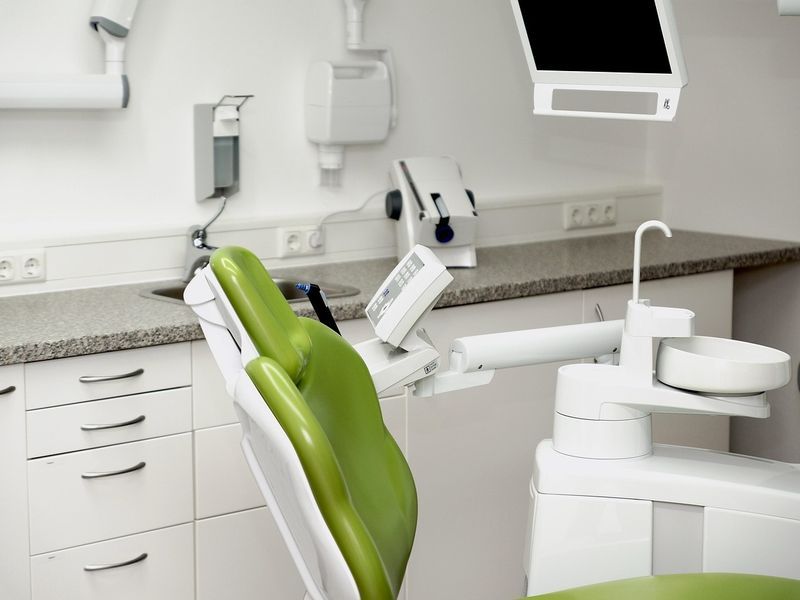
High-quality Cuenca clinics follow modern sterilization protocols: autoclaves for instruments, disposable items where appropriate, and digital infection control logs. Ask to see sterilization certificates or photos if you have concerns. It’s reasonable to inquire about PPE use and sterilization routines before major procedures.
Costs, Payment and Insurance
One of the biggest draws to Cuenca is cost savings. Most treatments are 40–70% cheaper than in the U.S. or Canada. Clinics accept cash (USD in Ecuador), credit cards and sometimes local health insurance or international dental plans. Always request a detailed written estimate that lists materials, lab fees and post-op visits.
- Tip: Compare itemized estimates from at least two clinics before committing to expensive procedures.
- Tip: Dental tourism packages often combine free consultations and discounted prices — but read the fine print about follow-up care.
Timing, Travel and Treatment Planning
Plan longer procedures around your stay. For example, implants require several months between stages. Many expat patients split treatment into phases — initial surgery in Cuenca, healing at home, then final crown placement either back in Cuenca or at home. If you’re flying back and forth, coordinate with both dentists to ensure continuity of care.
For multi-step treatments, request a treatment timeline and surgical dates in writing. Also confirm emergency contact procedures in case problems arise after you return home.
Aftercare and Follow-Up
Follow aftercare instructions closely. Most clinics will give written post-op directions and prescriptions for antibiotics and analgesics, commonly available at local pharmacies. Expect to return for at least one follow-up visit after major work to check healing and fit.
- Tip: Keep a physical and digital copy of all dental records, x-rays and invoices. They’ll be invaluable if you need care elsewhere.
- Tip: If you’re on a tight schedule, schedule your follow-ups before you leave Cuenca to avoid delays.
Common Questions Expats Ask
Are Cuenca dentists properly trained?
Many dentists in Cuenca train at the Universidad de Cuenca or Universidad del Azuay and often pursue postgraduate courses abroad. You’ll find clinicians with international training and certifications. Checking clinic bios and credentials is straightforward and recommended.
How do I handle language barriers?
Ask clinics ahead if they have English-speaking staff or patient coordinators. Expat Facebook groups often share clinic recommendations and translators. For complex consent forms, consider bringing a translator.
What about warranties and guarantees?
Some clinics offer limited warranties on lab work and implants; get this in writing. Understand what is covered, the time frame and whether transportation costs or replacements are included.
Where to Find Reliable Information and Community Advice
Online resources are invaluable. Check local expat forums, the Cuenca expat Facebook groups, and dental tourism websites for recent patient experiences. Word-of-mouth remains powerful — ask neighbors, language-school friends or local retirement communities for trusted referrals.
Practical Tips for a Smooth Dental Experience in Cuenca
- Book an initial consultation to get a second opinion and written treatment plan.
- Bring an unlocked phone with local SIM or ensure Wi-Fi access for teleconsultations and follow-ups.
- Plan downtime after major procedures; Cuenca’s 2,500-meter altitude can affect healing and comfort for a day or two.
- Use local pharmacies for prescriptions but verify generic names to avoid confusion.
- Pay in USD and ask for itemized receipts for insurance reimbursement if applicable.
Final Thoughts: Balancing Cost, Convenience and Quality
Cuenca offers a compelling mix of professional dental services and affordable prices — making it an excellent option whether you’re an expat settling in Ecuador or traveling specifically for dental care. By choosing an accredited clinic, verifying credentials, and planning treatments around your schedule, you can access high-quality dental work while enjoying the charm and cultural richness of Cuenca. A little research, clear communication and keeping good records will help you leave with a healthy smile and confidence in your dental care.
For up-to-date pricing and clinic recommendations, touch base with local expat communities in Cuenca or schedule a consultation with a few clinics to compare approaches. Prevention is also key — regular cleanings and timely treatment will save you both money and discomfort in the long run.