
Table of Contents
Introduction: Dental Tourism and the Cuenca Advantage
For many expats, dental care is more than a medical decision—it’s a life-changing financial and lifestyle choice. In recent years Cuenca, Ecuador has become a top destination for dental tourism, drawing patients from the United States, Canada, and Europe who want world-class dentistry without the sky-high price tags. Combine dramatic cost savings (often 60–70% less than the US and Canada), highly trained dentists, cutting-edge clinics, and an unbeatable recovery environment, and you quickly see why so many people choose to travel to Cuenca for implants, crowns, veneers and full-mouth restorations.
Massive Savings Without Compromise: Your Money Goes Farther
One of the simplest, most compelling reasons expats relocate to Cuenca for dental work is the cost. Dental implants that might run $3,000–$5,000 per tooth in the U.S. can frequently be done in Cuenca for $800–$1,500. Crowns that cost $800–$2,000 back home are often $150–$400 in Cuenca. Veneers that might be $900–$2,500 are frequently $200–$500. These are not bargain-basement knockoffs — they reflect the lower overhead and favorable exchange rates combined with clinics that invest in high-quality materials and modern labs.
When you add up implants, crowns or a full set of veneers, savings of 60–70% can turn an unaffordable project into an achievable one. For many expats this financial freedom is the tipping point: they decide to move to Cuenca, make a long-term plan for dental care, and use local resources to complete multi-stage procedures at an unbeatable overall value.
Highly Trained Dentists With Global Experience
Cuenca’s dental professionals are trained at reputable local and international universities and many pursue advanced training abroad in the U.S., Europe, and elsewhere in Latin America. It’s common to find dentists who are specialists in implantology, prosthodontics, endodontics and cosmetic dentistry. Clinics often have teams of specialists who collaborate on complex cases—periodontists, oral surgeons, lab technicians and anesthesiologists—so you’re treated by experts rather than by a generalist trying to do everything.
Before you schedule anything, it’s easy to confirm credentials: ask for university diplomas, specialty certifications, and proof of continuing education. Many clinics are proud to share this documentation and patient case studies, and plenty of dentists are bilingual or work with translators to make communication easy.
Modern Clinics and Advanced Technology
Don’t imagine small-town dentistry. Many of Cuenca’s clinics are state-of-the-art, outfitted with 3D CBCT scanners, CAD/CAM systems (CEREC), intraoral scanners, digital X-rays, and on-site milling labs. That means faster turnaround for crowns and prosthetics, more precise implant planning with guided surgery, and the ability to design restorations digitally before they’re placed.
Having in-house labs and digital workflows shortens treatment timelines and improves aesthetics and fit—one of the reasons patients get consistent, high-quality results that rival or exceed what they paid much more for at home.
Short Wait Times and Efficient Treatment Schedules
In many parts of North America patients can wait weeks or months for specialists or complex procedures. Cuenca’s clinics typically offer much shorter wait times. You can often book a consultation within days and schedule procedures swiftly. For implants, many clinics offer convenient schedules where the surgical phase and the restorative phase are planned clearly—some clinics even provide immediate-load implants when clinically appropriate, reducing total treatment time.
If your case requires staged visits (common for multiple implants), Cuenca’s central location and efficient scheduling make it easy to plan two or three trips without disrupting life back home. For those who relocate, the continuity of care improves and follow-ups are straightforward.
The Ideal Recovery Environment: Why Cuenca Heals Better
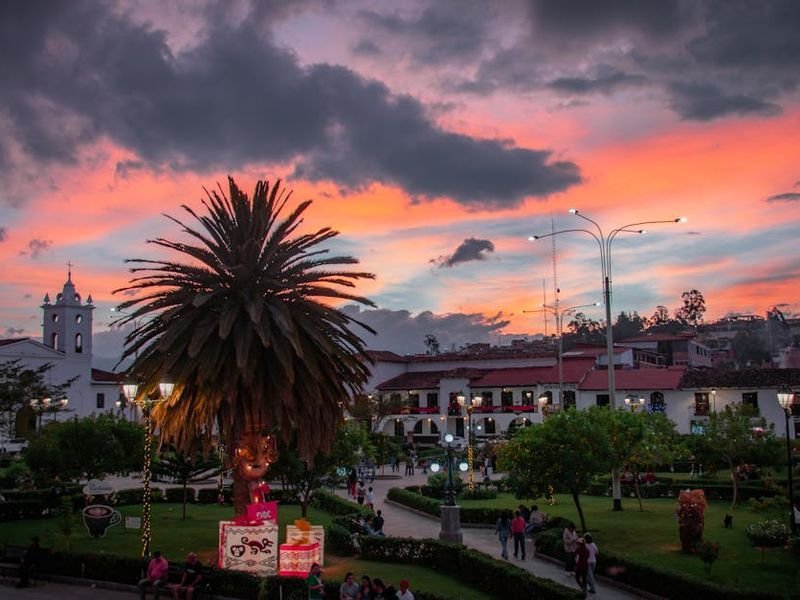
Recovery matters. Cuenca’s mild, spring-like climate—year-round temperatures that rarely spike—makes postoperative recovery far more comfortable than hot or humid destinations. The city sits at about 2,560 meters (roughly 8,400 feet) above sea level; the dry, cool air and gentle lifestyle are conducive to healing. Cobblestone plazas, tree-lined river walks along the Tomebamba, and quiet neighborhoods mean you can pace your recovery with peaceful morning strolls or light sightseeing within easy reach of your accommodation.
Cuenca’s array of boutique hotels, long-term rentals and Airbnb options offer comfortable, quiet spaces ideal for rest after surgery. Many expat-oriented apartments are within walking distance of clinics, pharmacies and grocery stores, making it easy to follow a soft-food diet and get prescriptions filled without stress.
Combine Treatment with a Dental Vacation
One of the most delightful aspects of dental tourism in Cuenca is pairing procedures with exploration. Between appointments you can enjoy UNESCO-listed historic center strolls, art galleries, artisan markets in Chordeleg (famous for jewelry), coffee farms, and day trips to Cajas National Park for highland hikes and stunning lagoons. Cuenca gives you a vacation while you heal—a restorative experience for both body and mind.
Many clinics will help plan sightseeing and leisure activities around your dental schedule. Imagine getting veneers or crowns in the morning and enjoying a gentle afternoon exploring Parque Calderón, or scheduling an implant surgery followed by a low-key day of local cuisine sampling once your dentist gives the green light. This combination of medical care and tourism is what makes dental vacations so appealing.
Personalized, One-on-One Patient Care
Unlike large corporate clinics where patients can feel like numbers, many Cuenca dentists run small, patient-focused practices. That means more time with your dentist, personalized treatment plans, and direct access to the clinicians who perform your work. Communication tends to be more personal and transparent—dentists take time to explain materials, treatment options, timelines, and aftercare so you know exactly what to expect.
Post-op follow up is often more attentive as well. Clinics frequently provide phone or WhatsApp support after procedures so you can get quick answers to questions during critical healing periods. Many patients cite the warm, attentive care as one of the main reasons they return or recommend Cuenca to friends.
How to Plan a Dental Trip to Cuenca: Practical Steps
Planning carefully will maximize your results and minimize stress. Here are practical steps to follow:
- Start with virtual consultations: Most clinics accept digital X-rays and photos via email or WhatsApp. This allows preliminary treatment plans and cost estimates before you travel.
- Request detailed quotes: Get a written estimate that lists materials, lab fees, anesthesia, and follow-up visits. Ask about warranties for crowns and implants.
- Verify credentials: Request diplomas, specialty certificates, and examples of before-and-after cases similar to yours.
- Plan timing around procedures: For simple crowns or veneers, one or two weeks may be enough. For implant cases that need staged healing, expect two trips or a longer stay of several months if you want the entire process done locally.
- Book comfortable accommodations: Choose lodging with a kitchen for soft-food meals and a quiet environment for rest. Many short-term rentals near the historic center are ideal.
- Arrange for transportation: Cuenca’s Mariscal Lamar Airport (CUE) connects via Quito and Guayaquil—plan flights to minimize transfers and jet lag.
- Ask about language support: If you don’t speak Spanish, confirm the clinic provides an English-speaking coordinator or translator.
Checklist for Your Dental Concierge
- Consultation and digital assessment
- Detailed treatment plan and timeline
- Breakdown of costs and payment options
- Accommodation and transportation assistance
- Post-op communication plan and emergency contact
Common Procedures and Realistic Timelines
Understanding timelines helps set expectations. Here’s a general guide:
- Porcelain crowns: Typically two visits 1–2 weeks apart if crowns are made in-house with CAD/CAM; slightly longer if outsourced to premium labs.
- Veneers: Two to three visits over 1–3 weeks for prep, temporary placement, and final cementation.
- Single implants: Surgery day and suture removal in 7–10 days; healing 3–4 months (may be shorter with bone grafting depending on your case), followed by abutment and crown placement.
- Full-arch restorations (All-on-4/6): Often completed in staged fashion—surgery and immediate provisional teeth followed by definitive prosthetics in a few months.
If you relocate to Cuenca full-time, you’ll benefit from on-the-ground continuity: follow-ups, adjustments, and future dental needs are easier and more affordable.
Safety, Sterilization and Quality Assurance
High-quality Cuenca clinics adhere to rigorous sterilization standards comparable to North American and European facilities. Clinics investing in modern equipment typically follow strict infection control protocols, use disposable materials when appropriate, and maintain digital records for traceability. Don’t be shy—ask about sterilization procedures, instrument tracking, and whether the clinic uses internationally recognized implant brands and dental materials.
Aftercare: Healing, Follow-Up and Returning Home
Aftercare is critical to long-term success. Clinics in Cuenca often provide detailed written aftercare instructions in English, suture removal services, and emergency contact options. If you return home before long-term follow-up, make sure to receive a comprehensive treatment summary and digital records to share with your local dentist. Many expats who relocate to Cuenca avoid this problem entirely by building an ongoing relationship with a local dentist for maintenance and periodic checkups.
Community and Lifestyle Benefits for Expats
Beyond dentistry, Cuenca offers a high quality of life: a vibrant expat community, affordable living costs, reliable healthcare, cultural activities, and easy access to outdoor adventures. Many people who initially travel for dental care discover the broader benefits of living in Cuenca and decide to relocate. The city’s combination of professional services and welcoming lifestyle makes it easy to imagine long-term residency—especially when good dental care is affordable and accessible.
Final Words: Why Cuenca Stands Out
In a world where high-quality dental care often comes with an overwhelming price tag, Cuenca stands out as a true dental tourism capital. The combination of dramatic cost savings (60–70% compared to North America), highly trained dentists, modern clinics with advanced technology, short wait times, attentive one-on-one care, and an inspiring recovery environment is hard to beat. Whether you’re planning a single implant or a full smile makeover, Cuenca offers extraordinary value—turning dental procedures into an opportunity for healing, exploration and a refreshed life.
For expats who prioritize both financial sense and quality of care, Cuenca isn’t just a destination for a dental vacation—it’s a sensible place to call home.