
Table of Contents
Why Cuenca Tops the List for Dental Tourism
For many retirees, dental care becomes a major line item in the budget — especially when implants, crowns or veneers are needed. Cuenca, Ecuador has quietly become one of the world’s best-kept secrets for high-quality, affordable dental care. Between savings of 60–70% compared to the U.S. and Canada, internationally trained dentists, modern clinics with state-of-the-art technology, and a beautiful, calm recovery environment, Cuenca is more than a destination: it’s a smart dental vacation strategy.
Massive Cost Savings Without Sacrificing Quality
Cost is the headline reason retirees head to Cuenca. Typical price comparisons show dramatic differences: a single dental implant with crown that might cost $3,000–$6,000 in the U.S. often costs $900–$1,800 in Cuenca; a porcelain crown that costs $800–$1,500 at home can be $150–$400 here; and veneers that run $900–$2,500 per tooth in North America are commonly $200–$700 in Cuenca. Those ranges vary by materials and provider, but the result is the same — many retirees save 60–70% and can often afford multiple improvements for the price of a single procedure back home.
World-Class Training and Modern Clinics
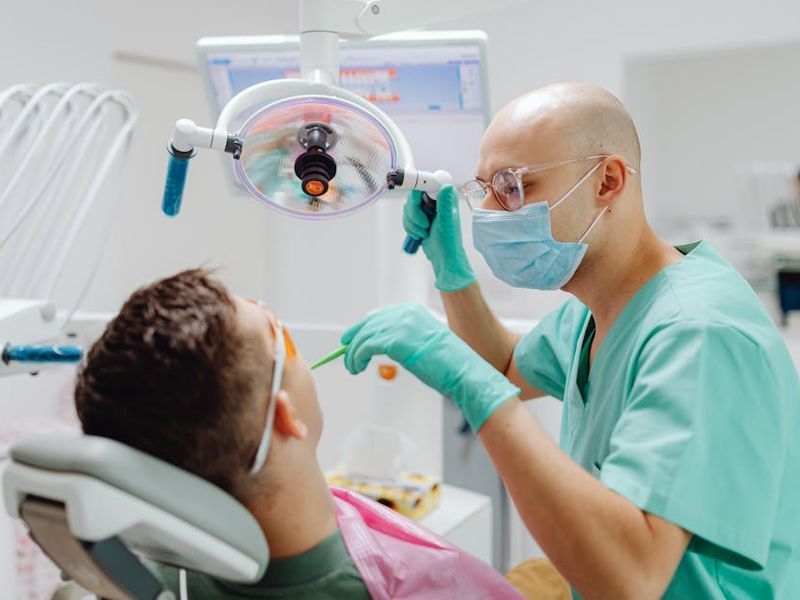
Cuenca’s dental professionals are trained at respected local universities such as Universidad del Azuay and Universidad de Cuenca, and many have pursued advanced studies and residencies abroad. Clinics in Cuenca are increasingly equipped with modern diagnostics and digital workflows: digital X-rays, 3D cone beam CT (CBCT), in-office CAD/CAM milling for same-day crowns, and precision implant systems. Sterilization and infection control standards in top clinics are comparable to international norms, and personalized one-on-one care is common — you work directly with the dentist who plans and places your treatment.
Short Wait Times and Efficient Scheduling
Unlike lengthy waiting lists for specialist appointments in many countries, Cuenca clinics typically offer fast scheduling and minimal delays. Many dentists allocate dedicated time for international patients, and several clinics can arrange consultations and treatment plans quickly after you arrive. For retirees who want to minimize disruption and get timely care, that efficiency is invaluable — you won’t spend months waiting for a crown or implant slot.
Combine Treatment with a Soothing Recovery Vacation
One of the biggest advantages of choosing Cuenca is the ability to recover in a peaceful, stimulating environment. Cuenca’s mild, spring-like climate, colonial architecture, and low-stress pace make it an ideal place to recuperate. After a procedure, gentle walks by the Tomebamba River, visits to the Parque Calderón, or short day trips to Cajas National Park are restorative without being strenuous. Hotels and short-term rentals that cater to medical tourists often provide ground-floor rooms, kitchenettes, and easy access to clinics, making recovery comfortable and convenient.
Procedures That Make the Most Sense to Combine with a Dental Vacation
Many retirees fly to Cuenca specifically for implants, crowns, and veneers — procedures that offer dramatic cosmetic and functional benefits. Practical options include:
- Single-tooth implants and implants with custom zirconia crowns
- Complete arch solutions like All-on-4 or hybrid prostheses
- Porcelain or zirconia crowns and bridges
- Porcelain or composite veneers for smile makeovers
Because some treatments require staged visits (implant placement and later crown attachment), savvy dental vacationers structure trips around clinic timelines. Many clinics offer streamlined workflows — same-day crowns with CAD/CAM, immediate-load implants in selected cases, and in-house labs that speed turnaround — so you can maximize your time in Cuenca.
Personalized Care and English-Friendly Service
One of the most welcome surprises for many retirees is the high level of personalized attention. Clinics in Cuenca tend to offer one-on-one consultations and continuity of care, meaning the same dentist conducts your exam, places the implant, and oversees final restoration. Many dentists and clinic staff speak English, and where language barriers exist, reliable translators are available. This personable approach reduces anxiety and builds trust — a major reason retirees feel comfortable having complex dental work abroad.
The Practical Steps: How to Plan a Dental Trip to Cuenca
Planning a successful dental vacation requires a few practical steps. Start with a remote consultation: email your dental records and recent X-rays to potential clinics and request a detailed treatment plan that includes estimated costs and timelines. Confirm the following before you book travel:
- Exact number of visits and days required in Cuenca
- Whether sedation or general anesthesia will be used and associated medical clearances
- Material brands and lab partners (zirconia type, implant system)
- Warranties, follow-up policy, and emergency contact procedures
- Payment terms and accepted payment methods
When you arrive, allow a day or two to acclimate to Cuenca’s altitude (about 2,560 meters / 8,400 feet) before any major procedure. That helps reduce dizziness and gives you time to meet your dentist in person. After treatment, plan at least a few relaxed days for recovery; many retirees stay a week or more depending on the complexity of the work.
Where to Stay and What to Do While Recovering
Cuenca is compact and easy to navigate, making it simple to pair appointments with leisure. Popular neighborhoods include the Historic Center (Centro Histórico) around Parque Calderón for colonial charm, El Batán for quieter residential streets, and the Turi area for scenic views. Choose accommodation with accessibility in mind: ground-floor or elevator access, a kitchen for easy meals, and proximity to your clinic. Many retirees prefer serviced apartments or Airbnb rentals that offer longer-stay comfort.
Recovery-friendly activities include gentle plaza strolls, sipping coffee in local cafes, visiting museums, and short excursions to Cajas National Park for calm nature walks. Spa treatments, low-impact yoga classes, and cultural events around the city are great ways to keep spirits high without overtaxing healing tissues.
Safety, Standards, and What to Ask Your Dentist
Quality and safety are valid concerns. Ask prospective clinics about infection control protocols, sterilization equipment, and whether they use disposable vs. sterilizable instruments. Request photographs of prior cases and, if possible, references from international patients. Confirm that the implant systems and restorative materials have international recognition and warranties. Finally, ask how post-procedure complications are handled and whether they coordinate care with your home dentist for long-term follow-up.
Language, Documentation, and Visa Practicalities
Many dentists in Cuenca speak English, and clinics often provide language support. For documentation, bring existing dental records, a list of medications, and any relevant medical history. U.S. and Canadian citizens typically receive a 90-day tourist stay upon arrival in Ecuador, though visa rules change and you should confirm current requirements before travel. Travel insurance that covers medical evacuation is helpful, though most dental complications are managed locally.
How to Maximize Value: Timing, Combining Visits, and Financing
To get the most value, coordinate procedures that can be done efficiently: combine crowns and veneers in one trip if the lab turnaround allows; schedule implants and grafting with predictable healing times; and ask about in-house or partner labs for faster restorations. Many clinics offer package pricing for multiple procedures and accept major credit cards, bank transfers, or cash. Because overall costs are lower, retirees often find it feasible to choose higher-grade materials or additional esthetic options while still saving huge sums versus prices at home.
Realistic Expectations and Long-Term Care
Good dental tourism is based on realistic expectations. Not every case is suitable for a single trip; complex bone grafts, sinus lifts, and multi-stage reconstructions may require careful staging. Discuss contingency plans with your dentist, including what happens if a restoration needs adjustments after you return home. Many Cuenca clinics write detailed aftercare plans and can coordinate with your hometown dentist for future maintenance.
Why Retirees Keep Returning
Retirees choose Cuenca again and again for several reasons: the substantial financial savings free up retirement funds for other priorities; the city’s tranquil atmosphere speeds recovery and reduces stress; the quality of dental care is excellent and often personalized; and the logistics — short waits, English-friendly staff, and accessible clinics — are ideal for older adults. Beyond dentistry, Cuenca’s affordable cost of living and friendly expat community make it easy to extend a dental trip into a longer, restorative stay.
Final Tips for a Successful Dental Vacation in Cuenca
- Start with remote consultations and ask for transparent cost breakdowns.
- Plan arrival days to acclimate to altitude before procedures.
- Choose accommodations with recovery comfort in mind (kitchenette, elevator, proximity).
- Verify materials, implant systems, lab partners, and warranties.
- Bring a solid aftercare plan and coordinate with your home dentist if needed.
- Allow extra recovery time in your itinerary to enjoy Cuenca’s gentle attractions.
For retirees seeking real value and excellent dental outcomes, Cuenca offers a rare combination: world-class care, dramatically lower prices, and a beautiful city that doubles as a recovery haven. Whether you need implants, crowns, or veneers, consider making your next dental investment a dental vacation — you could come home with a better smile and thousands of dollars saved.