
Table of Contents
Why Cuenca is a Must for Food Lovers
Cuenca’s culinary scene blends Andean tradition, coastal influences and modern imagination. Nestled at 2,550 meters, the city’s markets overflow with fresh produce, the bakeries fill the air with warm cheese breads, and neighborhood restaurants turn family recipes into must-try dishes. Whether you want rustic comfort food, reinventions of Ecuadorian classics, or vibrant international cuisine, Cuenca serves it with a distinctive mellow hospitality that makes every meal feel like an experience.
How to Use This Guide
Rather than a rigid list of single restaurants, this guide organizes Cuenca’s food scene by neighborhood, meal type and budget — so you can pick spots depending on whether you’re hunting for street snacks, a leisurely lunch, a romantic dinner, or a local market adventure. You’ll find practical tips for ordering, paying, and fitting in as well as specific dish recommendations to try at each stop.
Start Where the City Eats: Markets and Street Stalls
For the truest taste of Cuenca, begin at a market. Mercado 10 de Agosto (the Central Market) and smaller neighborhood markets are where families buy produce and where cooks perfect century-old recipes. Look for stalls selling hornado (slow-roasted pork), freshly made llapingachos (cheesy potato patties), and bowls of caldo de gallina (chicken soup) steaming in the mornings.
Practical tip: Markets are busiest and most vibrant between 7:00–11:00 a.m. — go early for fresh breads, helado de paila (a traditional hand-churned sorbet) and to watch local vendors prepare plates on the spot. Cash is king at food stalls; small banknotes make life easier.
Must-Try Market Dishes
- Hornado – roast pork served with mote (hominy), salad and pickled onions.
- Llapingachos – pan-fried potato cakes often accompanied by chorizo or a fried egg.
- Pan de yuca and bizcochos – cheesy breads perfect with coffee.
- Helado de paila – fruit sorbets made in large copper pans outside market stalls.
Neighborhoods to Explore for Dinner
Cuenca’s best restaurants cluster in a few walkable areas. Stroll along the Tomebamba River and the historic Centro Histórico around Parque Calderón for a mix of high-end and traditional spots. Calle Larga, a long pedestrian avenue, is lined with cafés, fusion kitchens and pastries — it’s a great place for casual people-watching over coffee. For a quieter, local vibe, wander into the neighborhoods on the south side of the river where family-run diners and tiny bistros showcase home cooking.
Where to Go for Traditional Cuencano and Ecuadorian Food
If you want dishes rooted in local and regional tradition, hunt for places advertising comida típica or cocina serrana. Lunch menus (menú del día) often offer a starter soup, main course, and a juice — a fantastic value and the way locals eat the biggest meal of the day.
Signature Dishes to Order
- Cuy asado – roasted guinea pig, a highland specialty; try it at a reputable place if you’re adventurous.
- Fanesca – a rich, seasonal soup with grains and cod traditionally served during Semana Santa.
- Mote pillo – scrambled mote with eggs, herbs and corn flavors.
- Churrasco – Ecuadorian steak plate with rice, fried eggs, and salad.
Modern and Farm-to-Table Options
In recent years Cuenca’s culinary scene has embraced farm-to-table and contemporary approaches. Small kitchens are working with regional farmers to highlight local cheese, Andean grains, native potatoes and heirloom vegetables. Look for tasting menus or restaurants that describe sourcing practices — they often rotate dishes based on seasonal availability.
Tip: If you’re keen on a tasting menu, reserve in advance. Many of these intimate places seat limited guests and sell out, especially on weekends and holidays.
International Flavors and Vegetarian/Vegan Choices
Cuenca’s expat population and visiting travelers have encouraged a diversity of cuisines. You’ll find everything from Mediterranean tapas and Middle Eastern mezze to Asian fusion and excellent pizza. Vegetarian and vegan options are increasingly available: look for dedicated plant-based cafés or restaurants that mark vegetarian plates clearly on the menu.
Practical note: If you have strict dietary requirements, ask about stock and preparation — many traditional sauces bagged as “vegetarian” may still use chicken or beef broth. A simple phrase in Spanish goes a long way: “¿Esto tiene caldo de carne/pescado?” (“Does this have meat/fish broth?”).
Breakfasts, Bakeries and the Coffee Scene
Cuencan mornings deserve slow exploration. Local bakeries produce pan de yuca and empanadas that pair perfectly with Ecuador’s highland coffee. Specialty coffee shops crop up on Calle Larga and around Plaza Calderón; many roast local beans and offer pour-overs showcasing the region’s complex flavors.
Order tip: Try a mocha if you want something sweeter, but ask to taste the beans if you prefer a true single-origin profile. Coffee shops often roast beans from nearby provinces — a great way to taste terroir in a cup.
Sweet Endings: Desserts and Street Sweets
No food tour of Cuenca would be complete without helado de paila. These sorbets, churned in a cold copper pan with rock salt and ice, are fruity, intensely flavorful and often made using local fruits like naranjilla, guanábana or blackberry. Other treats to seek out include local puddings and pastries paired with the city’s many artisanal chocolate shops.
Rooftop and Scenic Dining
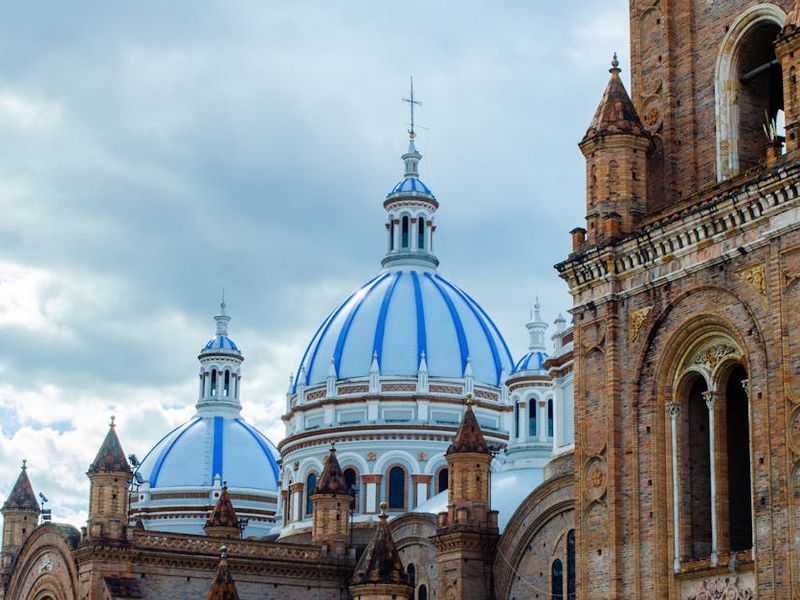
One of the joys of dining in Cuenca is the scenery — many eateries provide views over the red-tiled roofs, the blue dome of the New Cathedral, or the gently flowing Tomebamba River. Rooftop bars and terraces are ideal for sunset dinners. If you want a romantic evening, ask for a table by the railing and order dishes that share well, such as tapas-style plates or a ceviche sampler.
Budget-Friendly Eats and Street Food
Cuenca is fantastic for low-cost, high-flavor meals. You can build a filling day of eating for under $15 by sampling market breakfasts, lunchtime menú deals, and evening street snacks. Empanadas, grilled corn, and fresh fruit juices are cheap, delicious options that keep you energized between sightseeing.
Price Guide and What to Expect
- Street food / market stalls: $1–4 per item.
- Casual local lunch (menú del día): $2.50–6.
- Mid-range restaurant dinner: $10–25 per person.
- Fine dining or tasting menu: $30–60+ per person.
Most places accept cards but carry some small cash for stalls and tips. A 10% service charge is common in nicer restaurants, but adding a small extra tip for exceptional service is appreciated.
Practical Tips for Dining in Cuenca
- Reserve ahead on weekends and holidays. Many popular spots use WhatsApp for reservations — don’t be surprised if a phone number is listed instead of an online booking system.
- Lunch is often the main meal (12:00–3:00 p.m.). Dinner tends to start later (7:00–9:30 p.m.).
- Ask for tap water policy if you’re cautious — many locals drink filtered water, and restaurants will happily provide bottled water.
- Learn a few Spanish phrases. A simple “buen provecho” when people sit down and “gracias” goes a long way.
- Altitude can affect appetite and digestion — drink water, move slowly between meals, and opt for smaller portions if needed.
How to Build a One-Day Cuenca Food Itinerary
Here’s a sample day to taste your way across the city:
- Morning: Market breakfast with pan de yuca and coffee, then a sampling of helado de paila.
- Mid-morning: Walk along the Tomebamba River, snack on fresh fruit from a street vendor.
- Lunch: Enjoy a menú del día with soup, a main like hornado or churrasco, and a fresh juice.
- Afternoon: Coffee or pastry on Calle Larga while browsing artisan shops.
- Evening: Sunset on a rooftop terrace with small plates or a tasting menu, finishing with chocolate or sorbet for dessert.
Seasonal Flavors and Festival Foods
Cuenca’s culinary calendar has seasonal highlights. During Holy Week, fanesca appears in homes and restaurants. Harvest times bring an abundance of native potatoes, squash, and beans showcased on many menus. Keep an eye out for pop-up food markets and farmer’s markets that celebrate the region’s seasonal produce — they’re excellent places to meet chefs and try limited-run dishes.
Staying Safe and Respectful
Most food in Cuenca is safe for visitors, but basic precautions help: eat at busy stalls (fresh turnover), use bottled or filtered water if you prefer, and wash hands before meals. When dining in family-run places, more conservative dress and polite conversation are appreciated. Always ask permission before photographing people or food vendors if you’re unsure.
Final Tips for Food Explorers
- Be adventurous but pace yourself — portion sizes can be larger than expected.
- Talk to locals — asking where neighbors eat often leads to the best hidden gems.
- Bring a reusable bag and water bottle; many markets and shops now support low-waste practices.
- Take note of the dishes you love — local markets and shops sell ingredients you can bring home to recreate favorites.
Cuenca rewards food lovers who wander with an open appetite. From smoky hornado in a bustling market stall to a quiet tasting menu that reframes ancestral ingredients, the city’s culinary identity is modern and rooted at once. Pack comfortable walking shoes, trade a few Spanish phrases, and get ready to taste one of Ecuador’s most delicious cities — one plate at a time.