
Table of Contents
Introduction: Why Cuenca’s Transit Matters
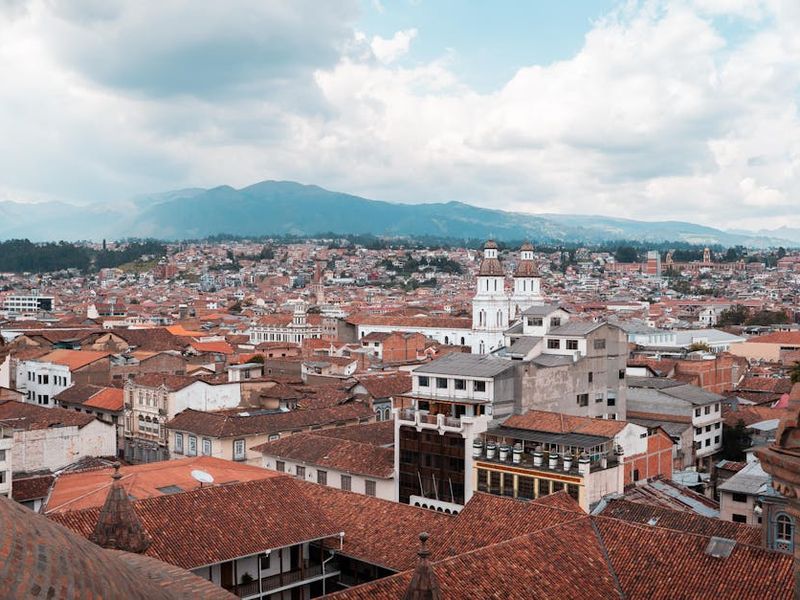
Cuenca’s compact historic center, dramatic river valleys and surrounding Andean landscapes make it a wonderfully walkable city — but knowing the public transport options can turn a good stay into a great one. Whether you’re an expat settling in or a traveler passing through, this guide breaks down buses, intercity coaches, taxis, shared vans and bike options with practical tips, common routes and local know-how.
Overview of Modes: What You’ll Find on the Streets
Cuenca’s transport mix is straightforward: municipal and private buses roam the city; interprovincial coaches connect to other cities and towns; colectivos and shared vans serve nearby villages; an active taxi scene covers short hops; and many residents rely on walking or cycling for short distances. Each mode has strengths depending on budget, comfort and time.
City Buses
City buses are the backbone of daily travel for many locals. Routes crisscross the city from neighborhood to neighborhood, usually displaying the destination on the front. Buses tend to be frequent on main corridors and less so on residential stretches, and they are a cost-effective way to get around — particularly if you have time and patience.
Interprovincial Buses (Terminal Terrestre)
Cuenca’s main intercity hub is the Terminal Terrestre (the bus terminal). From there you can catch coaches to Guayaquil, Quito, Loja and smaller towns like Gualaceo and Paute. Services range from basic shared-coach setups to more comfortable executive buses. For longer trips, the terminal is the place to compare schedules and prices.
Colectivos and Shared Vans
For nearby destinations and market runs, colectivos (shared taxis or vans) are common. They follow popular routes to places where big buses either don’t go or run infrequently. Colectivos are useful for smaller mountain towns, artisan villages, and for times outside the main bus schedule.
Taxis and App-Based Rides
Taxis are abundant and relatively affordable for short trips. You’ll find official yellow taxis and locally-run radio taxis. Some international ride-hailing apps have had a presence in Ecuador, but availability can vary by city and legal status — always check the current situation upon arrival. If you prefer not to hail on the street late at night, your hotel or a local restaurant can call a reputable cab for you.
Useful Stops and Landmarks to Know
Knowing a few key places makes navigating Cuenca much easier. These are frequently used as reference points by drivers, bus signs and locals:
- Parque Calderón — the heart of the historic center and a helpful central meeting point
- Terminal Terrestre — the main intercity bus station for regional travel
- Mariscal Lamar Airport — the city’s airport for short domestic flights
- El Centro Histórico and the Tomebamba River — easy walking and common bus termini
- Major markets and plazas — often served by multiple bus and colectivo routes
Practical Tips: Riding City Buses
City buses are economical and a good way to get a feel for Cuenca’s neighborhoods — here’s how to ride like a local.
- Look for the destination sign: Most buses show their end point on the windshield or a side placard. If in doubt, ask the driver or a passenger before you board.
- Pay with small bills or coins: Drivers typically accept cash only, and they may not have change for large bills. Keep smaller denominations handy.
- Flagging and boarding: At busy stops, buses may only stop if someone signals. Stand clearly at a marked stop or wave the driver down if there isn’t a formal shelter.
- Plan for rush hour: Peak times (weekday mornings and late afternoons) are crowded. If you travel with luggage or want a seat, avoid those windows.
- Watch your belongings: Pickpockets occasionally target packed buses. Keep bags zipped and in front of you, and avoid showing large sums of cash.
How to Use the Terminal Terrestre for Intercity Travel
The Terminal Terrestre is a bustling, practical place for booking longer trips. Here’s what to expect when departing Cuenca for other parts of Ecuador.
- Multiple companies: Different cooperatives and private companies serve each route. Prices and comfort levels vary — higher-end buses may include onboard toilets and more legroom.
- Buy in advance for holidays: During national holidays and high season, tickets can sell out. For weekend escapes and popular routes, buy earlier in the day or reserve by phone/online if possible.
- Check travel times: Distances in Ecuador’s mountains mean travel times can be longer than expected. For example, coastal cities and Quito can take several hours across winding roads — allow extra time if you have connecting flights.
- Facilities: Terminals usually have food stalls, basic shops and luggage storage at a small fee.
Airport Transfers: Mariscal Lamar
Cuenca’s airport (Mariscal Lamar) sits close to the city but limited runway length restricts aircraft size. Flights are usually domestic and smaller airports mean quick arrivals and departures.
- Options to downtown: Airport taxis are available outside arrivals; agree on a price before getting in if the meter isn’t used. Some hotels provide transfers — worth asking in advance.
- Time to city center: The ride to the historic center is often short, but traffic and narrow roads can add time during peak windows.
Colectivos, Day Trips and Rural Routes
If you want to visit natural areas and artisan towns, colectivos and rural buses are the most common, flexible options.
- Day trips to Cajas or Gualaceo: Shared vans and minibuses head to Cajas National Park, craft towns like Gualaceo and Chordeleg, and rural markets. These are often organized from the terminal or near central plazas.
- Ask locally for schedules: Rural routes sometimes run on demand rather than on a strict timetable. Hotel staff, market sellers and bus drivers can be the best sources of real-time info.
- Expect basic comforts: Smaller vehicles may not have air conditioning or toilets. Bring water, snacks and sun protection for longer rides.
Taxis, Safety and Haggling
Taxis are a convenient fallback when you need direct, door-to-door transport — and there are ways to keep the experience comfortable and secure.
- Use official taxis: Official taxis are normally painted and carry licensing details. If uncertain, ask your hotel to call a recommended cab.
- Agree on a fare or use the meter: Some taxis have meters; others prefer a negotiated price. If the meter is off or absent, agree on the fare before taking off.
- Night travel: For late-night trips, use radio or hotel-arranged taxis rather than hailing on the street, especially if you’re alone.
Walking and Biking: The Most Pleasant Options
Cuenca’s historic center is compact, scenic and largely pedestrian-friendly. Walking is often the fastest and most enjoyable way to explore narrow streets, plazas and riverfront promenades.
- Biking: Many expats and locals bike for errands and short commutes. Some streets have bike lanes and there are rental shops offering hourly or daily bikes. Be mindful of cobblestones, steep sections and local driving behavior.
- Comfortable shoes: Historic areas feature cobblestone streets; good footwear makes a major difference.
Accessibility and Special Needs
Public transport accessibility varies. Some modern buses and coaches have ramps or low floors, but many older buses do not. If you have mobility issues, the most reliable options are private taxis, hotel/shuttle services or pre-arranged accessible transportation.
Practical Technology: Apps, Maps, and Local Info
Apps can help, but local knowledge still rules in Cuenca. Google Maps is useful for walking and driving directions; offline maps (Maps.me) are handy if you limit mobile data. For bus routes, local websites, hotel staff and residents can point to the best lines and transfer points.
- Sim card and data: A local SIM with data makes it easy to check routes, call taxis and translate signs on the go.
- Language: Knowledge of basic Spanish phrases helps a lot — drivers and passengers will appreciate a quick “¿Va a X?” to check if the bus goes where you need.
Money-Saving Strategies
Public transport in Cuenca is budget-friendly. To save even more:
- Use buses for routine travel instead of taxis for short commutes.
- Share rides or take colectivos to nearby towns.
- Ask about bulk ticket options or multi-trip discounts if you plan frequent intercity travel.
Common Mistakes to Avoid
Newcomers often make a few predictable errors. Avoid these to keep travel smooth:
- Relying only on signs: Bus listings can be inconsistent — double check with the driver or fellow passengers.
- Showing big bills: Carry change; drivers may not have small notes.
- Assuming app availability: Ride-hailing services and online ticketing are improving, but aren’t always reliable for every route.
Sample Itineraries
To give concrete examples, here are a few common journeys and how locals often handle them.
- Airport to Centro Histórico: Take an official airport taxi or prearranged hotel transfer for convenience. It’s a short drive but navigating luggage on local buses is not ideal.
- Parque Calderón to Terminal Terrestre: A direct city bus or short taxi can take you to the intercity terminal if you’re carrying large bags or leaving early.
- Day trip to Cajas National Park: Join a tour that includes transport or ask at the terminal about shared vans heading to the park. Expect an early departure and variable road conditions.
Final Advice for Newcomers
Cuenca is friendly to newcomers who take time to learn its rhythms. Walk a lot to get the lay of the land, keep small bills for buses, ask locals for route tips, and don’t be shy about confirming destinations with drivers before boarding. With a little local savvy, you’ll navigate Cuenca’s streets efficiently, economically and with a lot more confidence.
Where to Find Live Help
If you’re ever uncertain, here are reliable places to ask questions:
- Your hotel or host — they can call taxis and recommend routes.
- Tourist information booths around Parque Calderón or the terminal.
- Local expat groups and community forums — great sources for up-to-date tips and ride-sharing opportunities.
With these tools and tips, moving around Cuenca becomes less about logistics and more about enjoying the city — from quiet river walks to quick market runs and scenic mountain escapes.