
Table of Contents
Why understanding Cuenca’s transport matters
Cuenca is one of Ecuador’s most walkable cities, but to live here comfortably you’ll need to master a handful of local transport options. Whether you’re an expat settling in, a long‑term traveler, or visiting for a few weeks, knowing how buses, the tram, taxis and regional coaches work will save time and money — and keep you moving like a local.
Quick overview of options
Cuenca’s public and private transport falls into a few clear categories:
- Urban buses (city routes and smaller busetas)
- The Tranvía (light rail/tram serving main corridors)
- Taxis (street‑hail, radio taxis and app services)
- Interprovincial buses from the main terminal for travel outside Cuenca
- Airport shuttles and taxis to Mariscal Lamar Airport
Each has different strengths: buses and tram are cheap and dense; taxis are flexible and convenient for evenings or heavy luggage; intercity coaches are comfortable for medium/long trips.
City buses — routes, etiquette and practical tips
What the buses are like
Cuenca’s urban network is composed of full‑size buses and smaller mini‑buses (often called busetas). They run routes that snake across neighborhoods, link the historic center with residential areas, and reach peripheral markets. Buses are frequent on main arteries and less frequent late at night or on secondary streets.
How to ride
- Flag the bus down at a stop or on the street. Buses generally stop anywhere safe along their route.
- Pay on boarding — many drivers accept cash (exact change preferred). Some lines and the tram have electronic payment or recharge kiosks at stations.
- Keep smaller bills and coins handy. Drivers may not give change for large bills.
- Tap or show your ticket when requested; on busy routes be ready to squeeze in and move toward the back so others can board.
Fares and passes
City fares are inexpensive compared with many countries. Prices can change, so treat any figure you read as a guideline — expect a modest fee for a single ride. Some services offer rechargeable cards or monthly passes, which are handy if you commute. Recharge points are commonly found at busy stops, small kiosks and near major markets or tram stations.
The Tranvía — fast, comfortable and tourist friendly
What it covers
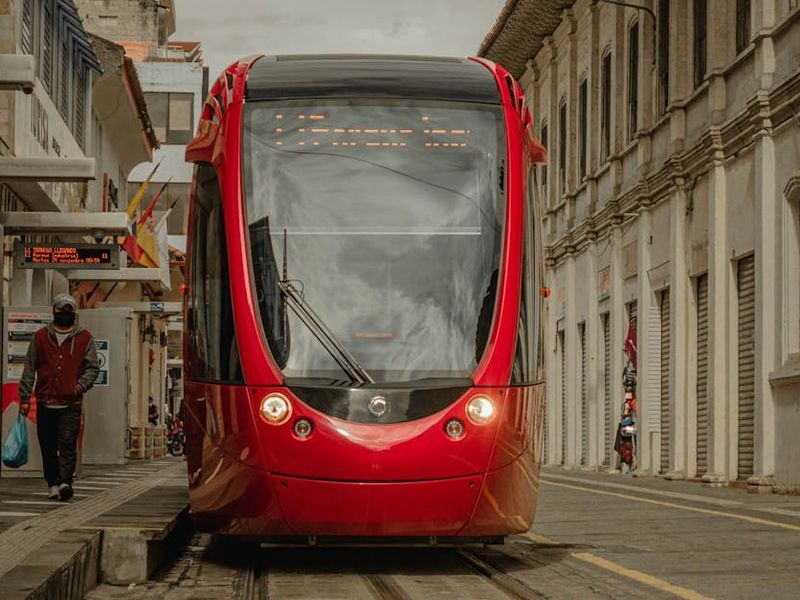
The Tranvía is Cuenca’s light rail line servicing major plazas and transit corridors. It’s a great option for avoiding traffic during peak hours and is more predictable than bus routes. Tram stations are easy to spot and are located near the historic center, shopping areas and transfer points.
Ticketing and boarding
The tram uses a formal station system: purchase a single‑ride ticket or use a rechargeable card at station kiosks. Tickets typically include a time‑stamped validation, which can be useful when transferring. Stations are accessible, have level boarding and clear signage in Spanish; some staff and automated displays provide route and schedule information.
Best times to use it
The Tranvía is especially useful for daily commutes and trips in the heart of the city. During tourist season and weekday rush hours it can be crowded, so travel a little earlier or later if you can. It’s also a comfortable choice on rainy days.
Taxis: street, radio and apps
Types of taxis
Taxis are plentiful in Cuenca. You’ll find three main varieties:
- Street‑hail taxis that you wave down. These are easy to find but always confirm the price or meter use before you start.
- Radio taxis — call a reputable company for a safer, tracked pickup; useful late at night.
- App‑based services — rideshare apps operate intermittently in Ecuador; they can be convenient but local rules and availability vary. If you use one, confirm the vehicle and driver details before entering.
Tips for safe taxi use
- Always confirm whether the driver will use the meter. If they won’t, agree a price in advance.
- Use radio taxis for night travel or when you’re unfamiliar with the area.
- Keep small change. Credit card acceptance in taxis is rare, though some airport shuttles or private services may accept cards.
- For extra peace of mind, share the plate number and route with a friend or family member when traveling late.
Interprovincial buses and the Terminal Terrestre
Which buses go where
Cuenca’s main bus terminal handles longer trips to Quito, Guayaquil, Loja, and smaller towns across Azuay and neighboring provinces. These coaches vary in comfort — many have reclining seats, onboard bathrooms, and luggage bays. Routes to highland destinations may have winding roads, so travel time accounts for elevation changes and stops.
Buying tickets and luggage tips
It’s worth purchasing tickets in advance during holidays and long weekends. You can usually buy tickets at the terminal, through ticket offices in town, or online from cooperative websites. Label your luggage and keep valuables with you in the cabin. Arrive at the terminal at least 20–30 minutes before departure to load luggage and find your bus.
Airport access — Mariscal Lamar and practicalities
Getting to and from the airport
Cuenca’s airport sits a short drive from downtown. Taxi and private shuttle services provide the most straightforward transfers. There are also minibuses and shared shuttles during busy periods. Travel time depends on traffic and route; leave extra time in the morning for flights just as you would in any city.
Tips for flights
- Confirm transfer pricing with your driver or service ahead of time, especially for early morning flights.
- Allow extra time for city traffic and for the slowest part of airport checkpoints.
- If arriving late, book a hotel near the city center or arrange a scheduled pick‑up to avoid standing in the dark waiting for a taxi.
Planning trips: apps, maps and local resources
Which tools help most
Digital tools can simplify navigation, but local resources remain invaluable. Google Maps covers many routes but can be incomplete for bus lines in Cuenca. Try combining several sources:
- Transit apps like Moovit or local municipal apps often include bus and tram schedules.
- City maps available at tourism kiosks or municipal websites show main corridors and transfer points.
- Ask at your local market, hostel or neighbor for the best routes — many drivers and vendors know time‑saving shortcuts.
How to read a bus route
Look for a list of destinations on the front or side of buses; routes often include terminal points rather than every street. If you’re unsure, ask the driver or fellow passengers “¿Va para…?” (Are you going to…?) — most locals are happy to confirm. Learn a few key neighborhood names (e.g., the historic center, main markets, or major plazas) to make asking for directions easier.
Safety, accessibility and comfort
Safety tips
Cuenca is generally safe compared with larger cities, but pickpocketing can occur on crowded buses and at tourist spots. Keep your bag in front of you, shield phones and wallets, and avoid displaying large sums of cash. Use common‑sense nighttime precautions: prefer radio taxis, stay in well‑lit areas, and travel in pairs if possible.
Accessibility
Newer tram stations and some modern buses have ramps or level boarding for wheelchairs and strollers, but older busetas may not. If accessibility is a priority, favor the Tranvía or ask at stops for low‑floor buses. Many driver/operators are willing to help with boarding and luggage if you ask politely.
Money matters and local habits
Carry small bills and coins — many drivers and small kiosks lack change. The city uses the U.S. dollar, which simplifies currency conversion for visitors from North America. Pay attention to hours: many bus ticket offices and recharge kiosks close earlier than shops, so recharge your card or buy tickets during the day if you anticipate evening travel.
Insider tips for expats and long‑term residents
- Try different routes during off‑peak times to discover quieter, faster options — sometimes an extra block of walking avoids a long, winding bus route.
- If you’ll be commuting regularly, investigate monthly passes or rechargeable cards; the savings and time are worth it.
- Learn basic Spanish transit phrases (e.g., ¿Me baja aquí? — can you let me off here?) to make rides easier.
- Use a combination of walking and transit to stay active and save money — many neighborhoods are pleasant and safe for walking.
- Pack a small umbrella or rain jacket — afternoons can surprise you with showers, and waiting under shelter is rare at smaller stops.
Common questions and quick answers
Can I rely on public transport at night?
Public buses are less frequent after dark. For late returns, taxis or scheduled shuttles are safer and more reliable.
Are routes easy for tourists to decode?
Yes. Major lines and the tram serve tourist hubs. For neighborhood trips, ask locals or hostel staff; they’ll give accurate, current guidance.
Final thoughts: combining options for the best results
Cuenca’s transit network rewards a flexible approach. Use the Tranvía for predictable, comfortable travel along busy corridors; take buses for budget trips into residential neighborhoods; grab a taxi when you’re in a hurry or carrying heavy bags. Invest a little time learning local patterns and you’ll be able to get around efficiently and comfortably — often more quickly than relying on a single mode of transport.
Keep these tips at hand, update yourself on fares and schedules periodically, and don’t hesitate to ask friendly locals when in doubt — Cuencanos are used to helping visitors navigate their beautiful city.