
Table of Contents
Why your neighborhood choice in Cuenca matters
Cuenca’s compact size and varied neighborhoods mean your choice of where to live will shape daily life more than it might in larger North American or European cities. One area might put you a five-minute walk from museums, restaurants, and pulsating markets; another might offer peaceful nights, views of the valley, and easy access to green space. This guide breaks down the most popular options for expats, practical trade-offs, and tips for settling in comfortably.
Quick primer: what expats value in Cuenca neighborhoods
Before we dive into neighborhoods, here are the recurring priorities for newcomers:
- Walkability to shops, pharmacies, and restaurants
- Proximity to good healthcare (Cuenca has reputable public and private hospitals)
- Safety and a quiet evening atmosphere
- Reliable utilities and internet
- Access to green spaces and pleasant walking routes along the Tomebamba and Yanuncay rivers
- Budget: from shoestring to more upscale living
Keep these in mind as you read the neighborhood profiles below.
Centro Histórico (Historic Center) — For people who love being in the middle of everything
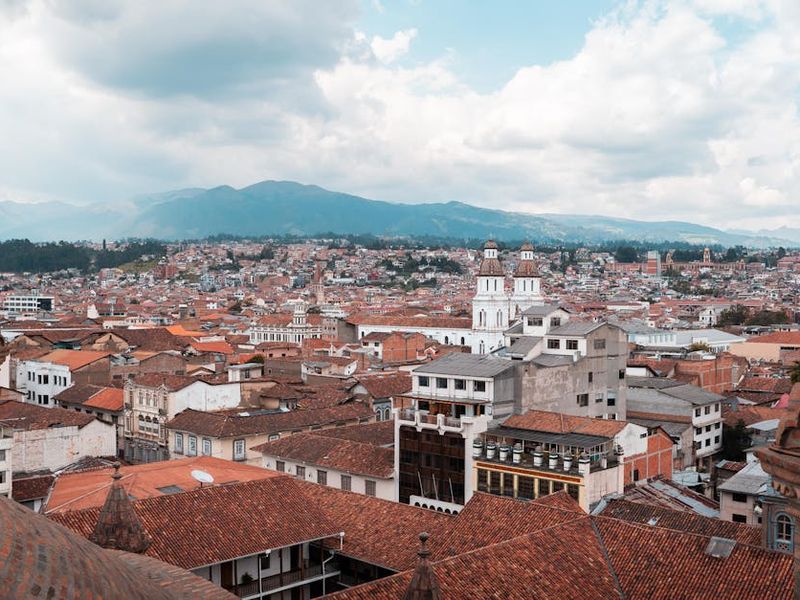
The Centro Histórico — anchored by Parque Calderón and the twin-dome New Cathedral — is the beating heart of Cuenca. Cobblestone streets, colonial balconies, museums, and a huge variety of restaurants make it an irresistible option for expats who want culture and convenience at their doorstep.
Why expats choose it: If you want to walk everywhere, enjoy weekly artisan markets, and live within minutes of galleries and cafés, Centro suits you. Many residents appreciate short taxi rides to doctors’ offices and government services.
Considerations: Noise and church bells are part of daily life here. Apartments in restored colonial buildings are charming but sometimes have higher ceilings, fewer modern conveniences, and can be chilly in winter months (layers and hot water systems are important). Parking is limited, so if you plan to have a car, weigh that in.
San Sebastián and the Museum Corridor — Classic, artsy, slightly quieter
Just uphill and northeast of the Parque Calderón, San Sebastián is a graceful extension of the historic center. The neighborhood hosts museums, art-focused businesses, and quiet plazas. It’s popular with retirees and professionals who want the historic feel with a little more calm.
Practical perks: Closer to municipal parks and some long-established bakeries and boutique shops. You’ll find a mix of renovated apartments and family homes.
Practical tip: If you like morning walks, the San Sebastián side of the Tomebamba river offers attractive promenades with fewer tourists than the very center.
Bellavista and El Vergel — Hillside views and leafy streets
Hillside neighborhoods like Bellavista and El Vergel (south and southeast of the center) appeal to expats who want views, quieter streets, and a mix of newer construction and older homes. Expect narrow roads, charming gardens, and a more residential rhythm compared with the Centro.
Why they work for families and retirees: Properties often offer more space and modest yards. Local bodegas (corner stores), small cafes, and mid-sized supermarkets are within walking distance in many sections.
Considerations: Hills mean more stairs and steeper walks; for mobility-challenged residents, this can be a factor. Taxis are inexpensive, but if you walk a lot, check the route between your home and key destinations.
Ricaurte and modern residential zones — Convenience and newer construction
Ricaurte and adjacent modern neighborhoods provide newer apartment complexes, parking, and proximity to larger supermarket chains and shopping. These areas tend to be more car-friendly and have wider streets than the Centro’s historic lanes.
Why some expats prefer them: Many buildings include secure parking, elevators, and in-unit laundry. Grocery shopping at chains like Supermaxi or Tía is easier from these zones, and some have fitness centers or communal roof terraces.
Considerations: Less of the colonial charm; you’ll trade historic architecture for contemporary comfort.
Near the rivers: Pumapungo / Tomebamba walks — Scenic and convenient
Neighborhoods near the Tomebamba or Yanuncay rivers give you access to scenic riverside promenades and quick walks to museums such as Pumapungo. These streets can offer the best of both worlds: easy access to downtown while being slightly removed from crowded tourist hubs.
Tips for renters: Look for apartments with windows facing the river for natural light and pleasant views. During rainy months the riverbanks are lively with local walking and cycling activity.
Student and university areas — Lively, affordable, and youthful
The neighborhoods around the Universidad de Cuenca attract students and young professionals. You’ll find economical rentals, vibrant cafés, and a youthful energy. If you enjoy student-run cultural events, live music, and a more bohemian vibe, this could be an excellent fit.
Keep in mind: These streets can be noisier in the evenings and have shorter-term rental turnover. If you prefer quiet evenings, schedule apartment visits at different times of day before committing.
Suburbs and gated communities — Quiet living on the edges
If space, privacy, and a quieter pace are priorities, look to suburban neighborhoods and gated communities on Cuenca’s outskirts. These areas often include single-family homes, small gardens, and modern amenities geared toward long-term residents.
Why expats choose suburbs: Larger houses, private parking, and often better road access if you plan to travel frequently by car. Schools and international offerings are sometimes easier to reach from suburban locations.
Downsides: A longer commute to the Centro, and fewer walkable restaurants. Ensure reliable access to public transportation or consider how comfortable you are with daily taxi or car use.
Costs to expect: rent, utilities, and extras
Cuenca is generally more affordable than North American and many European cities, but prices vary by neighborhood and building condition. As of recent market trends, typical ranges are:
- Small one-bedroom apartments in the Centro or student areas: $250–$600/month
- One- to two-bedroom apartments in more modern neighborhoods or with nicer finishes: $400–$900/month
- Larger houses or upscale apartments in hillsides or gated communities: $800–$2,000+/month
Utilities (electricity, water, gas) tend to be reasonable; internet packages with decent speeds are widely available. If a rental lacks hot water or heating infrastructure, adding or maintaining gas heaters and water heaters may be your responsibility—inspect these systems before signing a lease.
Safety, healthcare, and essential services
Cuenca is considered one of Ecuador’s safest major cities, but common-sense safety practices still apply: lock doors, avoid poorly lit streets at night, and use registered taxis or ride-hail apps when possible. Neighborhood watch groups and local police presence vary by area.
Healthcare is a major plus for the city. Two names expats often reference are Hospital Vicente Corral Moscoso (the large public hospital) and the IESS hospitals serving insured workers and residents. There are also private clinics and specialists. Living near central neighborhoods shortens travel time to emergency and specialist care.
Transportation: walking, buses, taxis, and driving
Cuenca is extremely walkable in central neighborhoods. For longer trips, an efficient public bus network serves most parts of the city. Taxis are plentiful and inexpensive for short hops. Ride-hailing services also operate and can be handy for late-night travel or if you don’t speak Spanish well.
If you plan to drive, research parking availability and narrow street navigation, especially in the Centro. Consider a compact car for hilly neighborhoods and tighter roads.
How to search and what to inspect during viewings
Start house-hunting by joining local Facebook groups and expat forums to get current listings and reliable agent recommendations. Popular local agencies and private landlords will often ask for a one- to two-month security deposit and a signed lease.
At viewings, check these specifics:
- Water pressure and hot water source (tank vs instant systems)
- Internet speed and availability—ask for a speed test if possible
- Noise levels at different times (morning, afternoon, night)
- Proximity to supermarkets, pharmacies, healthcare, and public transport
- Security features: doorman, gates, intercoms, or secure parking
- Natural light and ventilation—Cuenca’s high altitude means bright, cool days but chilly nights
Legal and practical tips for long-term planning
Foreigners can own property in Ecuador, and buy/sell processes are similar to those for citizens. Work with a local lawyer or reputable real estate agent when considering a purchase. If renting, read leases carefully; some include utilities, others don’t.
Budget for moving and setup costs, such as deposits, furniture if renting an unfurnished place, and local registration for services. Learn a few Spanish phrases to ease negotiations—landlords and property managers appreciate effort, and it will often speed up paperwork.
Choosing a neighborhood based on lifestyle
Make your choice by prioritizing what matters most. Here are three quick scenarios to match you with neighborhoods:
- Culture lover and walker: Centro Histórico or San Sebastián; you’ll be steps from museums and restaurants.
- Family or gardener: Bellavista, El Vergel, or suburban gated communities for space and quieter streets.
- Convenience and modern comforts: Ricaurte or newer residential zones with supermarkets and parking.
Final steps: visit, test, and trust your impressions
Before signing a lease, spend a few days living like a local in the neighborhood you’re considering. Visit at breakfast, during the afternoon, and at night; notice traffic flow, noise, and how shops operate. Talk to neighbors and shopkeepers—firsthand impressions are invaluable.
Moving to Cuenca can be one of the most rewarding expat experiences thanks to its climate, cultural life, and manageable size. With a clear sense of priorities, you can find a neighborhood that fits your budget and lifestyle—whether that’s a lively historic apartment by Parque Calderón or a serene home with valley views.
Quick checklist for your neighborhood search
- List must-haves (parking, number of bedrooms, proximity to healthcare/schools)
- Set a firm monthly housing budget including utilities
- Visit neighborhoods at different times of day
- Inspect hot water, internet, and security during viewings
- Ask locals and expats for agent recommendations and current pricing
With this guide, you’ll be better equipped to match your lifestyle to the neighborhood that makes Cuenca feel like home. Buenas suerte—good luck—and welcome to one of Ecuador’s most charming cities.