
Table of Contents
Why Cuenca Is the Smartest Choice for Dental Tourism
Thinking about dental implants, crowns, or veneers but put off by the cost and long waits back home? Cuenca, Ecuador is rapidly becoming the go-to destination for dental tourism — and for good reason. Here you’ll find dramatic savings (often 60–70% less than prices in the US and Canada), dentists trained to high international standards, cutting-edge clinics, fast scheduling, personalized one-on-one care, and a restorative travel destination that makes recovery feel like a vacation.
Massive Cost Savings Without Compromising Quality
One of the most compelling reasons people choose Cuenca for dental work is the price. Because Ecuador uses the US dollar, pricing is transparent and simple to compare. Typical savings are in the 60–70% range for common procedures:
- Dental implants: Many clinics in Cuenca offer implant placement and restoration for a fraction of North American prices — commonly in the $800–$1,500 range per implant, compared to $3,000–$5,000 in the US/Canada.
- Crowns: Full ceramic crowns often cost $200–$400 in Cuenca versus $800–$1,200 at home.
- Veneers: Porcelain veneers can fall in the $250–$600 range per tooth instead of $1,000–$2,000.
Those savings add up quickly. For a full-arch restoration or multiple implants, traveling to Cuenca can translate into tens of thousands of dollars saved — enough to cover flights, boutique hotels, guided tours, and several extra nights for recovery.
World-Class Dentists Educated at Top Institutions
Cuenca’s dental professionals are highly trained. Many dentists graduate from respected Ecuadorian dental schools and pursue postgraduate training and international certifications. It’s common to find clinicians who have completed continuing education in the US, Europe, or other top dental centers. They are skilled in implantology, cosmetic dentistry, and advanced restorative protocols.
Most reputable clinics in Cuenca are staffed by teams that include periodontists, prosthodontists, endodontists, and oral surgeons, allowing for comprehensive, coordinated care under one roof. That multidisciplinary approach means more predictable outcomes and fewer referrals to outside offices.
Modern Clinics Equipped with Cutting-Edge Technology
Far from the outdated dental offices some travelers fear, many Cuenca clinics have invested in modern equipment: digital X-rays, CBCT 3D imaging, intraoral scanners, CAD/CAM milling systems, and 3D printers. These tools allow for precise diagnosis, same-day digital impressions, and quick production of restorations like crowns and temporary prostheses.
Strict sterilization protocols, onsite laboratories with master ceramists, and options for sedation dentistry round out the clinical experience. In short, you’ll receive high-quality technical care in facilities that rival private practices in major cities worldwide.
Short Wait Times and Efficient Treatment Plans
One of the hidden costs of dental procedures in many countries is time. In Cuenca you’ll frequently find much faster scheduling — consultations and procedures can often be arranged within days, not months. Clinics cater to international patients and design efficient timelines that compress what would normally be a drawn-out process without sacrificing clinical prudence.
Many restorative plans are organized across two short visits: an initial trip for planning, extractions and implant placement or digital impressions, followed by a return visit for final restorations. Some clinics also offer immediate loading protocols (same-day temporary crowns on implants) when clinically appropriate.
Heal in a Beautiful, Relaxing Environment
Cuenca isn’t just a place to get excellent dental work — it’s an idyllic setting to recover. Located in the southern highlands at about 2,560 meters (8,400 feet), the city enjoys a spring-like climate year-round. The historic center is a UNESCO World Heritage site filled with tree-lined plazas, colonial architecture, and calm cafes that make low-intensity recovery pleasant and peaceful.
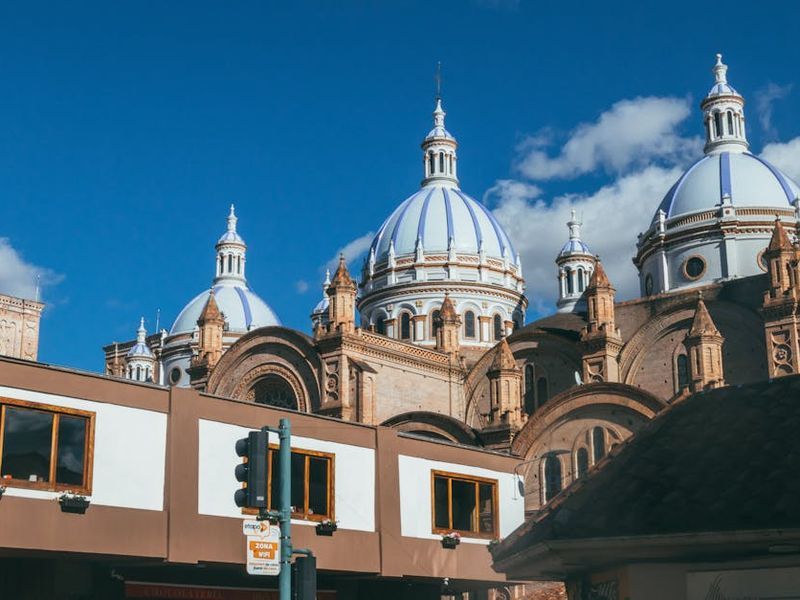
Imagine resting after surgery in a boutique hotel steps from the Tomebamba River, taking gentle strolls along riverside walkways, or spending quiet afternoons in Parque Calderón under the cathedral spires. Nearby attractions like El Cajas National Park and thermal baths offer soothing day trips (with your dentist’s okay) while you wait for healing milestones.
Combine Treatment with a Memorable Vacation
Dental tourism in Cuenca is designed around the idea of dental vacation — a blend of necessary medical work and restorative travel. While following post-operative instructions, you can enjoy low-impact activities such as:
- Exploring the colonial streets and artisan markets to shop for Panama-style hats and local ceramics.
- Sipping coffee at riverfront cafés and sampling Ecuadorian cuisine in family-run restaurants.
- Visiting museums like Pumapungo and the new cathedral, or attending cultural events in the evenings.
- Taking easy day trips to Cajas for short hikes, or to nearby hot springs for gentle relaxation.
These gentle activities promote relaxation, reduce stress, and contribute positively to healing — much better than resting in a clinical hotel corridor.
Personalized, One-on-One Care
One hallmark of Cuenca dental clinics is the level of personal attention you receive. Practices catering to international patients typically assign a case coordinator who manages scheduling, language assistance, and logistics. During treatment, you’ll interact directly with your dentist, not just a dental assistant. That one-on-one focus ensures clear communication, tailored treatment plans, and hands-on post-op care.
Many clinics provide post-procedure check-ins by phone or video, and some offer follow-up care packages that include a return visit or coordination with dentists in your home country if needed.
Practical Planning: How to Arrange Your Dental Vacation
Planning a dental vacation to Cuenca doesn’t have to be complicated. Here’s a practical checklist to streamline the process:
- Gather records: bring recent X-rays, dental histories, and lists of medications to your initial consultation.
- Request a treatment plan: ask for a written plan, itemized costs, and a timeline for each stage of treatment.
- Ask about technology and materials: confirm the use of CBCT for implants, ceramic versus metal restorations, and implant brands.
- Verify credentials: check dentist education, postgraduate training, and ask for before-and-after photos of similar cases.
- Schedule buffer days: give yourself extra days for travel delays and healing; many patients plan a week for crowns/veneers and 7–10 days for implant surgery visits.
- Check visa and travel logistics: most nationalities can stay in Ecuador visa-free for up to 90 days; Cuenca’s Mariscal La Mar (CUE) airport connects via Quito and Guayaquil.
Typical Treatment Timelines
Understanding timelines helps you optimize your dental vacation:
- Implants: For traditional implants, the workflow often involves an initial visit for consultation and implant placement, then a healing period of 3–6 months before final crowns. Many clinics offer temporary restorations so you can leave with function and aesthetics, returning later for final prostheses.
- Immediate-load implants: Some cases allow same-day loading where a provisional crown is attached at surgery — perfect for single-tooth replacements and select candidates.
- Crowns and veneers: These frequently require 1–2 visits spread over 1–2 weeks (digital impressions and provisional restorations on day one, final seating on visit two). The fast turnaround in Cuenca clinics means you’ll often need only a single one-week trip for cosmetic work.
Where to Stay and How to Get Around
Cuenca offers a wide range of accommodations that suit dental travelers: boutique hotels in the historic center for quiet recovery, modern hotels near major clinics, and comfortable Airbnbs with kitchens for low-salt, soft-food recovery meals. Many clinics can arrange airport transfers from Cuenca’s Mariscal La Mar airport and provide local transportation between your hotel and appointments.
Because Cuenca’s center is compact and walkable, taxis and ride apps are inexpensive, and English-speaking staff are common in the service industry due to the large expat community.
Safety, Languages, and the Expat Community
Cuenca is considered safe and welcoming for medical tourists. The city has a sizeable expatriate population from North America and Europe, which has encouraged English proficiency among healthcare staff and service providers. Many dental offices have bilingual coordinators who speak English and Spanish to eliminate language barriers and ensure you fully understand treatment details and aftercare.
Follow-Up Care and Long-Term Value
Long-term value is not just about upfront savings — it’s about predictable, durable outcomes. Many Cuenca clinics use premium materials and proven implant systems that come with manufacturer warranties. Plus, dentists often provide detailed aftercare instructions and telemedicine checkups to monitor healing once you return home.
If additional adjustments are needed down the road, the savings you gained initially may still make revisiting Cuenca for follow-up treatment cost-effective. Some patients even choose to maintain long-term dental relationships with their Cuenca providers because of the consistent quality and value.
Red Flags and How to Avoid Them
As with any international healthcare decision, exercise due diligence. Red flags to avoid include clinics that pressure you into immediate payment without a clear treatment plan, offices that refuse to show credentials or before/after case photos, and quotes that seem unrealistically low compared to market prices.
Ask specific questions: What implant brand will be used? Will a CBCT be taken? Who will perform anesthesia? Is the crown made onsite by a ceramist or outsourced? Reliable clinics will welcome these questions and provide transparent answers.
Real Patients, Real Savings, Real Freedom
Countless patients have chosen Cuenca for major dental work and returned home with not only restored smiles but also memorable travel experiences. The combination of massive cost savings, top-level clinical skill, modern technology, short wait times, and a sublime environment for recovery makes Cuenca uniquely suited to dental tourism.
If you’re weighing dental treatment options, consider a dental vacation in Cuenca. With careful planning, you can transform a necessary medical expense into an opportunity to save money, regain your smile, and enjoy one of South America’s most charming colonial cities.
Quick Checklist Before You Book
- Collect dental records and forward them to your chosen clinic for a pre-visit assessment.
- Confirm the total cost with an itemized quote and understand what’s included (anesthesia, lab fees, temporary restorations, follow-ups).
- Book extra recovery days and research relaxing, low-impact activities in Cuenca.
- Verify airport logistics (Mariscal La Mar, code CUE) and available transfers — many international flights connect through Quito or Guayaquil.
- Pack a small recovery kit: soft foods, saline rinses, any prescribed medications, comfortable clothing, and a printed copy of your treatment plan.
Final Thoughts
Cuenca offers a rare mix of excellent dentistry and genuine travel value. Whether you need a single crown, full-mouth implants, or cosmetic veneers, the city provides an option many patients find impossible to ignore: top-tier dental care combined with dramatic savings and an unforgettable healing vacation. For anyone looking to invest wisely in their smile, Cuenca deserves serious consideration as the world’s best destination for dental tourism.