
Table of Contents
Why this guide — and who it’s for
Cuenca’s compact colonial center, surrounding neighborhoods and growing suburbs make it one of Ecuador’s most walkable cities — but many residents and visitors rely on public transit every day. This guide breaks down how to use the Tranvía (light rail), city buses, interprovincial coaches, taxis and bicycles, with practical tips for expats, long-term visitors and travelers who want to move around Cuenca confidently and affordably.
Quick overview: the transit mix in Cuenca
Cuenca’s transport ecosystem is a mix of modern and traditional: a light rail line that links major hubs, a dense network of urban buses and shared vans, private and radio taxis, and regional bus services that connect Cuenca to other cities. Add walking and bike lanes in many parts of the city and you have multiple options depending on time, comfort and budget.
The Tranvía de Cuenca (light rail): the new backbone
The Tranvía is the city’s modern light rail line linking northern and southern points with stops near major centers. For many trips through the central corridor, the tram is fast, predictable and comfortable — especially during rush hour when roads can be congested. Stations are well-marked and have ticket kiosks and validators.
Buying and using tickets
Most riders use a rechargeable travel card purchased at tram stations; you load credit at kiosks or machines and tap when entering. If you prefer single trips, check station machines or staffed booths. Keep small change or a charged card ready for quick boarding.
Best uses of the Tranvía
- Commuting between commercial centers and neighborhoods along the line.
- Quick access to downtown landmarks, museums and major shopping areas.
- Reliable option during weekday peak hours.
City buses: routes, etiquette and tips
Cuenca’s city buses cover neighborhoods that the tram doesn’t reach and often run more frequently in suburban corridors. Bus stops can be informal: many lines show their destinations on the windshield or roof sign. Drivers are accustomed to being hailed from the curb.
How to board and pay
On many urban buses you pay a cash fare to the driver or a fare collector, so keep small bills and coins. On some routes you may be able to use a regional transit card; if in doubt, ask the driver. Signal the driver to stop before your destination — a gentle wave is standard — and be prepared for some crowding in peak times.
Understanding routes and schedules
Route maps are available at major stops and at the municipal transport website, but learning the key landmarks — especially Parque Calderón in the historic center — will help you recognize where to get off. Buses typically start early (around dawn) and continue until mid-to-late evening; night services are more limited.
Interprovincial buses and the Terminal Terrestre
If you’re heading outside Cuenca — to Quito, Guayaquil, Loja, or smaller towns — you’ll use one of the interprovincial bus companies operating from the city’s main bus terminal (Terminal Terrestre). The terminal is a hub for tickets, luggage handling and departures, and it’s busiest on holiday weekends and local festival days.
Buying tickets and luggage rules
Tickets can be bought at company counters in the terminal and, increasingly, online. Ask about luggage allowances and fees; interprovincial buses often include a checked luggage allowance in the ticket price but may charge for extra bags. Arrive at least 30–60 minutes before departure during busy periods.
Comfort levels and overnight trips
Coach standards vary from basic to executive services with reclining seats, onboard restrooms and multimedia. Overnight buses are common for long distances; if you prefer comfort, look for executive or VIP options and read reviews for the bus company.
Taxis and ride-hailing: safe, quick point-to-point travel
Taxis in Cuenca are plentiful and useful for short rides, trips with luggage or when you want direct door-to-door service. You’ll find conventional taxis, radio taxis (company-dispatched), and ride-hailing apps operating in many neighborhoods. Availability is high around transit hubs, the historic center and late-night hotspots.
Smart taxi etiquette and safety
- Try to use registered taxis or a radio taxi service. Hotel desks can call trusted companies for you.
- Ask the driver to use the meter. If the driver prefers a flat rate, agree on the price before you get in.
- For longer trips or airport transfers, confirm whether luggage is included in the fare.
When to use ride-hailing apps
Apps can be convenient late at night or when you’re unfamiliar with the price a trip should cost. Note that app availability and pricing can fluctuate by time of day and demand.
Airport transfers: Mariscal La Mar (CUE) to the city
Cuenca’s airport (Mariscal La Mar, CUE) sits outside the center and is well-connected by taxis, shuttle services and occasional airport buses. Plan transfers in advance if you have an early arrival or heavy luggage.
Options and planning tips
- Official taxis at the airport are convenient; confirm the fare or ensure the meter runs.
- Shared shuttles and private transfers can be booked in advance and are good value for visitors with lots of luggage or who want a guaranteed pickup.
- Public buses connect to central points but may be less convenient with bags or during odd hours.
Biking and walking: healthy, scenic choices
Cuenca’s historic center is extremely walkable, with plazas, markets, and museums a short stroll from each other. For longer, scenic trips citizens and expats often rely on bicycles. The city has been expanding bike lanes and many neighborhoods are suitable for cycling, though some steep streets require caution.
Rentals and safety
Short-term bike rentals are available near the center and parks, and e-bikes are increasingly common. Wear a helmet, follow traffic signals, and avoid busy streets during peak hours. Keep your bike locked with a sturdy U-lock if you leave it unattended.
Planning your route: apps, maps and local knowledge
Combining the tram for main corridors with buses or bikes for last-mile connections is often the fastest and cheapest approach. Use offline maps and mark key spots like your accommodation, nearby transit stops and emergency services. Locals are usually happy to offer directions — Spanish phrases below will help.
Useful phone strategies
- Keep a screenshot of the name and address of your hotel or apartment to show drivers.
- Download a map with offline capability so you’re not reliant on data when navigating streets.
- Save contacts for a couple of trusted taxi companies and your accommodation.
Costs and money-saving tips
Cuenca is generally affordable by North American and European standards, but small practices will save you money: use the tram for frequent commutes, buy a multi-ride or rechargeable card if you’ll be taking public transport regularly, and consider shared taxis or colectivo vans when traveling to nearby neighborhoods.
Practical saving ideas
- Walk or bike in the city center when possible — many attractions are close together.
- Use public transit cards if you’ll be commuting daily; they often include easier reload options.
- Buy interprovincial tickets in advance for holidays to avoid last-minute surcharges.
Accessibility, luggage and special needs
The Tranvía stations generally have ramps, level boarding and staff to assist riders. Not all buses are low-floor, so if mobility is a concern, plan your route to use accessible services when possible. For large luggage, interprovincial coaches are preferable to city buses; taxis can handle bulky items for a negotiated fee.
Tips for travelers with mobility needs
- Contact transit operators or your accommodation ahead of time for assistance during transfers.
- When in doubt, use the tram and radio or booked taxis which can provide more predictable door-to-door service.
Safety and common-sense precautions
Cuenca is considered one of Ecuador’s safer cities, but basic precautions are still wise. Keep your phone and wallet out of sight on crowded buses, avoid showing large amounts of cash, and be cautious when walking alone at night in less-trafficked areas. If you ever feel uncomfortable in a taxi, ask the driver to stop in a public place or call someone to meet you.
Everyday Spanish and transit phrases to know
Learning a few Spanish phrases makes transit smoother and shows respect for locals. Here are practical phrases to use:
- “¿Cuánto cuesta el pasaje?” — How much is the fare?
- “Al centro, por favor.” — To the center, please.
- “¿Me deja aquí, por favor?” — Could you let me off here, please?
- “¿A qué hora sale el bus a (Quito/Guayaquil)?” — What time does the bus to (Quito/Guayaquil) leave?
- “Necesito un taxi al aeropuerto.” — I need a taxi to the airport.
Sample itineraries: how to move around in a day
Here are two sample plans to illustrate how the pieces fit together.
Morning: museum-hopping and market visits
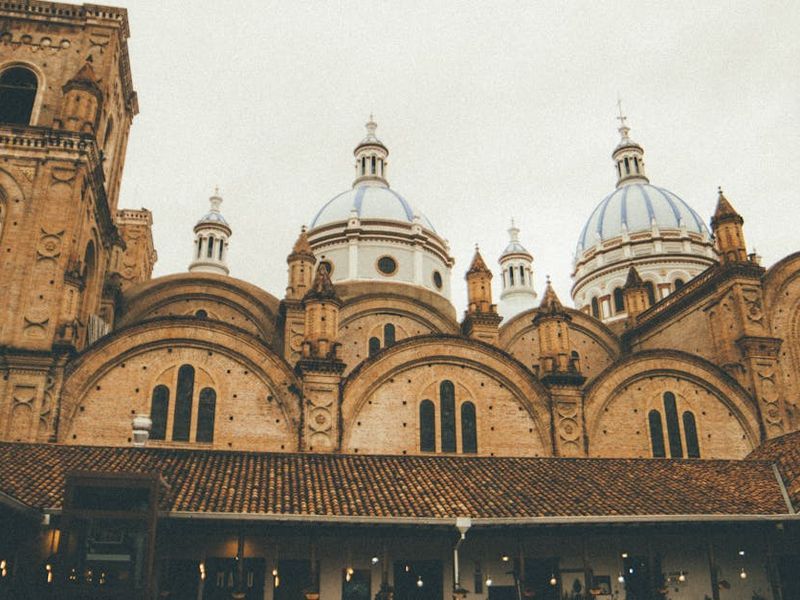
Start by walking in the historic center to take in Parque Calderón and the cathedral. Use the Tranvía to reach the Pumapungo museum or a cultural stop a few blocks away. Return by bus or on foot and stop at local markets for lunch.
Afternoon: suburb errands and neighborhood exploration
To visit a neighborhood further from the center, take a city bus toward the area you want to explore. Use a taxi for a direct return if you’re tired or carrying purchases. For an eco-friendly option, consider renting a bike and exploring riverfront paths.
Final tips and next steps
Learning Cuenca’s transit system takes a few trips, but the key is to combine the fast predictability of the Tranvía with local buses, taxis and walking for short distances. Carry small bills, save key addresses in Spanish, and choose the mode that best fits timing, comfort and budget. With a little local knowledge you’ll move around Cuenca like someone who lives here.
Safe travels — and enjoy discovering the neighborhoods, markets and plazas that make Cuenca one of Ecuador’s most charming cities.