
Table of Contents
Why Cuenca’s pace feels so different
Moving to Cuenca often feels like stepping into a gentler version of time. The city’s colonial plazas, tree-lined rivers, and mountain backdrop create a relaxed cultural tempo that visitors and newcomers call “tranquilo.” That slower rhythm can be restorative, but it also requires a mindset shift if you’re used to hustle. This article walks you through practical ways to adapt—so you can enjoy Cuenca without feeling frustrated or out of step.
Understand the cultural cues: patience, relationships and ‘mañana’
Cuencanos value relationships and a calm demeanor. People tend to prioritize social connections over strict deadlines. You’ll notice the word “mañana” pop up—not as an excuse but as a cultural shorthand for flexibility. Service can be unhurried in restaurants, municipal offices, and small shops. Accepting this as normal rather than wrong is the first big step.
Practical tip: Reframe expectations
Shift from a clock-driven mindset to a relationship-driven one. Plan extra time for appointments, avoid scheduling back-to-back commitments, and treat delays as chances to people-watch, practice Spanish, or sip coffee.
Set a daily rhythm that matches Cuenca’s climate and lifestyle
Cuenca sits high in the Andes (around 2,560 meters / 8,400 feet), which gives it a year-round spring-like climate—bright sunny afternoons and cool nights. That influences daily routines: mornings may be foggy and calm, afternoons warm and active, evenings crisp.
Practical tip: Dress and plan in layers
Wear light layers you can add or remove throughout the day. Schedule outdoor errands for mid-morning to late afternoon when the sun is strongest, and leave indoor chores for the cooler parts of the day.
Find your neighborhood sanctuary
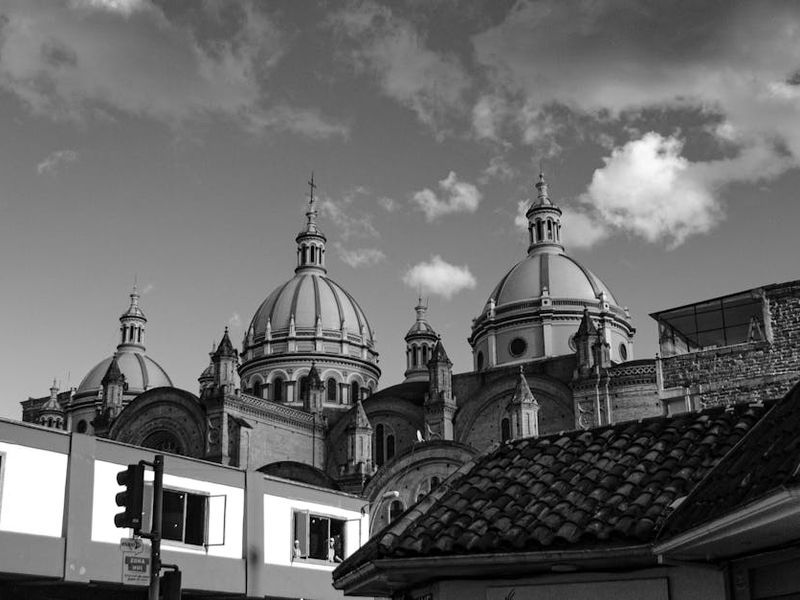
Cuenca’s historic center—characterized by cobblestone streets and cathedral domes—is lively and walkable, while surrounding barrios offer quieter residential life. Explore areas near the Tomebamba River for scenic walks, or seek neighborhoods with local mercados and bakeries for everyday convenience.
Practical tip: Try short-term housing first
Give yourself 4–8 weeks in temporary accommodation to explore neighborhoods. Walk to local shops, sit in plazas, ride buses, and notice noise levels, markets, and the pace of life before signing a long-term lease.
Learn the rhythms of markets, shops and services
Local mercados are the heart of daily life. Early mornings are best for fresh vegetables, flowers, and traditional foods like mote pillo and locro de papa. Small shops may close for a mid-day break and reopen later. Government offices can be slow and paperwork-heavy, so plan and bring all documents.
- Go to markets early for best selection and friendlier prices.
- Keep cash handy—many vendors prefer it despite growing card acceptance.
- Bring a reusable bag; plastic bag usage is decreasing, and vendors appreciate eco-friendly choices.
Master practical logistics: banking, SIM cards and healthcare
One big advantage: Ecuador uses the U.S. dollar, which simplifies budgeting for many expats. Still, practical steps can smooth your transition.
Banking and money
Many expats open a local bank account to pay utilities and receive deposits. ATMs are widespread, but some smaller towns and vendors are cash-only. Notify your home bank before traveling to avoid blocked transactions.
SIM cards and connectivity
Local providers offer prepaid plans with reasonable data packages. Getting a local SIM is straightforward with an ID and a small top-up. Wi-Fi is widely available in cafes and many rentals, but have a mobile data backup for errands and transport apps.
Healthcare
Cuenca has both public and private healthcare options. Private clinics often provide faster service and English-speaking staff in some places. Always carry a basic first-aid kit and relevant prescriptions; bring a copy of medical records if you have ongoing conditions.
Navigating transport: buses, taxis and walking
Cuenca is compact and walkable in many parts, especially the historic center. Public buses are inexpensive and convenient but can feel crowded during peak hours. Taxis and ride-hailing services offer flexible options for short trips.
- Walk when you can—it’s one of the best ways to absorb the city and its plazas.
- Use taxis for nighttime travel or when carrying groceries. Agree on a fare if the meter isn’t used.
- Learn the main bus routes and carry small-change; buses are a great budget option.
Build local friendships and community
Social life in Cuenca centers around plazas, cafes, community classes, and markets. Connecting with neighbors, joining a language exchange or volunteer group, and attending cultural events will help you feel rooted more quickly than trying to replicate your old social life exactly.
Practical tip: Attend local events
Look for weekend artisan markets, concerts in the Parque Calderón, church fairs, and museum talks. Small town and city festivals are excellent places to meet locals and learn traditions—often with music, food and plenty of friendly conversation.
Learn Spanish—fast and practically
Even basic Spanish opens doors. Locals respond warmly when you try their language. Language schools, private tutors, and language exchanges are plentiful. Integrate learning with daily life: practice at markets, with neighbors, and when ordering coffee.
Practical tip: Use language learning with real tasks
Make small language goals tied to activities: learn the words for 10 vegetables you buy at the mercado, practice asking for directions, or memorize phrases you’ll use at the doctor. Real-world practice accelerates learning.
Adjusting to slower service and bureaucracy
In Cuenca, paperwork and service can take longer than you expect. Rather than letting this create tension, strategize around it: call ahead to confirm documents, bring copies, and schedule appointments with buffer time.
- For government procedures, bring originals and multiple copies of ID documents.
- Be patient with bureaucrats—politeness goes a long way and often speeds up service.
- If language is a barrier, hire a translator or ask an experienced expat for guidance.
Enjoy the culinary and cultural comforts
Food is central to life in Cuenca. Small neighborhood panaderías (bakeries) provide morning pastries and bread. Traditional dishes, and the many small family-run restaurants, showcase hearty Andean flavors. Try new things—market snacks, local fruits, and regional specialties—and discover a favorite café where you can become a regular.
Practical tip: Build a comfort list
Create a short list of places that feel like “yours”: a bakery for mornings, a park for walks, a market stall that sells your favorite vegetables, and a clinic with a doctor you trust. These anchors make a new place feel like home fast.
Make the altitude work for you
Adjusting to Cuenca’s elevation is important. Take it easy during your first few days if you’re arriving from sea level. Hydrate, avoid heavy exertion, and be mindful of how your body responds. Many newcomers feel mild breathlessness or fatigue for a few days; most adapt quickly with rest.
Practical tip: Slow and steady exercise
Start with gentle walks and build up to steep hill climbs or aerobic exercise over a couple of weeks. If you have chronic health conditions, consult your physician before travel.
Practical 30/90 day plan to settle in smoothly
Having a simple timeline reduces stress. Here’s a practical plan that balances exploration with essential tasks.
- First week: Get a local SIM, exchange some currency if needed, find a grocery store, try a few markets, and locate a nearby clinic and pharmacy.
- First month: Sign a longer-term lease if comfortable, open a local bank account if needed, start Spanish classes, and join an expat or hobby group.
- First three months: Establish a routine, build local friendships, register with your consulate if you wish, and explore nearby towns and hikes to get a sense of the region.
Handle safety and practical concerns
Cuenca is generally safe compared to many large cities, but petty theft does occur. Use common-sense safety practices: keep valuables out of sight, use a money belt or inside pockets, and avoid poorly lit streets at night. Learn emergency numbers and keep copies of important documents in a safe place.
Keep your expectations flexible and celebrate small wins
Adapting to Cuenca’s relaxed lifestyle is largely an attitude shift. Give yourself permission to slow down and to enjoy the everyday pleasures—morning light on cathedral domes, late-afternoon walks by the river, and casual conversations at the mercado. Celebrate small wins: your first successful grocery run in Spanish, a friendly chat with a neighbor, or discovering the best panadería in your barrio.
Final practical tips
- Carry a photocopy of your passport and important documents for errands.
- Ask neighbors for trusted repair people, cleaners, and plumbers—word of mouth matters.
- Use online expat groups selectively for recommendations, but prioritize local relationships.
- Try to unplug: accept slower service as a gift of time, not an obstacle.
Cuenca’s tempo is an invitation to recalibrate: to favor curiosity over urgency, relationships over rigid scheduling, and experience over efficiency. Embrace the pace intentionally, and you’ll find the relaxed lifestyle here can recharge you in ways a faster rhythm never could.