
Table of Contents
Why Cuenca’s Rhythm Feels Different
Moving to Cuenca, Ecuador, often feels like stepping into a gentler time. The city’s UNESCO-listed historic center, tree-lined riverbanks, and mountain backdrop create an atmosphere that invites patience and presence. For many newcomers used to fast-paced cities, the pace here can feel both delightful and disorienting. Understanding the reasons behind that slower tempo helps you adjust more easily.
Cuenca sits at about 2,560 meters (8,400 feet), offering a steady, spring-like climate that encourages lingering outdoors. Neighborhoods center around plazas and neighborly commerce, and daily life tends to privilege conversation, mealtime, and community over haste. Add to that local business hours, occasional bureaucratic delays, and an emphasis on relationships, and you have a lifestyle that rewards adaptability and calm.
Mindset Shifts: The Core of Adjusting
Before changing routines, update your mindset. These simple mental reframes can turn frustration into enjoyment:
- From urgent to present: Replace “I must hurry” with “I have time to enjoy this place.”
- From efficiency to experience: See slower service as an opportunity to soak up details—street life, architecture, language practice.
- From control to curiosity: Accept that not everything will run on a tight schedule; be curious about how things work locally.
Practice patience actively—use waits to journal, learn Spanish vocabulary, or people-watch along the Río Tomebamba.
Practical Daily Strategies
Small routine tweaks make a big difference when settling into Cuenca.
- Structure your mornings: Cuenca’s mornings are often the most productive hours—shops open early, traffic is lighter, and you’ll find local markets bustling. Schedule errands, appointments, and focused work in the morning.
- Respect the long lunch: Many Ecuadorians eat a hearty almuerzo midday. Restaurants and small businesses may slow down or close between roughly 12–2pm. Use this window to relax, walk by Parque Calderón, or take a short nap.
- Plan for slower service: Whether at a government office or a family-run tienda, expect a relaxed tempo. Bring a book, phone charger, or language flashcards when you step out for paperwork or appointments.
- Carry small bills and cash: Ecuador uses the U.S. dollar—carry small denominations for taxis, markets, and tips. ATMs are common, but smaller vendors prefer cash.
Where to Live: Neighborhoods That Match the Pace
Choosing the right neighborhood helps you match your lifestyle to Cuenca’s rhythm.
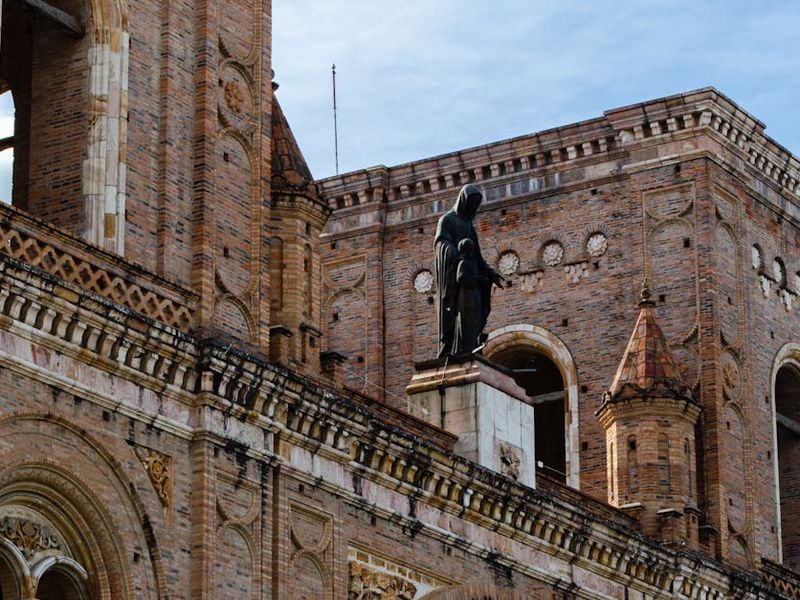
- El Centro (Historic Center): Walkable streets, cultural sites like the Catedral Nueva with its iconic blue domes, and an abundance of cafés and museums. Great if you want to be in the heart of things—expect tourists and vibrant street life.
- Turi: Perched above the city, Turi offers views and a quieter residential feel—popular for those who want to escape downtown bustle while staying close.
- Parque Industrial / El Vergel: More local, family-oriented neighborhoods with neighborhood markets and cheaper rents; good for a deeper immersion into everyday Ecuadorian life.
- Near Río Tomebamba: Streets beside the river are scenic and popular for morning walks, easy access to cafés, and a relaxed riverfront vibe.
Rent before you buy and visit neighborhoods at different times of day to sense the true tempo and noise levels.
Language and Social Strategies: Connect to Accelerate Comfort
Language is one of the fastest ways to feel at home. Even modest Spanish skills open doors and speed interactions, reducing the friction that makes a slow system feel slower.
- Take a conversational class: Look for small-group classes or private tutors who focus on everyday phrases useful for markets, taxis, and medical visits.
- Practice in local settings: Try ordering at neighborhood fondas, chatting with vendors by Parque Calderón, or joining a language exchange at a café.
- Find community groups: Expat meetups, volunteer groups, and hobby clubs (dance, art, hiking) give structured ways to make friends and learn local norms.
Meeting bilingual locals—teachers, baristas, healthcare workers—can accelerate integration and make daily life smoother.
Dealing with Bureaucracy and Services
Bureaucratic processes in Cuenca can be slower and more paperwork-focused than what some newcomers expect. Here are practical tips:
- Gather documents in advance: Bring originals and copies to appointments—IDs, proof of address, passport, and any translated documents if required.
- Use intermediaries when helpful: Many expats use gestorías (local facilitators) for visas and property paperwork; they know the local rhythm and can save time.
- Expect in-person visits: While some services are online-ready, many government offices still favor face-to-face transactions—plan accordingly.
- Be polite and patient: Courteous interactions often yield faster help than frustration. A warm greeting and a few Spanish phrases go a long way.
Health, Altitude, and Climate Considerations
Cuenca’s altitude—about 2,560 meters—means you should give your body a few days to acclimatize after arrival. Symptoms like shortness of breath or light-headedness are common; stay hydrated and take it easy on your first hikes or strenuous activity.
The city enjoys mild temperatures year-round. Layers are essential: cool mornings and evenings, with warmer afternoons. Pack a lightweight rain jacket—afternoons can bring showers, so quick-draining footwear and an umbrella are useful.
Healthcare in Cuenca is widely accessible. Private clinics and multilingual doctors are common in the city; make an appointment early in your stay to find a primary care provider you trust.
Transportation: Moving at a Comfortable Pace
Cuenca is pedestrian-friendly, especially in and around the historic center. Many expats enjoy walking or cycling along the river and between plazas.
- Taxis: Abundant and inexpensive for short distances—use small bills and agree on fares when meters aren’t used.
- Buses and colectivos: Cheap and local, but can be crowded and not always scheduled. Good for routine commutes once you learn routes.
- Walking and biking: The city’s compact center makes these the best way to absorb local life at human speed.
Cultural Norms and Everyday Etiquette
Cuencanos are generally warm and courteous. A few cultural norms smooth interactions:
- Greetings: Handshakes and light cheek kisses are common—match the formality of your counterpart.
- Punctuality: Business meetings may expect timeliness, but social invites tend to enjoy flexibility—arriving 10–15 minutes late isn’t unusual.
- Noise and community: Neighborhoods have rhythms—respect quiet hours, but also expect lively public plazas and social gatherings.
- Tipping: Service charges vary—small tips for good service are appreciated but not always mandatory.
How to Build a Rich, Slow-Paced Social Life
Cuenca rewards those who invest time in community. Instead of hurried networking, aim for depth:
- Frequent a neighborhood café or market: Regular visits build familiarity with vendors and neighbors—your Spanish will improve naturally.
- Join classes or clubs: Dance, ceramics, painting, and hiking groups offer structure and regular, low-pressure socializing.
- Volunteer: Animal shelters, community schools, and environmental groups need help and offer meaningful ways to connect.
- Host small gatherings: A casual picnic by the Río Tomebamba or a dinner with neighbors accelerates friendship formation in a low-key way.
Sample Daily Schedule to Embrace the Pace
Here’s an example routine that balances productivity with Cuenca’s relaxed tempo:
- 6:30–9:30 am: Morning walk along the river, café, language practice, focused work time.
- 12:00–2:00 pm: Long almuerzo—try a local sopa and seco in a neighborhood fonda, followed by a short rest or stroll through Parque Calderón.
- 2:00–5:00 pm: Errands, appointments, or social meetups—buses and shops re-open and are less crowded.
- Evening: Casual dinner, meet friends, or attend a cultural event like a small concert or art show.
First-Month Checklist for New Arrivals
To accelerate comfort and reduce stress in your first weeks, complete these practical steps:
- Obtain a local SIM card and learn basic mobile banking apps.
- Open a local bank account or verify how your home bank works with ATMs in Ecuador.
- Register with your consulate and note emergency numbers.
- Find a doctor and dentist—book initial checkups to build a relationship.
- Enroll in a Spanish class or language exchange group.
- Explore several neighborhoods at different times of day before choosing long-term housing.
- Join local Facebook groups or online forums for practical tips and meetups.
Handling Frustration and Avoiding Burnout
Even with preparation, the difference in pace can trigger frustration. When that happens:
- Take a breath: Step away, have a coffee, and reset expectations.
- Find a quiet refuge: Parks along the Río Tomebamba or quiet side streets offer calm spaces for reflection.
- Keep a personal routine: Regular exercise, sleep, and creative habits root you when external tempos change.
- Seek supportive communities: Online forums and local expat groups can normalize your experience and provide practical fixes.
Final Thoughts: Slow Is a Skill You Can Learn
Adjusting to Cuenca’s relaxed lifestyle is less about changing the city and more about growing your capacity for presence. With simple habits—morning structure, language practice, neighborhood exploration, and a patient mindset—you’ll find the slower rhythm becomes restorative rather than restrictive.
Cuenca is rich with cultural treasures, outdoor escapes like Cajas National Park, and friendly neighbors. Embrace the unhurried pace as an invitation: to deepen relationships, savor daily rituals, and enjoy a life where quality often outweighs speed. Learning to slow down here doesn’t mean losing momentum—it often means gaining a fuller, more sustainable one.