
Table of Contents
Why Ingapirca Should Be on Your Cuenca Itinerary
Just a short drive north of Cuenca lies Ingapirca, the largest and most important pre-Columbian archaeological site in Ecuador. It’s a striking place where Inca stonework meets earlier Cañari construction, crowned by the famous elliptical “Temple of the Sun” (El Torreón). For visitors based in Cuenca, Ingapirca offers a deep dive into Andean history, dramatic highland views, and a chance to see how indigenous traditions remained alive long after the Inca built their structures.
Quick Facts at a Glance
- Location: Cañar Province, north of Cuenca
- Travel time from Cuenca: roughly 1.5–2 hours by car (distance ~70–90 km depending on route)
- Altitude: highland puna environment above 3,000 meters, expect thinner air
- Main attraction: El Torreón (Temple of the Sun) and the surrounding plazas, terraces, and Cañari foundations
- Best time to visit: dry months (May–September) for clearer skies and fewer rain interruptions
A Brief Cultural & Archaeological Overview
Ingapirca is not solely an “Inca” site—it’s the product of centuries of life in the Ecuadorian highlands. The Cañari people occupied the area before the Inca expansion. When the Inca arrived in the 15th century, they adapted and expanded existing Cañari works, building the tower and stone plazas that remain today. The site reflects a blending of two traditions: the sophisticated masonry of the Inca and the pre-Inca Cañari layouts and local materials. Archaeologists have identified plazas, terraces, tombs, water channels, and pathways that reveal both ritual and practical uses.
Getting There from Cuenca: Options Compared
Travel choices will depend on budget, comfort level, and how much you want to explore beyond the ruins.
1. Self-drive (recommended for flexibility)
Renting a car gives you the greatest flexibility to stop at viewpoints, visit nearby towns like Azogues and Cañar, and set your own pace. The roads are generally paved and well-marked; the typical route heads north from Cuenca on the Pan-American/Interamericana highway (E35) before turning toward Ingapirca. Allow 1.5–2 hours each way and factor in time for mountain driving and photo stops.
2. Private transfer or taxi
If you prefer not to drive, arrange a private driver or negotiate a round-trip taxi. This option is pricier than public transport but convenient for early departures and extended stops. Always agree on a price and itinerary before starting the trip.
3. Public buses and colectivos
For budget travelers, buses depart from Cuenca’s Terminal Terrestre heading to Azogues or Cañar; some buses go directly to Ingapirca or pass nearby with connections. Travel times are longer due to stops. Check schedules locally—buses are frequent but may not align perfectly with your desired timetable.
4. Guided day tours from Cuenca
Local tour operators offer half- and full-day trips that include round-trip transport, entrance fees, and a guide. These are ideal if you want expert commentary, hassle-free logistics, and a chance to combine Ingapirca with a visit to neighboring cultural sites or markets.
What You’ll See at Ingapirca
The site is compact enough to explore in a few hours but rich enough to spend a half-day when you include hiking and local storytelling.
- El Torreón (Temple of the Sun): The most striking feature—an elliptical stone tower thought to have astronomical and ritual significance.
- Plazas and terraces: Open spaces used for gatherings, agriculture, and ceremonies; excellent for imagining life centuries ago.
- Cañari foundations: Lower terraces and earlier construction show the pre-Inca occupation and layout.
- Water channels and cisterns: Ingenious engineering that managed highland rains and irrigation.
- Small museum at the entrance: Displays artifacts, maps, and context that make the walk more meaningful.
Practical Visitor Tips
To get the most from your visit, keep these practical considerations in mind:
- Start early: Morning light is best for photos, and crowds are thinner. Also, weather tends to be more stable before afternoon mountain storms.
- Wear layers: The highland sun can be strong, but temperatures drop quickly, especially in the shade or after the sun sets behind the ridges.
- Bring water and snacks: There are small kiosks near the site but options are limited. Carry a refillable bottle—hydration matters more at altitude.
- Sturdy footwear: Stones and steps can be slippery when wet. Good walking shoes make the visit safer and more comfortable.
- Altitude awareness: Ingapirca sits above 3,000 m; if you feel dizzy or short of breath, slow down, sit, and hydrate. Take it easy on strenuous hiking until you adjust.
- Cash: Carry small bills and coins for entrance, guides, souvenirs, and snacks—card acceptance is limited in rural areas.
- Respect the site: Climbing on the stones is prohibited in many areas to protect the masonry. Follow signage and your guide’s instructions.
Photography & Drone Rules
Ingapirca is a photographer’s dream: sweeping valley vistas, close-up stone textures, and light that changes rapidly with the highland weather. For respectful and legal photography, do not use drones unless you have explicit permission from the site authorities—many archaeological parks restrict drones to preserve the integrity of the ruins and the privacy of visitors.
Accessibility and Mobility Notes
The site is on uneven ground with stone steps and slopes, so it’s not very accessible for wheelchairs or visitors with limited mobility. There are short, flatter paths near the entrance and museum; if mobility is a concern, contact the site in advance or arrange a private guide who can tailor the visit.
Guides: Worth It or Not?
Guides add significant value. Local guides not only point out architectural details you might miss, but they also explain the cultural context, rituals, and the interplay between Cañari and Inca influences. You can hire a guide at the entrance or book one through a tour operator in Cuenca. If you’re on a tight budget but want insight, combine a short guided tour with time to explore independently.
Combining Ingapirca with a Broader Day Trip
Ingapirca pairs well with other nearby stops to make the most of your travel time from Cuenca. Here are a few ideas:
- Azogues: A nearby city with colonial churches and local markets—great for a mid-morning coffee stop.
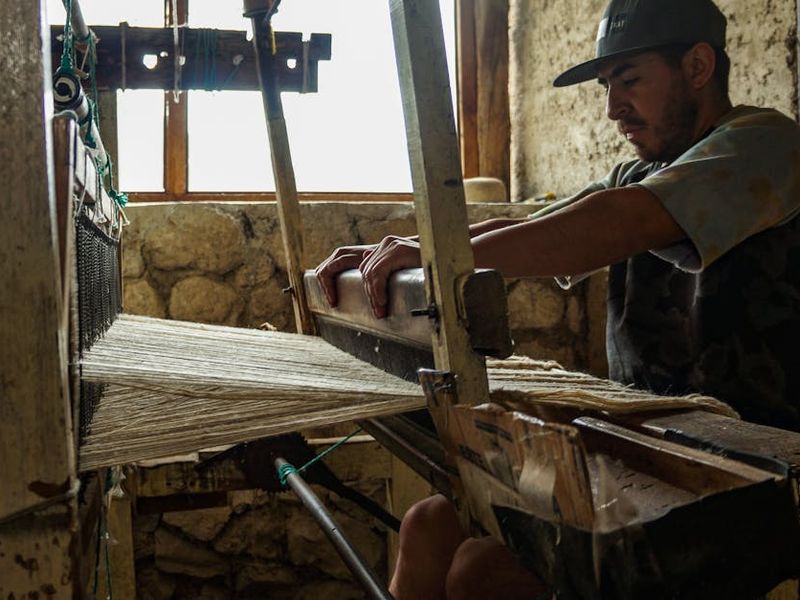
- Cañar town: Visit local workshops where you can see traditional weaving or crafts and pick up handmade souvenirs.
- Hiking or viewpoint detours: Short trails and viewpoints above the valley offer panoramic photos and quiet moments.
- Local markets: If your visit coincides with a market day, you’ll find fresh produce, indigenous textiles, and culinary specialties. Ask locally for market days in surrounding towns.
Sample Itinerary: A Relaxed Day Trip from Cuenca
Here is a sample schedule to help you plan a relaxed and informative day trip:
- 7:00 AM – Depart Cuenca (self-drive or meet your tour guide)
- 9:00 AM – Arrive at Ingapirca, visit museum, and meet a local guide
- 9:30–12:00 PM – Guided tour of El Torreón, terraces, and plazas; time for photos
- 12:00–1:00 PM – Lunch at a nearby family-run restaurant or picnic with view
- 1:00–3:00 PM – Optional visit to Azogues or a local craft workshop; return via scenic route
- 4:30–6:00 PM – Arrive back in Cuenca with time to relax and explore the city’s evening offerings
Where to Stay If You Want to Overnight Near Ingapirca
Most visitors stay in Cuenca and do a day trip, but if you prefer slower travel, there are guesthouses and small haciendas in the region. Staying nearby lets you experience rural highland life, local cuisine, and quiet star-filled skies. Overnight options are modest—think family-run hostels, rural lodges, and sometimes small luxury haciendas if you seek a higher-end stay. Booking in advance during high season is wise.
Food & Local Flavors
After exploring the ruins, savor local highland dishes: hearty soups like locro de papa (potato soup), roasted cuy (guinea pig) in some traditional eateries, and slow-cooked meats with corn and potatoes. Near Ingapirca you’ll find family restaurants that focus on home-style cooking—ask your guide or driver for recommendations to enjoy authentic flavors.
Respectful Travel: Tips for Cultural Sensitivity
Ingapirca sits within a living cultural landscape. Treat the site and surrounding communities with respect. Ask before photographing people, purchase crafts directly from producers when possible, and heed local guidance about where to walk and what to touch. Small gestures of politeness go far—learn a few phrases in Spanish (or a friendly greeting in the local indigenous language if offered) and you’ll open doors to richer conversations.
Final Thoughts: Why This Trip Rewards Every Traveler
Whether you’re a history buff, photographer, or simply curious about Ecuador’s highland cultures, Ingapirca delivers. From its dramatic stonework and sweeping Andean views to the layered cultural story of the Cañari and Inca, the ruins provide a tangible connection to centuries of Andean life. For visitors in Cuenca, Ingapirca is an accessible and rewarding excursion—one that complements your city stay with rugged landscapes, local communities, and a sense of being in a place where the past remains very much present.
Plan thoughtfully, bring layers and water, and allow yourself time to slow down on the ruins’ terraces. The payoff is more than photos: it’s a deeper understanding of Ecuador’s highland heritage and the chance to stand in a place that once stood at the crossroads of cultures.