
Table of Contents
Overview: Quito and Cuenca — Two Highland Cities, Three Travel Styles
Quito and Cuenca are two of Ecuador’s most visited cities, each offering colonial charm, museums, and walkable historic centers. The distance between them spans Ecuador’s dramatic Andean landscape — volcanic peaks, páramo, highland valleys and small towns. Choosing whether to fly, ride a bus or drive depends on your priorities: speed, cost, comfort, scenery, and how much you want to explore en route.
Quick Comparison at a Glance
- Plane: Fastest door-to-door time if you factor in airport transfers — flights are under an hour, but add check-in and travel to/from airports.
- Bus: Cheapest and most direct to city centers; overnight buses save a night’s lodging but take longer (usually 8–10 hours).
- Car: Most flexible — stop where you like, detour to viewpoints and markets, but expect mountain driving and longer effort behind the wheel.
Flying Between Quito and Cuenca: Fast, Convenient, and Practical
Flying is the obvious choice if you value time above everything else. Domestic flights on the Quito–Cuenca route typically last about 45–55 minutes in the air. Major carriers that operate domestic networks (check current schedules before booking) provide several daily flights, especially during peak travel seasons.
Airports and Transfers
Depart from Quito’s Mariscal Sucre International Airport (UIO) located east of the city. Plan extra time for the transfer from central Quito — depending on traffic it can take 40–60 minutes. Cuenca’s Mariscal La Mar Airport (CUE) is outside the city; taxis from the airport to the historic center generally take around 20–40 minutes.
What to Expect and Tips
- Book early for the best fares and reliable schedules, especially around holidays like Semana Santa or Christmas.
- Check luggage allowances — domestic fares often have stricter weight limits than international flights.
- Factor in total travel time: 45-minute flight + airport transfers and early arrival recommendations may equal 3–4 hours total.
- Use authorized airport taxis or pre-arranged transfers on arrival in Cuenca for safety and better prices.
Taking the Bus: Budget-Friendly and Scenic
Buses between Quito and Cuenca are a popular option for budget-conscious travelers and those who prefer arriving directly in the city center. Most long-distance buses operate from Quito’s Terminal Terrestre Quitumbe (south of the city), with departures throughout the day and at night.
Duration, Comfort Levels and Prices
The trip typically takes between 8 and 10 hours, depending on the company, number of stops, and road conditions. Buses range from basic coaches to more comfortable “ejecutivo” or “cama” services with wider reclining seats and onboard toilets. Expect fares to vary roughly from inexpensive local rates up to higher prices for premium seats — booking early secures the best cabins.
Practical Bus-Travel Tips
- Reserve tickets online or at the Quitumbe terminal a few days in advance during holidays.
- Bring layers: buses can be cool at altitude, and overnight trips get chilly.
- Carry a small lock and keep valuables secured; store bigger bags in the hold and keep passports and cash on you.
- Plan restroom and stretch stops: long-distance buses will stop at roadside restaurants where you can try an “almuerzo” (set lunch).
Driving Yourself: The Road Trip Experience
Driving from Quito to Cuenca is appealing if you want to turn the transfer into a mini road trip. The route mostly follows the Pan-American corridor through central highland towns like Latacunga, Ambato and Riobamba before descending toward Cuenca. Distance varies with the route but plan on roughly 450–500 kilometers and about 7.5–10 hours of driving, depending on stops and driving speed.
Road Conditions and Driving Advice
Major highways between Quito and Cuenca are paved and generally in good condition, but expect winding mountain sections, steep grades, and slower truck traffic. Safety tips:
- Avoid driving late at night in rural stretches where lighting is limited.
- Watch for speed limits (radar and police checkpoints are common) and for unpredictable local driving patterns in small towns.
- Bring a spare tire, basic tools, and ensure your rental includes breakdown coverage and adequate insurance.
- Keep cash for occasional tolls (peajes) and small purchases at roadside stops.
Fuel and Costs
Because Ecuador uses the US dollar, it’s easy to estimate costs. Fuel consumption will depend on your vehicle; for a small car expect to spend a modest amount for the full trip. Consider the rental rate, insurance, and any drop-off fees if you plan to leave the car in Cuenca. If you prefer not to drive the entire distance yourself, look into hiring a driver or a private shuttle for a one-way transfer.
Scenic Stops and Detours That Make the Journey Memorable
One of the best reasons to drive or take the bus is the opportunity to stop and explore. Here are some worthwhile detours and viewpoints:
- Ambato: a pleasant place to stop for local pastries and to see a smaller city vibe.
- Riobamba and the Chimborazo viewpoints: on clear days you can glimpse chimborazo’s snowy slopes from highway viewpoints.
- Cuenca’s surrounding páramo and river valleys: as you approach the city, the landscape changes to gentler valleys dotted with farms and indigenous markets.
Arrival in Cuenca: Getting Around and What to Expect
Cuenca has a compact, walkable historic center with cobblestone streets, parks and several major attractions within walking distance of each other. After arriving by bus or plane, you’ll find taxis at both terminals and the airport; agree on a price or use the official metered taxis for a fair rate. From the bus terminal you can also find local buses and shared taxis that will drop you close to your accommodations for very little cost.
Must-See Sights in Cuenca
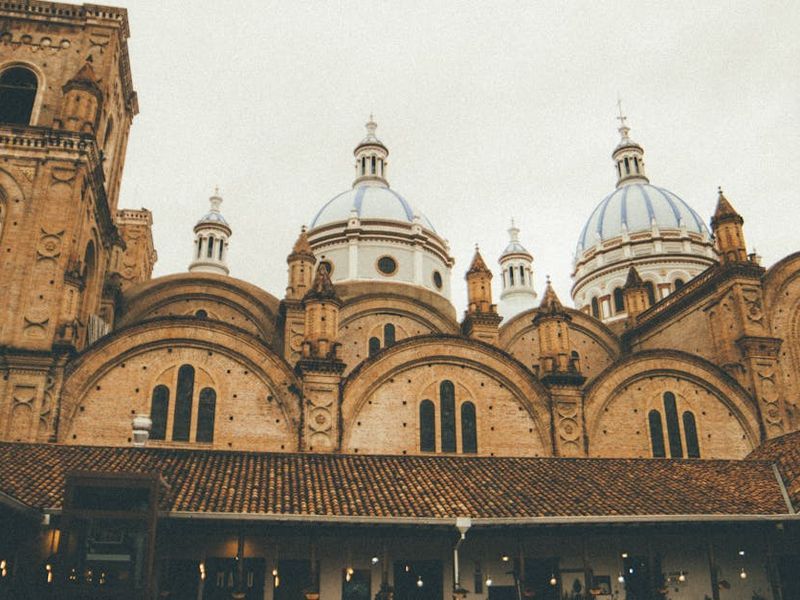
- Parque Calderón and the New Cathedral (Catedral de la Inmaculada Concepción).
- Pumapungo Museum and archaeological park for an introduction to the region’s history.
- El Barranco and Río Tomebamba riverside for scenic walks and artisan shops.
- Turi viewpoint for panoramic views of the city and surrounding valleys.
Safety, Health and Practical Advice
Both Quito and Cuenca are at high elevation — Quito sits at roughly 2,850 meters and Cuenca slightly lower at around 2,500 meters. Most travelers adapt quickly, but if you’re coming straight to Quito or arriving from sea level, allow time to acclimatize and drink plenty of water. If you’re traveling by land, bring motion-sickness remedies for winding mountain roads.
General Safety Tips
- Use reputable bus companies and official airport taxis. If a taxi driver offers to take you directly from an arrival gate, confirm they are authorized.
- Keep copies of important travel documents and a card with emergency contacts — Ecuador’s emergency number is 911.
- Be mindful of pickpocketing in busy terminals; keep small valuables close and concealed.
Booking, Timing and Seasonal Considerations
Peak travel times (holidays, summer months, and long weekends) mean buses and flights can fill up. Booking in advance is wise if you need a specific schedule or seat type. Weather can affect travel time: heavy rain in the highlands can slow road travel, and fog may delay flights occasionally. Aim to have flexible plans when traveling during the rainy season.
Which Option Is Right for You?
If you value saving time and a quick transfer, fly — especially for short trips or if you’re connecting to international flights. If you want a low-cost direct journey, buses are economical, comfortable enough for overnight travel, and deliver you right into Cuenca’s transport hub. If you’re eager to explore, photograph and make spontaneous stops along the way, driving gives you unmatched freedom.
Sample Scenarios
- Business traveler with limited time: Fly, book an early flight, and arrange an airport-to-city transfer in Cuenca.
- Budget traveler or backpacker: Take a reputable overnight bus to save on lodging and arrive refreshed in the morning.
- Slow-travel couple or photographer: Rent a car and plan several stops — markets, viewpoints and small towns en route.
Final Practical Checklist
- Compare total door-to-door times (flight time + transfers vs. bus/car times).
- Book tickets in advance for holidays and summer travel.
- Pack layers for highland temperatures and bring motion-sickness remedies for winding roads.
- Confirm luggage rules for flights and secure valuables when traveling by bus.
- Keep a local SIM or download offline maps and directions; Wi‑Fi can be spotty in rural areas.
Travel between Quito and Cuenca is a choice between speed and experience. Whether you choose the sky, the road, or the comfort of a private ride, you’ll move through some of Ecuador’s most iconic landscapes and arrive in Cuenca ready to explore museums, mercados, and the beautifully preserved colonial center. Plan according to your priorities and enjoy the journey — in Ecuador, the route is often as rewarding as the destination.