
Table of Contents
Why Cuenca is a Smart Choice for Dental Care
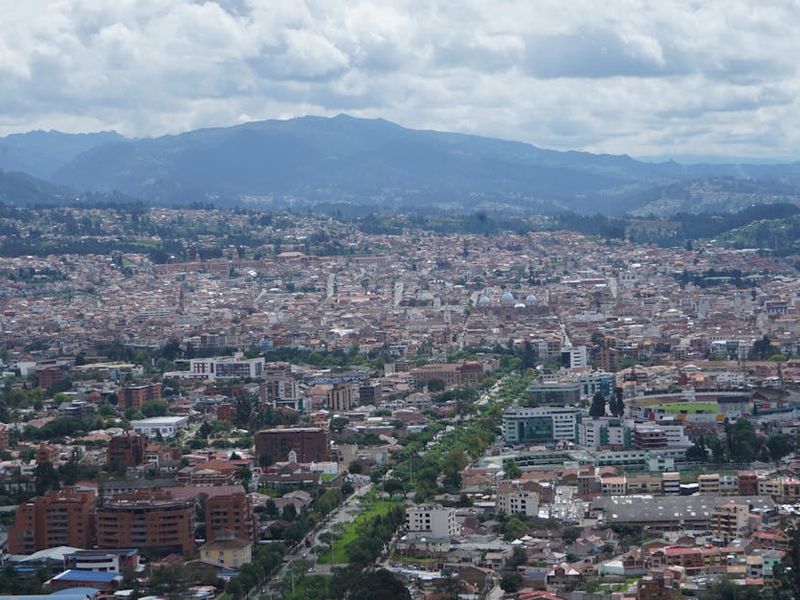
Cuenca, Ecuador has quietly become a hub for dental tourism. The city’s combination of well-trained dentists, modern clinics, and affordable prices attracts travelers from North America and Europe. Add a beautiful UNESCO-listed historic center, a mild mountain climate, and the convenience of the U.S. dollar, and it’s easy to see why many patients choose Cuenca for major procedures like implants, crowns, and full-mouth restorations.
Understanding What You Can Save
One of the first questions people ask is: how much can I save? While exact prices vary by clinic and materials, here are realistic ranges you can expect in Cuenca compared with typical U.S. costs:
- Routine cleaning and exam: $30–$60 in Cuenca vs $100–$200 in the U.S.
- Root canal (single-root tooth): $100–$250 vs $600–$1,200 in the U.S.
- Ceramic crown: $250–$500 vs $800–$1,500
- Dental implant (surgical + crown): $900–$1,800 vs $3,000–$6,000
These are ballpark figures but illustrate why people travel for complex and multiple procedures. Because materials and lab costs are lower, the savings become especially noticeable with multi-tooth treatments.
How to Choose a Clinic in Cuenca
Deciding where to get dental work done is the most important step. Use a layer approach to vet clinics rather than relying on a single source.
1. Verify credentials and training
Look for dentists who graduated from accredited dental schools and, ideally, who have continued education in prosthodontics, implantology, or endodontics. Many Cuenca dentists have training from universities in Quito or abroad. Ask for certificates — most clinics will send scans of diplomas and course certificates if requested.
2. Check clinic hygiene and equipment
Modern clinics in Cuenca often have digital X-rays, intraoral cameras, and CBCT (3D imaging). These tools are essential for accurate diagnostics, especially implants. Ask whether the clinic uses autoclaves for sterilization, what sterilization protocol they follow, and whether they keep radiographs and records digitally.
3. Read reviews and request case photos
Patient reviews on Google, Facebook, and expat forums are helpful. Request before-and-after photos of similar cases. Video consultations allow you to see the clinic environment and meet the team virtually.
4. Ask about labs and materials
Quality often hinges on the dental lab. Ask whether crowns and prostheses are made in-house, at a local lab, or outsourced to another country. Inquire about brands used for implants and prosthetics — reputable international implant systems are available in Cuenca, which can ease follow-up care if you return home.
Plan Your Trip: Timing, Duration, and Scheduling
Scheduling determines the success of a dental vacation. Here’s how to plan your timeline depending on the procedure.
Short procedures (1–2 days)
For cleanings, checkups, or a single filling, most people arrive and leave within 24–48 hours. Book the first appointment the morning after arrival to account for travel fatigue.
Multiple visits (1–2 weeks)
Crowns, implants, and multi-step cosmetic work typically require two or more visits. For example, a crown usually needs an impression visit and a placement visit 7–14 days later while a traditional implant with a healing period may require several months. Many travelers plan a first trip for extractions and implant placement, and a second trip 3–4 months later for final crowns.
Best time of year to travel
Cuenca sits at an elevation of about 2,560 meters (8,400 feet) and has a generally mild climate year-round. If you prefer drier weather for sightseeing and recovery walks, plan your visit during the drier months (typically June–September). Avoid scheduling strenuous activity immediately after surgery given the altitude.
Practical Travel Logistics
Good planning reduces stress. Here are local tips to help your trip run smoothly.
Flights and arrival
Cuenca is served by Mariscal Lamar International Airport (CUE). Many international visitors fly into Quito (UIO) or Guayaquil (GYE) and take a short domestic flight to Cuenca. Alternatively, buses between Guayaquil and Cuenca are comfortable and affordable if you prefer ground travel.
Where to stay
Staying close to the Historic Center (El Centro) or near the Tomebamba River is convenient because many clinics are located within walking distance. Vacation rentals and small hotels are plentiful and affordable; budget for $30–$80 per night depending on standards and location. If you have evening medication needs or mobility restrictions, choose ground-floor or elevator-accessible accommodations.
Getting around
Cuenca is compact and pedestrian-friendly. Taxis are inexpensive, and many clinics will arrange airport pickup and local transport as part of a dental tourism package. Ride-hailing apps are available in the city, but cash taxis are common — have small bills on hand for short trips.
Preparing Before You Leave Home
Preparation saves time and prevents surprises.
Collect dental records
Bring recent X-rays, a list of current medications, and any relevant dental history. If your home dentist can send a summary directly to the Cuenca clinic, that can speed the diagnostic process.
Ask about pre-op instructions
Some clinics recommend pre-operative antibiotics or mouth rinses, while others advise avoiding certain medications before sedation. Clarify eating rules before sedation and whether you should bring a companion for the initial appointment.
Arrange international payment and documentation
Most clinics accept major credit cards and U.S. dollars in cash. Request itemized invoices and warranties on work where offered. A written treatment plan, including timelines and follow-up protocols, is essential for continuity of care back home.
During Your Stay: What to Expect and How to Recover
Understanding the clinical flow and recovery expectations helps you stay comfortable and confident during your visit.
Typical clinic visit flow
Initial visits usually include a consultation, exam, and digital imaging. The dentist will present options, materials, and a cost estimate. If you agree to proceed, consent forms and treatment planning follow. For multi-step treatments, clinics often create a timeline and sometimes coordinate lab work while you relax and enjoy the city.
Post-op care and recovery tips
- Plan light activity for 48–72 hours after surgery—no heavy lifting or strenuous exercise.
- Keep your head elevated while sleeping to reduce swelling.
- Use prescribed pain relief and antibiotics as directed; buy medication from a pharmacy recommended by the clinic.
- Avoid alcohol and smoking during healing, as they impair recovery and increase infection risk.
- Use gentle saltwater rinses after 24 hours for extractions (1/2 teaspoon salt in 8 ounces of warm water).
Combining Treatment with Tourism: Smart Itineraries
A dental vacation doesn’t mean you can’t enjoy Cuenca. Balance your appointments with low-impact activities to make the most of your trip while protecting your recovery.
Day trips and gentle activities
Take easy walks through the Historic Center to see the cathedral, enjoy a riverside café along the Tomebamba, or visit the Museo Pumapungo for cultural immersion. Plan more active excursions—like hiking in surrounding valleys—before or after major dental work.
Sample week plan for a crown or small implant
- Day 1: Arrive, rest, and meet clinic for morning consult.
- Day 2: Imaging and preparatory procedures (extractions if needed).
- Day 3–6: Light sightseeing and rest while lab fabricates restorations.
- Day 7: Placement of crown or prosthesis and final adjustments.
- Day 8: Follow-up check and departure.
Aftercare When You Return Home
Long-term success depends on maintenance. Schedule a follow-up with your dentist at home within 1–3 months to check integration and occlusion. Keep copies of all records and invoices in case future issues require warranty claims or replacement parts.
Emergency plan
Ask the Cuenca clinic for emergency contact details and speak with your home dentist about potential complications. Some clinics offer short-term warranties and will coordinate with you for remote consultations if issues arise.
Common Questions and Practical Concerns
Is it safe to get implants abroad?
Yes, when you choose a reputable clinic with experienced clinicians, modern sterilization practices, and high-quality implant systems. Always verify training credentials, lab standards, and patient reviews.
What about language barriers?
Spanish is the primary language, but many clinics that work with international patients have English-speaking staff. Bring a translation app or a bilingual friend if you’re not confident. Clear communication about allergies, medications, and expectations is non-negotiable.
How do warranties work?
Some clinics offer warranties on implants or prosthetics, often conditional on regular check-ups. Get any warranty in writing and understand what it covers (material defects vs. biological failure). This paperwork is essential for future recourse.
Final Checklist Before You Go
- Collect and send dental records to the clinic for pre-assessment.
- Confirm appointments and transportation arrangements.
- Pack a meds kit (prescription copies, over-the-counter pain relief, saline rinse supplies).
- Arrange accommodations near the clinic if mobility or frequent visits are expected.
- Secure travel insurance that covers medical/dental procedures if applicable.
- Request written treatment plans, cost breakdowns, and warranties.
Cuenca can be an excellent destination for affordable, high-quality dental care if you prepare carefully and choose your clinic wisely. Balance your desire for savings with attention to credentials, sterilization, and realistic planning for recovery. With the right approach, you can return home with healthier teeth and pleasant memories of Ecuador’s southern highlands.