
Table of Contents
Why Visit Ecuador’s Southern Highlands?
The southern highlands of Ecuador offer an intoxicating mix of colonial cities, vibrant culture, and near-endless outdoor adventures — all within a few hours of one another. This region is where UNESCO-listed Cuenca meets the artistic, music-rich city of Loja and the signature laid-back village of Vilcabamba, known for its mild climate and wellness scene. Whether you’re planning a short trip or scouting a place to retire, the Southern Highlands deliver history, nature and an appealing quality of life.
Overview: Cuenca, Loja and Vilcabamba at a Glance
Cuenca is the most visited of the three: a picturesque colonial center with cobblestone streets and an active expat community. Loja is smaller, quieter and famous across Ecuador for its music, cultural festivals and proximity to pristine cloud forests. Vilcabamba — often called the “Valley of Longevity” — sits lower in elevation with a warmer climate, attracting hikers, yoga practitioners and those seeking a slower pace.
Getting There and Getting Around
All three destinations are connected by reliable bus routes and occasional domestic flights. Cuenca has a modern airport with flights from Quito and Guayaquil, making it a convenient entry point to the southern highlands. Loja also has a regional airport with links to the coast and capital on some schedules, and Vilcabamba is easy to reach by road from Loja or Cuenca.
- Bus travel: High-quality intercity buses run between Cuenca, Loja and Vilcabamba. Expect comfortable seats, scenic mountain roads and ticket prices that are inexpensive by Western standards.
- Domestic flights: Useful for saving travel time between Quito/Guayaquil and Cuenca or Loja, though schedules can be seasonal and subject to change.
- Local transport: Within cities, taxis and ride-hailing apps are common. Walking is the best way to explore downtown Cuenca’s historic center.
Cuenca: What to See, Do and Eat
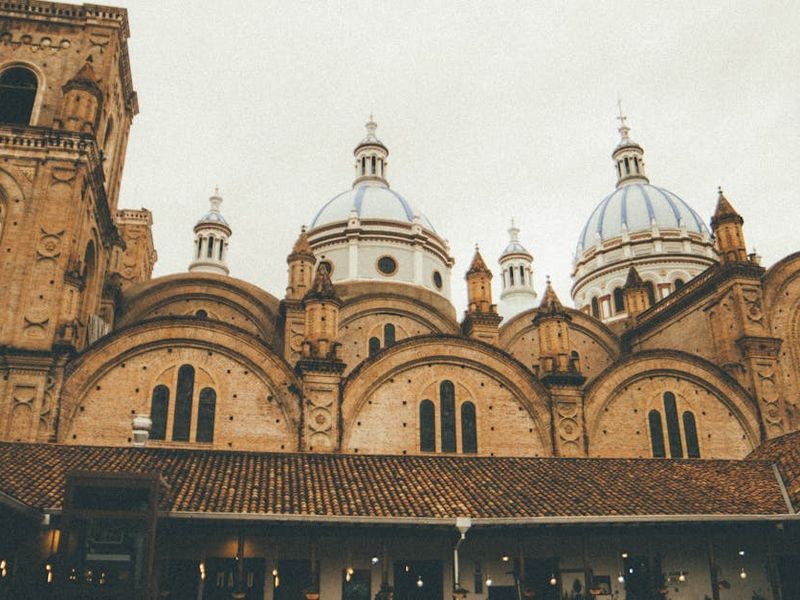
Cuenca is a delight for walkers. Start at Parque Calderón, the city’s main square framed by the New Cathedral with its striking blue domes. Meander along the Tomebamba River, cross the stone bridges and explore the maze of plazas, boutique shops and cafés in the centro histórico. Cuenca is also an excellent base for day trips — see the ruins of Ingapirca in Cañar province, and don’t miss Cajas National Park for high-Andean lakes and hiking.
Culture-lovers should visit Museo Pumapungo — a museum and archaeological park with Inca and Cañari artifacts and reconstructed terraces — and the fine arts museum in the city center. For artisan goods, check markets and stalls selling toquilla straw woven Panama hats, textiles and ceramics. Sample local dishes like hornado (slow-roasted pork), locro de papa (creamy potato soup) and fresh fruit juices at markets.
Practical tips for Cuenca: Neighborhoods near Parque Calderón and San Sebastián are ideal for first-time visitors. The city is popular with expats thanks to its pleasant climate (roughly 2,500–2,600 meters above sea level), high-quality private clinics and a range of international and local restaurants. For day trips, Cajas National Park is only about an hour’s drive northwest and offers lakeside hikes and birdwatching; Ingapirca is further east but doable in a half-day journey.
Loja: Music, Nature and a Laid-Back Vibe
Loja is quieter than Cuenca but culturally rich. Known as the music capital of Ecuador, it hosts concerts, conservatories and festivals throughout the year. Its compact historic center is easy to explore on foot, and the surrounding region is a gateway to Podocarpus National Park — a biodiverse area of cloud forests, waterfalls and rare flora and fauna.
Food in Loja tends to be hearty and traditional: try locro, roasted meats and the local coffee — Loja’s microclimates support some excellent beans. Adventure travelers can use Loja as a base to explore the Puyango Petrified Forest, hot springs near the valley towns and highland hiking trails. For a restful afternoon, wander the small plazas, visit craft shops and enjoy performances at local cultural venues.
Practical tips for Loja: The city is compact, friendly and offers a slower pace. If you’re flying in, check regional flight availability ahead of time; buses are the more reliable option for many routes. English is less commonly spoken here than in Cuenca, so basic Spanish or a translation app will be helpful.
Vilcabamba: Wellness, Hikes and a Warmer Microclimate
Vilcabamba sits at a much lower elevation than Cuenca and Loja, giving it a semi-tropical, spring-like climate year-round. It’s a magnet for those seeking a health-focused lifestyle: yoga studios, organic cafés, massage therapists and holistic practitioners are plentiful. The town has a small central plaza lined with restaurants and bars, a few supermarkets and an appealing community of both locals and international residents.
Outdoor activities abound in Vilcabamba: hike to Cerro Mandango for sunset views over the valley, follow cascades and riverside trails, or join guided nature walks. The pace is decidedly slower here — perfect if you want to unwind, focus on wellbeing, or sample local mountain-grown coffee from nearby farms.
Practical tips for Vilcabamba: Expect a quieter nightlife and fewer services than in Cuenca. Wi-Fi can be inconsistent in some lodgings, so check connectivity if you need to work remotely. Road access is good but watch for narrow mountain roads if you’re driving. Many travelers use Loja as a launch point to reach Vilcabamba by short bus or taxi ride.
Where to Stay: Accommodation Options for Every Budget
Across the southern highlands you’ll find everything from boutique colonial hotels in Cuenca’s centro to cozy guesthouses in Vilcabamba and modest family-run inns in Loja. Hostels and budget hotels are common, and mid-range travelers will find well-equipped apartments for rent in all three towns.
- Cuenca: Look for alojamientos near Parque Calderón or the Tomebamba riverfront for convenience and charm.
- Loja: Small hotels around the main plaza offer easy access to cultural sites.
- Vilcabamba: Small eco-lodges and guesthouses are common; book ahead during high season (June–August).
Costs and Practical Budgeting
The southern highlands are budget-friendly compared to many North American and European destinations. Day-to-day costs vary by travel style: street food and local markets keep expenses low, while mid-range dining and private tours increase spend. As a rough guide, backpackers can manage on $25–40 per day, mid-range travelers on $50–100 per day, and long-term renters might pay $300–800 per month for a one-bedroom apartment depending on location and amenities.
Healthcare and dental services are a frequently cited advantage of Cuenca in particular — quality private clinics and affordable procedures attract medical tourists. Still, ensure you have appropriate travel or international health insurance before visiting, especially if you plan remote treks or adventure activities.
Best Time to Visit and What to Pack
The highlands have a mild, spring-like climate year-round, but there is a distinct wet season and dry season. The dry season typically runs from June through September, offering sunnier days and clearer skies — ideal for hiking and outdoor photography. The rainy season usually peaks between October and May; afternoon showers are common, so plan shorter outdoor activities in the morning.
Packing checklist: bring layers (temperatures vary widely from morning to night), a reliable rain jacket, sun protection, comfortable walking shoes for cobblestones and trails, and a small daypack. If you’re sensitive to altitude, plan for a slow pace upon arrival in Cuenca and Loja and consider OTC remedies for mild symptoms. For Vilcabamba, lighter clothing is appropriate because of the warmer elevation.
Safety, Health and Local Customs
The southern highlands are generally safe for travelers, but petty theft does occur in busy market areas. Use common-sense precautions: keep valuables secure, carry copies of important documents, and avoid isolated streets late at night. Learn a few basic Spanish phrases — they go a long way in daily life and in small towns where English is less common.
Health considerations: Because of altitude, most visitors experience mild effects like breathlessness or sleep disturbance at first. Drink plenty of water, eat lightly for the first day, and pace hikes. Vaccinations should be up to date; consult your healthcare provider for personalized advice before travel.
Suggested Itineraries
Short trip (5–7 days): Spend 3 days exploring Cuenca’s centro histórico, museums and markets; take a full-day trip to Cajas National Park; add 1–2 nights in Vilcabamba for hiking and relaxation before returning via Loja or Cuenca.
Extended trip (10–14 days): Start in Cuenca (3–4 days), travel to Ingapirca and nearby Andean villages, move on to Loja (2–3 days) for cloud forest and cultural experiences, then take time in Vilcabamba (3–4 days) to hike, join wellness classes and explore the valleys.
Tips for Expats and Longer Stays
If you’re considering living in the southern highlands, Cuenca is the most established option for expats with reliable services, international dining options and larger expatriate networks. Vilcabamba appeals to those seeking wellness and a smaller international community, while Loja attracts those who prefer quieter city life with rich cultural opportunities.
Residency: Ecuador offers several visa categories that visitors explore for longer stays (pensioner, investor, professional, etc.). Research current requirements through official government resources or consult an immigration specialist. Finding furnished long-term rental apartments is straightforward in Cuenca; Vilcabamba and Loja have fewer options, so planning ahead is wise.
Final Advice for Travelers
Take your time. The charm of Ecuador’s southern highlands unfolds at a relaxed pace — linger over coffee in Cuenca’s plazas, let a local musician in Loja introduce you to a new song, and watch a Vilcabamba sunset from the top of Mandango. Balance city culture with nature outings to get the full spectrum of what this region offers.
Whether you’re trekking in Cajas, visiting archaeological sites, sampling Andean cuisine or assessing towns for a long-term move, the southern highlands are deeply rewarding. Pack well, keep an open mind, and allow extra travel time on mountain roads — your patience will be rewarded with some of Ecuador’s most beautiful scenery and warmest hospitality.
Quick Resource Checklist
- Bring a Spanish phrasebook or translation app.
- Book intercity bus tickets in advance for busy holidays or weekends.
- Carry layers for changing mountain weather.
- Confirm clinic and insurance coverage before arriving if you require medical care.
- Respect local customs and support small artisans and markets.
The southern highlands are easy to fall in love with — historic Cuenca’s architectural elegance, Loja’s musical heart and Vilcabamba’s restorative valley make for a memorable journey or a life-changing move. Explore slowly, savor the food, and let the landscape set your pace.
Adam Elliot Altholtz serves as the Administrator & Patient Coordinator of the “Smilehealth Ecuador Dental Clinic“, along with his fellow Expats’ beloved ‘Dr. No Pain‘, right here in Cuenca, Ecuador, and for purposes of discussing all your Dental needs and questions, is available virtually 24/7 on all 365 days of the year, including holidays. Adam proudly responds to ALL Expat patients from at least 7:00am to 9:00pm Ecuador time, again every single day of the year (and once more even on holidays), when you write to him by email at info@smilehealthecuador.com and also by inquiry submitted on the Dental Clinic’s fully detailed website of www.smilehealthecuador.com for you to visit any time, by day or night. Plus, you can reach Adam directly by WhatsApp at +593 98 392 9606 -or by his US phone number of 1‐(941)‐227‐0114, and the Dental Clinic’s Ecuador phone number for local Expats residing in Cuenca is 07‐410‐8745. ALWAYS, you will receive your full Dental Service in English (NEVER in Spanish), per you as an Expat either living in or desiring to visit Cuenca by your Dental Vacation, plus also to enjoy all of Ecuador’s wonders that are just waiting for you to come arouse and delight your senses.