
Table of Contents
Why Cuenca should be at the top of your Ecuador itinerary
Cuenca is one of Ecuador’s most captivating cities: a UNESCO-listed colonial center, a lively cultural hub, and a comfortable base for exploring highland ecosystems. First-time visitors often fall in love with its red-tiled roofs, winding riverfront promenades, and relaxed pace. This guide gives practical, on-the-ground advice to help you make the most of your trip—from what to pack and how to get around to cultural tips and the best nearby day trips.
Before you go: planning essentials
Book accommodation in or near the Historic Center (Centro Histórico) if you want to be within walking distance of museums, cafés, and Parque Calderón. If you prefer quieter streets and leafy views, search for lodgings along the Tomebamba river or in adjacent neighborhoods. Check flight and bus schedules ahead of time—domestic flights to Cuenca’s Mariscal La Mar Airport (CUE) connect quickly to Quito and Guayaquil and can save you hours on the road.
Visa rules vary by nationality. Many travelers benefit from 90-day tourist stays, but always confirm current entry requirements with your embassy or airline. Consider travel insurance that covers medical evacuation and trip delays—especially if you plan high-altitude hikes in places like El Cajas.
Altitude and health: what to expect and how to prepare
Cuenca sits at roughly 2,560 meters (about 8,400 feet). For most visitors the altitude produces only mild symptoms: slight breathlessness, low energy, or a headache for the first day. Hydrate well, avoid heavy exertion on your arrival day, and limit alcohol until you know how you feel. Over-the-counter remedies like acetaminophen, electrolyte solutions, and ginger for nausea can be helpful; discuss prescription options for altitude sickness with your doctor before you travel if you have concerns.
Tap water in Cuenca is treated and many locals drink it. If you’re sensitive, opt for bottled water for the first 24–48 hours or use a trusted filter bottle. Bring any regular medications in their original packaging and carry a copy of prescriptions. Sunscreen and sunglasses are essential—UV intensity is higher at elevation, and the sun can feel deceptively strong even when temperatures are cool.
Packing smart for Cuenca’s microclimates
Cuenca’s climate is often described as eternal spring: cool mornings, warm afternoons, and crisp nights. Pack lightweight layers you can add or remove through the day. Essentials include:
- A warm layer (fleece or light down jacket) for evenings
- A waterproof shell—afternoon showers are common in the highlands
- Comfortable walking shoes with good traction for cobblestone streets
- Sun protection: hat, sunscreen, and lip balm
- A daypack, reusable water bottle, and a small first-aid kit
If you plan on hiking in El Cajas or higher terrain, bring a heavier insulating layer, gloves, and a wool hat—weather can change quickly at altitude.
Getting around: buses, taxis, and walking
Cuenca is compact; much of the historic center can be explored on foot. Strolling along the Río Tomebamba and through plazas like Parque Calderón is a delightful way to discover churches, cafés, and artisan shops.
Public buses are very inexpensive and crisscross the city, but they can be crowded and require exact change. Taxis are plentiful and affordable—always use official taxis when possible, confirm the fare upfront if the driver doesn’t use a meter, or ask your accommodation to call a reliable taxi for you. Ride-hailing apps are available in Ecuador’s larger cities; if you rely on them, download the apps and set up payment preferences before you need a ride.
Money matters: dollars, ATMs, and tipping
Ecuador uses the U.S. dollar. Carry small denominations for market purchases, taxis, and tips—many vendors don’t have change for large bills. ATMs are widely available in Cuenca, but daily withdrawal limits and occasional technical issues mean it’s wise to have a backup card or some cash on arrival. Protect your pins and watch for skimming devices at machines; use ATMs inside banks or hotels when possible.
Tipping is appreciated but not mandatory. Many restaurants add a 10% service charge; check your bill. For cafes, taxis, and small services, a modest tip or rounding up is customary.
Language and local etiquette
Spanish is the language of daily life in Cuenca. Learning basic phrases—hello (hola), please (por favor), thank you (gracias), and do you speak English? (¿Habla inglés?)—goes a long way. Many younger people and those in tourism-related jobs speak some English, but a little Spanish eases transactions and opens doors.
Ecuadorians tend to be polite and formal in greetings. A handshake is common for first meetings; among acquaintances a single cheek kiss or warm greeting may occur. Dress respectfully when visiting churches or official buildings—shoulders covered and no shorts for men in some religious sites. When photographing locals, always ask permission—people in markets or festivals often appreciate being asked first.
Food, markets, and where to eat like a local
Cuenca’s food scene blends traditional highland dishes with contemporary cafés and bakeries. Start with local specialties: mote pillo (hominy with scrambled eggs), locro de papa (creamy potato soup), hornado (slow-roasted pork), and for the adventurous, cuy (roast guinea pig) served in local eateries around the city. Street vendors and markets are excellent places to sample empanadas, tamales, and sweet pastries.
Visit Mercado 10 de Agosto or the Mercado Central for lively food stalls and fresh produce; the nearby Mercado de Artesanías offers woven textiles, jewelry, and panama hats (Ecuadorian-made). For coffee lovers, Cuenca’s cafés serve highland beans roasted locally—try a pour-over at a small roastery.
If you have dietary restrictions, international restaurants and vegetarian options are increasingly available, especially in tourist areas. When in doubt, ask for recommendations at your hotel or from local guides.
Must-see sights and quieter discoveries
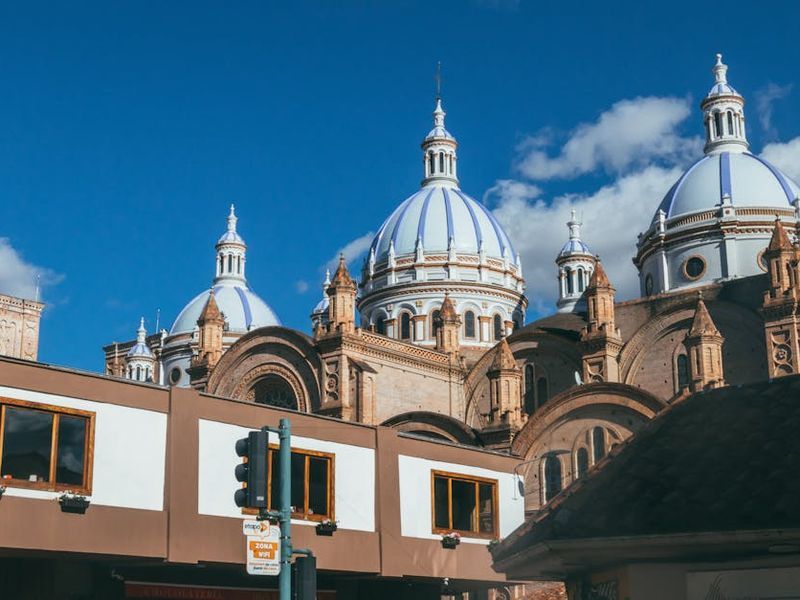
Begin at Parque Calderón—the heart of the Historic Center—where you can admire the towers of the imposing New Cathedral (Catedral de la Inmaculada Concepción). Just steps away is the Old Cathedral (Catedral Vieja), which now houses cultural exhibitions. Walk the riverside promenades and Calle Larga for boutique stores and cafés that line the Tomebamba.
Visit Museo Pumapungo to explore local archaeology and ethnography, including reconstructed indigenous dwellings and ancient artifacts. For sweeping city views, take a taxi up to Mirador Turi; it’s a classic spot for photos at sunset. For a different perspective, stroll along the Barranco neighborhood to see well-preserved colonial houses and riverside terraces.
Day trips and nearby escapes
Cuenca makes a great base for day trips to several unique destinations:
- El Cajas National Park — About a 45-minute to 1-hour drive to glacial lakes, highland ecosystems, and dramatic hikes. Dress warm and bring water and snacks.
- Gualaceo and Chordeleg — Famous for silverwork and woven goods; ideal for craft shopping and seeing traditional workshops.
- Ingapirca — The largest Inca archaeological site in Ecuador, where stonework and history provide insight into pre-Columbian life.
- Azogues and surrounding highland towns — For an authentic glimpse at rural life and local markets.
Organize day trips with reputable tour operators or via your hotel to ensure safe transport and knowledgeable guides.
Safety and common-sense precautions
Cuenca is regarded as one of Ecuador’s safer cities, but petty theft does occur. Use common-sense precautions: keep valuables secure, avoid isolated streets at night, and use a money belt or hidden pouch for passports and extra cash. Be cautious with ATM withdrawals—use machines inside banks where possible and cover your PIN.
When walking, especially after dark, stick to well-lit, populated areas like Calle Larga and the central plazas. If you’re out late, take an official taxi or request a ride through an app rather than walking long distances alone.
Festivals and timing your visit
Cuenca is lively with year-round cultural events. Semana Santa (Holy Week) brings processions and religious ceremonies, while local fiestas and market days add color throughout the year. If you want to experience crafts and markets at their best, plan around market days in towns like Gualaceo or Chordeleg. Keep in mind major holidays when booking accommodation—popular dates fill up fast.
Connectivity: Wi‑Fi and SIM cards
Wi‑Fi is widely available in hotels, cafés, and many public spaces. If you need reliable mobile data, buy a local SIM card from providers like Claro, Movistar, or CNT; present your passport when purchasing and choose a prepaid plan. If you’ll rely on ride-hailing or mapping apps, having local data will make life much easier.
Responsible travel: supporting local communities
Support local artisans by buying directly from markets and cooperatives—look for hand-woven textiles, silverwork from Chordeleg, and hats made in Ecuador. Respect fragile ecological sites by staying on designated paths in national parks, carrying out trash, and avoiding single-use plastics where possible. Learn a few phrases in Spanish and ask about the history and techniques behind crafts—locals appreciate curiosity and respect more than haggling down to the lowest price.
Final practical tips for a smooth first trip
- Carry small bills for taxis and market purchases; larger bills can be hard to change.
- Bring a photocopy of your passport and keep the original in a hotel safe when possible.
- Download offline maps of Cuenca and key phrases in Spanish for use without data.
- Try local foods at busy stalls—high turnover equals fresher ingredients.
- Ask at your hotel about safe routes and recommended taxis—concierge staff know current conditions.
Cuenca rewards travelers who take the time to slow down and explore its plazas, markets, and side streets. With a little planning—layered clothes, hydration, local cash, and a basic Spanish phrasebook—you’ll be ready to enjoy the city’s architecture, cuisine, and nearby natural wonders. Whether you’re exploring the museums, sipping coffee on a quiet terrace, or heading into the highlands, Cuenca invites curiosity and a relaxed pace—perfect for a memorable first visit.