
Table of Contents
Why Cuenca’s Markets Are a Must for Expats and Visitors
Markets in Cuenca are more than shopping destinations — they’re living museums of the country’s agricultural diversity and artisanal traditions. At altitude (about 2,500 meters), the southern highlands produce incredible potatoes, corn, fruits and dairy, while skilled artisans create everything from handwoven textiles to finely worked silver. For expats who want fresh food, reasonable prices, and authentic craftwork, the markets are indispensable.
How Markets Work Here: Practical Basics
Most of Cuenca’s markets operate early: vendors set up by 6:00–7:00 a.m. and start winding down after lunch, although some stalls stay open into the afternoon. Cash is king — carry small bills and coins — and plastic bags are common but increasingly discouraged, so bring reusable bags or a small tote. A friendly smile, basic Spanish, and a willingness to sample foods will take you far.
Timing and Hours
Arrive early for the best selection and friendliest prices, especially for seasonal produce. Afternoon visitors may find vendors already packing up and fewer choices. Specialty artisan markets often open later and run into the evening on weekends.
What to Bring
- Reusable bags and a small cooler if you plan to buy meat or dairy.
- Small bills (1, 2, 5, 10, 20 USD equivalent in local currency) and coins.
- Hand sanitizer and a cloth to wrap delicate items.
- Basic Spanish phrases: “¿Cuánto cuesta?” (How much?), “¿Es orgánico?” (Is it organic?), and “¿Me puede dar un descuento?” (Can you give me a discount?).
Top Local Market: Mercado 10 de Agosto (Mercado Central)
The Mercado 10 de Agosto, often called the central market, is the city’s busiest food hub. It’s where neighborhood cooks and restaurant owners shop for a huge variety of vegetables, fruits, cheeses and meats. Expect long rows of stalls stacked with potatoes — dozens of local varieties — plump tree tomatoes (tomate de árbol), avocados, and Andean corn. The air is a mix of fresh cilantro, roasting meat, and baking bread.
Why Go
It’s the best place to experience everyday Cuenca: affordable prices, a wide selection, and the chance to try market-produced foods like hornado (slow-roasted pork) and freshly baked bizcochos (crisp, savory pastries) from local bakers. If you’re stocking a kitchen, you’ll find everything from panela (unrefined cane sugar) to regional cheeses.
Tips for Shopping
- Buy produce by the kilo; vendors often weigh items in clear view. If you’re unsure, ask for help — many vendors are used to tourists and will point out the freshest picks.
- Look for farmers who bring produce in woven baskets or who label their goods as “productor” — you’ll likely get fresher items.
- Try market snacks: humitas (steamed corn tamales), empanadas, and a cup of hot canelazo if it’s cool outside.
Artisan Stalls around Parque Calderón and the Cathedral
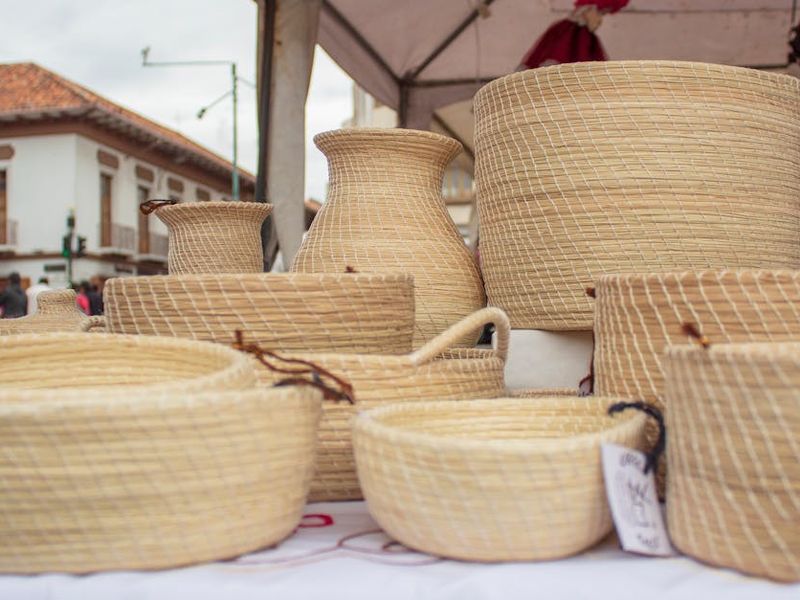
The historic center around Parque Calderón is dotted with permanent and pop-up artisan stalls selling classic Cuencan crafts: Panama hats (locally called paja toquilla), handwoven scarves and ponchos, leather goods and small silver pieces. Although this area is more tourist-oriented and prices can be higher, you’ll find good examples of the region’s craftsmanship and the convenience of being in the city center.
What to Look For
- Quality paja toquilla hats have tight, even weaving and a label indicating origin. Prices can range from modest to high depending on weave density and brand.
- Look for natural-dyed textiles and pieces that feel substantial; alpaca and sheep-wool items will be warm and soft.
- Small silver filigree items and tagua jewelry make excellent, easy-to-pack souvenirs.
Day Trips for Exceptional Markets: Gualaceo and Chordeleg
For expats willing to take a short bus ride outside of Cuenca, the nearby towns of Gualaceo and Chordeleg are market powerhouses. Gualaceo’s market is famous for fresh produce, leather goods and colorful textiles, while Chordeleg is internationally known for silver filigree jewelry and artisan workshops.
Why They’re Worth the Trip
These towns offer markets with lower prices and an opportunity to buy directly from artisan co-ops. On Sundays, both towns swell with vendors and visitors — perfect for a day trip to combine shopping with a taste of rural Ecuadorian life.
Practicalities
- Buses run regularly from Cuenca’s terminal; expect a one-hour ride to Gualaceo and slightly longer to Chordeleg depending on the route.
- Bring cash and be ready to stroll: markets can spread across several blocks.
- Consider buying directly from cooperative shops where purchases support local families and artisans.
Smaller Farmers’ Markets and Organic Stalls
Beyond the big markets, Cuenca has a growing scene of smaller, neighborhood farmers’ markets and organic sellers who focus on heirloom and certified organic produce. These pop-ups attract expats and locals who want pesticide-free vegetables, specialty cheeses, and artisan preserves.
Finding Them
Look for weekly “ferias” (fairs) advertised on local Facebook groups, community bulletin boards, or by asking at cafes frequented by expats. Some restaurants and cooperatives also sell organic produce by preorder, useful if you want specific items such as microgreens or fresh herbs.
What Seasonal Produce to Expect in Cuenca
Cuenca’s highland climate supports a surprising variety of crops year-round. Here are some ingredients you’ll see on market stalls and in local kitchens:
- Potatoes: dozens of local varieties in shapes and colors from pale yellow to deep purple.
- Corn: both sweet kernels and fresh choclo for humitas and mote.
- Tree tomato (tomate de árbol) and lulo: tart fruits used in juices and sauces.
- Avocados: smaller, creamy Andean varieties perfect for guacamole or salads.
- Fresh cheeses and dairy: local quesos and yoghurt, often sold without heavy packaging.
- Herbs: cilantro, culantro, and mountain-grown herbs that add a bright flavor to soups and stews.
Shopping for Crafts: Quality, Pricing and Ethical Buying
When buying handicrafts, consider quality indicators: tighter weaving in textiles, even seams and natural dyes, stamped or labeled silver for jewelry, and origins on Panama hats. Prices can be negotiable — start by offering 10–20% less than the asking price — but keep in mind fair payment for the artisan’s labor.
Support Cooperatives
Seek out cooperative stalls or shops that display artisan collective labels; these often ensure better wages and consistent quality. Some cooperatives provide information about the artisan’s community or a tag describing the materials and technique — a sign of responsible sourcing.
Foods to Try at the Markets
Markets are ideal for tasting local dishes. In Cuenca, don’t miss:
- Hornado: slow-roasted pork served with hominy and pickled onions, often sold from larger stalls.
- Llapingachos: potato patties stuffed with cheese and served with chorizo or fried egg.
- Humitas and tamales: steamed corn cakes wrapped in husks, sweet or savory.
- Fresh juices: try tree tomato, lulo or a mix with sugarcane for a refreshing boost.
Food Safety and Storage Tips for Expats
To enjoy market purchases safely, take a few precautions: wash and dry leafy greens thoroughly, cook vegetables when possible, and refrigerate dairy and meats promptly. If you don’t have immediate refrigeration, buy perishable items last and use a cooler bag. For longer-term storage, many expats freeze quantities of staple ingredients, buy block cheese to grate, and store root vegetables in a cool, dark place.
Making a Market Visit Part of Your Weekly Routine
Many local families shop several times a week for the freshest ingredients. If you want to integrate markets into an expat lifestyle, learn which stalls consistently sell the best produce, establish relationships with a few vendors, and time your visits for early morning bargains. Vendors often remember regular customers and may set aside particularly good items or offer small discounts.
Safety and Etiquette in Cuenca’s Markets
Cuenca is generally safe, but pickpockets can operate in crowded places. Keep valuables secure, use a money belt or inside pocket, and avoid displaying flashy electronics. Respectful behavior goes a long way: greet vendors with a quick “buenos días,” sample politely, and accept that haggling is normal but not aggressive. If a vendor says no to a lower offer, smile and move on — there are many sellers for similar goods.
A Sample Market Day Itinerary
Here’s a suggested way to spend a market-focused day in Cuenca:
- 7:00 a.m. — Start at the Mercado 10 de Agosto for vegetables, cheeses and a quick hornado breakfast.
- 9:00 a.m. — Walk to Parque Calderón to browse artisan stalls and compare Panama hats and textiles.
- 11:00 a.m. — Sip a fresh fruit juice and head to a cooperatively run shop or the Museo Pumapungo area for curated crafts.
- Afternoon — If it’s a Sunday, consider a short bus trip to Gualaceo or Chordeleg for larger markets and unique finds.
Final Tips: Make Markets Work for You
Markets are a brilliant way to save money, eat healthily and connect with the local culture. Learn the rhythm of Cuenca’s market week, favor vendors who source local products, and never underestimate the value of establishing a good rapport with sellers — a friendly relationship will reward you with better produce and insider tips on seasonal specialties. Whether you’re hunting for pantry staples, unique handcrafted gifts, or simply a memorable breakfast, Cuenca’s markets offer an unbeatable window into Ecuadorian life.
Happy market hunting — bring your appetite, your bargaining skills, and a reusable bag, and you’ll come away with fresh flavors and one-of-a-kind treasures.