
Table of Contents
Introduction: A New Era for Dental Imaging in Cuenca
Cuenca’s dental scene has evolved rapidly in recent years. From neighborhood practices near Parque Calderón to modern clinics in the city’s northern neighborhoods, many dentists now use digital dental x‑rays (radiografías dentales digitales). These systems are reshaping how dental problems are found, explained, and treated — benefiting residents and the growing expat community alike.
What Are Digital Dental X‑Rays?
Digital dental x‑rays replace traditional film with electronic sensors or phosphor plates that capture images and display them instantly on a computer. The most common types you will encounter in Cuenca include:
- Periapical and bitewing x‑rays for individual teeth and interproximal decay
- Panoramic (ortopantomograma) images that show the entire jaw in a single view
- Cone beam CT (CBCT) scans for 3‑D views used in implant planning and complex cases
Clinics often advertise “radiografía digital” or “radiología dental digital”; asking for these terms ensures you receive the modern option.
Key Advantages Over Film X‑Rays
Digital imaging has several advantages that are practical in everyday dental care in Cuenca:
- Lower radiation exposure: Digital sensors are more sensitive than film, allowing dentists to capture images with less radiation — an important advantage for children, pregnant patients (with precautions), and anyone needing repeated images.
- Instant results: Images show up immediately on the screen, so diagnosis and treatment planning can start during the same appointment.
- Enhanced image quality: Digital software improves contrast, zooms in on suspicious areas, and highlights structures that may be subtle on film.
- Better records and sharing: Digital files are easy to store, duplicate, and send by email or cloud — ideal for expats who move frequently or want second opinions from specialists abroad.
- Environmentally friendly: No chemical developing solution is required, reducing waste and chemical exposure.
How Digital X‑Rays Improve Diagnosis and Treatment
In practical terms, the advantages translate to better outcomes:
- Earlier detection of decay and infection: Enhanced contrast and magnification help dentists spot cavities between teeth or early bone loss that could be missed on older film systems.
- Clearer treatment planning: Panoramic and CBCT imaging provide the big picture for surgeries, root canals, and implants, which reduces surprises during procedures.
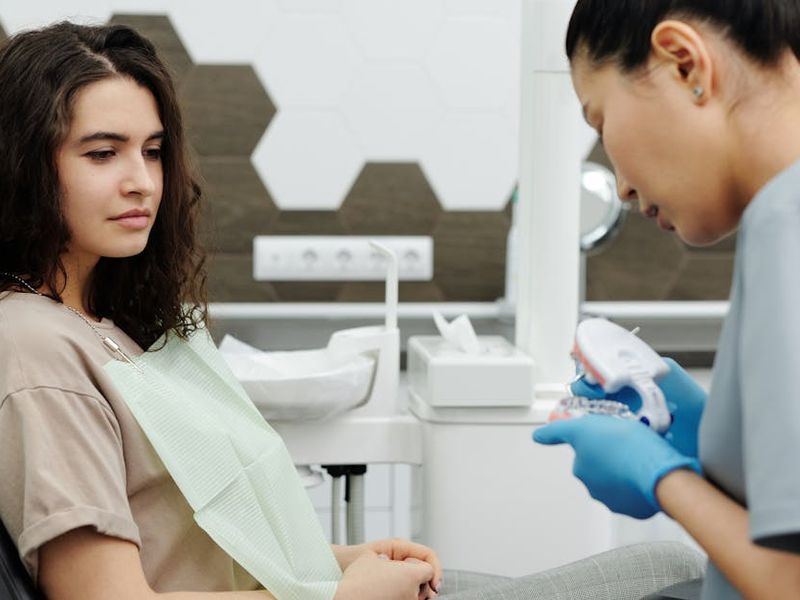
- Patient education: Patients can see the image on a monitor and better understand why a procedure is recommended, improving adherence to treatment plans.
Why This Matters for Expats and Long‑Term Visitors
Expats often face unique dental care challenges: moving between countries, limited transferable records, and language barriers. Digital x‑rays address many of these issues:
- Portable records: Ask for your images as JPEG, PDF, or DICOM files on a USB drive or by secure email. This makes it easy to bring your dental history to a new dentist anywhere in the world.
- Remote consultations: Dentists in Cuenca can share images quickly with specialists in Quito or abroad for second opinions — a huge advantage when considering complex treatments like implants.
- Language and explanation: Visual images simplify communication when Spanish is a second language. Many dentists will annotate images or show labeled diagrams to explain treatment in simple terms.
What to Expect During a Digital X‑Ray Appointment in Cuenca
The process is quick and similar across modern clinics. Typical steps include:
- Reception and brief medical/dental history — mention allergies, pregnancy, or health conditions.
- Lead apron and thyroid collar placement for added safety.
- Sensor placement for intraoral shots or positioning for a panoramic image.
- Image capture — most intraoral images take a few seconds and panoramic machines complete in under a minute.
- Immediate review with your dentist on a monitor; the dentist will point out findings and possible next steps.
Typical appointments last about 10–30 minutes depending on the number and type of images.
Safety Considerations and Best Practices
Digital x‑rays reduce radiation, but safety still matters. Here are practical precautions commonly followed in Cuenca clinics:
- Use of lead aprons and thyroid collars for all patients, especially children and pregnant women.
- Limiting images to what is clinically necessary, following the ALARA (As Low As Reasonably Achievable) principle.
- Regular maintenance and calibration of x‑ray equipment by certified technicians.
If you are pregnant or have concerns, speak openly with your dentist — many procedures can be deferred or adapted, and emergency care will be handled with additional safeguards.
Choosing a Clinic in Cuenca: Questions to Ask
Not all clinics are the same. When selecting a dentist in Cuenca who uses digital imaging, consider asking:
- Do you use digital sensors, phosphor plates, or panoramic machines? (Ask for “sensor digital” or “placas fosforadas” if in Spanish.)
- Can I have a copy of my images on a USB or sent by email? What file format will you provide? (DICOM is standard for high-quality transfer.)
- Do you offer CBCT if I am considering implants or complex surgery?
- How do you store patient records and how long are they retained?
- Are staff trained in radiation safety and does the clinic follow local public health regulations?
Many modern dental offices near central Cuenca and in newer medical corridors advertise these capabilities on their websites or Facebook pages — scan photos and services sections for terms like “radiografía digital,” “ortopantomograma digital,” and “CBCT.”
Costs and Insurance: What to Expect in Cuenca
Prices vary between private clinics and public institutions. A few practical tips:
- Panoramic and intraoral digital x‑rays are often offered as affordable diagnostic services; more advanced CBCT scans cost more due to equipment and interpretation time.
- If you’re enrolled in Ecuador’s public social security system (IESS), check coverage details for imaging — some procedures may be covered or subsidized through affiliated clinics.
- Private clinics typically accept cash, cards, and sometimes international insurance. Always ask about any additional fees for exporting images or expert interpretations.
Bringing previous dental records from your home country can also reduce repeat imaging and save costs.
Digital Files, Privacy and Record Keeping
Digital imaging makes record keeping easy but also raises questions about privacy and long‑term storage. When you request a copy of your x‑rays in Cuenca:
- Confirm how the clinic secures files and whether they use encrypted email for sending images.
- Ask how long the clinic retains records — Ecuadorian health regulations require retention of medical records for a defined period, but keeping your own copy is wise if you move frequently.
- Back up your files in multiple places: a local USB, a cloud account, and printed images if you prefer a paper copy.
Pediatric and Geriatric Considerations
Children and older adults can both benefit greatly from digital imaging in Cuenca:
- For children, the faster capture and reduced radiation make follow‑up imaging less stressful. Family dentists often keep pediatric sensors sized for small mouths.
- Older adults with complex restorative work or bone loss gain from panoramic views and, when appropriate, CBCT for implant planning and assessing bone quality.
Always ensure staff are experienced working with the age group of the patient — some clinics specialize in pediatric dentistry or geriatric oral health.
Tele‑Dentistry and Specialist Access
One of the biggest practical benefits of digital x‑rays in Cuenca is the ease of remote consultation. If a local dentist needs a specialist opinion:
- They can send digital images quickly to an endodontist, oral surgeon, or prosthodontist — locally or internationally — often receiving a review within hours.
- This speeds up decision‑making for treatments like root canals or implants and reduces the need for multiple in‑person referrals.
- Expats who travel can obtain a treatment plan in Cuenca, have images shared with their overseas dentist, and coordinate care seamlessly.
Practical Checklist Before Your Dental Visit in Cuenca
Use this short checklist to make the most of your visit:
- Bring any previous dental x‑rays and records (digital copies if possible).
- Ask for images in a transferable format (JPEG, PDF, or DICOM) and how they will be delivered.
- Confirm costs for imaging and whether a panoramic or CBCT is needed.
- Mention pregnancy, pacemakers, or other medical conditions to the staff before imaging.
- Request explanations in plain language or ask for annotated images if Spanish is a second language.
Final Thoughts: A Clearer Smile, A Smoother Experience
Digital dental x‑rays are more than a technological upgrade; they are a practical improvement that affects diagnosis speed, safety, record portability, and patient understanding. For residents and expats in Cuenca, these benefits translate into quicker appointments, better treatment outcomes, and easier coordination with specialists, whether local or international.
When choosing care, focus on clinics that offer clear communication, secure handling of digital files, and modern imaging options matched to your needs — and don’t hesitate to ask for your images to take with you. With the right approach, dental care in Cuenca becomes more transparent, efficient, and patient‑friendly.
Quick Spanish Phrases for Your Visit
- ¿Usan radiografía digital? — Do you use digital x‑rays?
- ¿Me puede enviar las imágenes por correo/USB? — Can you send the images by email/USB?
- ¿Necesito una panorámica o un CBCT? — Do I need a panoramic or CBCT?
- ¿Cuánto cuesta la radiografía? — How much does the x‑ray cost?
Embracing digital dental imaging in Cuenca is a smart step toward better oral health — whether you are a lifelong resident or new to the city. The technology provides clearer answers, safer procedures, and records that travel with you wherever life in Ecuador leads.