
Table of Contents
Introduction: Why Cuenca is on the Dental Map
Cuenca, Ecuador — with its cobblestone streets, mild climate and strong healthcare infrastructure — has grown into an international hub for dental care. For many people considering dental implants, Cuenca offers a mix of modern technology, experienced clinicians and prices that are often a fraction of what you’d pay in North America and parts of Europe. This article breaks down why dental implants in Cuenca can be a smart investment, what to expect, and how to plan your trip for the best outcome.
Dental Implants: What They Are and Why They Matter
Dental implants are titanium or zirconia posts surgically placed into the jawbone to replace missing tooth roots. They provide stable support for crowns, bridges or implant-retained dentures, restoring function and appearance far better than removable dentures. Implants help preserve bone, maintain facial structure and improve chewing efficiency — benefits that go beyond mere aesthetics.
The Big Financial Picture: Cost vs. Long-Term Value
One of the strongest reasons people travel to Cuenca for implants is cost. Ecuador uses the US dollar, which makes pricing transparent for international patients. Typical single-tooth implant packages in Cuenca often range from approximately $700 to $1,500 — including the implant body, abutment and crown — depending on the materials and clinic. By contrast, similar procedures in the U.S. or Canada frequently run $3,000–$6,000 or more per tooth.
That price gap doesn’t just save money today; it can make higher-quality options more accessible. Rather than choosing a lower-cost but temporary solution, many patients in Cuenca can opt for premium implants, advanced ceramic crowns or full-arch solutions like All-on-4 while still coming out ahead financially. When calculating value, factor in long-term durability: well-planned implants that are maintained properly often last decades.
Quality of Care: Modern Clinics and Trained Professionals
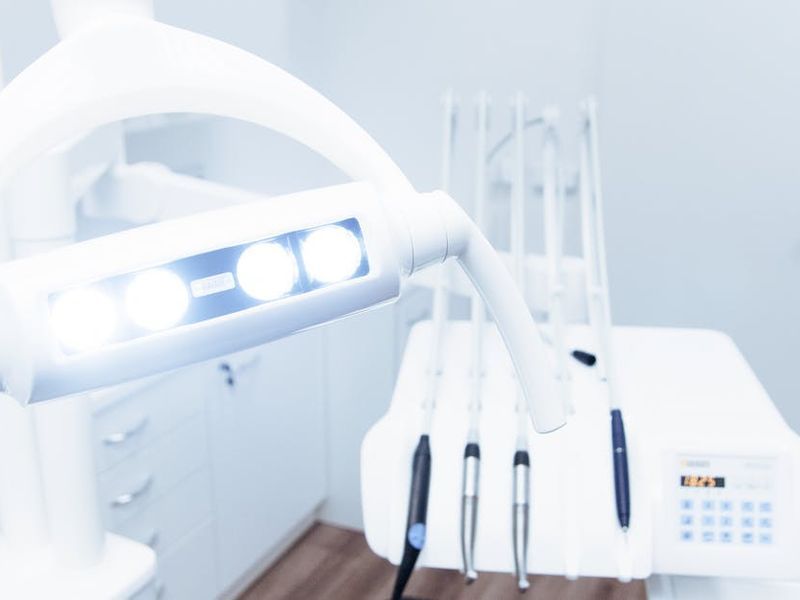
Cuenca has numerous private dental clinics equipped with modern diagnostic tools—digital X-rays, cone beam CT (CBCT) scanners and CAD/CAM technology for precise crown fabrication. The city is home to experienced implantologists, prosthodontists and oral surgeons, some who have trained abroad or regularly attend international conferences.
When choosing a clinic, look for providers who use CBCT for 3D treatment planning, offer guided implant surgery, and have restorative expertise (not just surgical experience). Ask to see before-and-after photos, case studies and patient testimonials. Many reputable clinics will provide digital mock-ups and work closely with local dental labs to create lifelike crowns in porcelain or zirconia.
Materials and Techniques: Options You’ll Encounter
Implant systems and restorative materials vary by clinic. The two most common implant materials are titanium (widely used, excellent track record) and zirconia (metal-free, appealing for patients with metal sensitivities or aesthetic concerns). Crowns are typically porcelain-fused-to-metal, full-ceramic porcelain, or solid zirconia. For full-arch rehabilitation, All-on-4 and similar immediate-load protocols are available at many Cuenca clinics.
Ask your dentist about the brand of implant and whether the clinic can share manufacturer documentation. Trusted global implant systems have long-term data on survival rates and warranties—important for peace of mind.
Travel Logistics: Planning Your Trip to Cuenca
Cuenca’s airport, Mariscal Lamar (CUE), connects to Quito and Guayaquil with frequent flights. International visitors often fly into Quito or Guayaquil and take a domestic connection to Cuenca. Many clinics will help arrange airport transfers and accommodation recommendations, and some even have patient coordinators to manage appointments and translation.
How long should you stay? That depends on your treatment. A single implant with a healing period can require multiple visits spread over months: initial consultation and imaging, surgery, healing for 3–6 months, then implant uncovering and crown placement. However, if your treatment plan involves immediate-load options or you already have diagnostic scans, it’s possible to minimize in-person visits. Discuss remote consultations and pre-treatment planning with your provider to reduce the number of trips.
Choosing the Right Clinic: Questions to Ask
- Do you use CBCT imaging and digital planning software?
- Which implant brands do you use and why?
- Can you provide references or before-and-after photos of similar cases?
- What are the steps in my treatment plan and an estimated timeline?
- Are there written warranties on implants and prosthetics?
- What sedation or anesthesia options do you offer?
- How do you handle complications or follow-up care for international patients?
Request written estimates that break down costs for surgery, implant components, bone grafts (if needed), abutments, crowns and follow-up visits. Clear communication up front prevents surprises and helps you compare clinics effectively.
Safety, Sterilization and Accreditation
High-quality clinics in Cuenca typically follow international sterilization protocols and use single-use surgical kits where appropriate. Ask about sterilization procedures, the use of autoclaves, and how staff are trained. While Ecuadorian dental licensure is regulated at a national level, many clinicians also pursue international certifications or participate in global implant manufacturer training programs—evidence of continued professional development.
Recovery and Aftercare: What to Expect in Cuenca’s Climate
Cuenca sits at roughly 2,500 meters (about 8,200 feet) above sea level and enjoys a temperate mountain climate. Most patients tolerate this well, though some find the reduced oxygen slightly draining in the first 24–48 hours after surgery. Tips for healing at altitude include staying well-hydrated, avoiding heavy exertion for a few days, and following your dentist’s post-op instructions closely.
Typical aftercare includes soft diet for several days, gentle saline rinses starting 24 hours after surgery, and prescribed antibiotics or anti-inflammatories if indicated. Your clinic should schedule follow-up checks and provide emergency contact information. If you plan to return home before final prosthetic placement, confirm arrangements for healing screws and temporary restorations and how your local dentist can liaise with your Cuenca clinic if necessary.
Warranty, Maintenance and Local Follow-Ups
Many Cuenca clinics offer warranties on implant surgeries and prosthetic work, but terms vary. Warranties often require adherence to maintenance schedules—professional cleanings, periodic X-rays and good oral hygiene. Ask whether small adjustments or remakes are included, and how replacements are handled for international patients. It’s also wise to establish a plan for future care: will your home dentist be able to order parts or liaise with the implant manufacturer if repairs are needed?
Combining Treatment with Recovery: Explore Cuenca Safely
Cuenca is a delightful place to recover between appointments. The historic center (El Centro) offers gentle walks along the Tomebamba River, shaded plazas like Parque Calderón, and quiet cafes in neighborhoods such as San Sebastián. Keep activities low-impact after surgery—strolls through the Parque de la Madre or visits to local museums are pleasant, low-stress options. Avoid high-intensity hikes or strenuous tours immediately after implant surgery.
Real People, Real Results: Expat Testimonials and Lessons
Expats often report positive experiences: attentive staff, cleaner facilities than expected, and significant savings. Typical lessons learned include the importance of comprehensive pre-trip communication (send dental records and photos), confirming the full cost upfront, and planning a flexible schedule in case additional treatments like bone grafts are needed. Many patients also say they appreciated clinics that offered English-speaking coordinators or translators.
Common Myths and Misconceptions
Myth: “Dental implants in Cuenca are low quality.” Reality: Many Cuenca clinics use internationally recognized implant systems and materials and follow strict sterilization protocols. The key is vetting credentials and technology rather than assuming quality from the location alone.
Myth: “You must stay months in Cuenca.” Reality: While some treatment plans require staged visits, many clinics offer immediate options and remote planning to reduce travel. Early communication and thorough planning help keep visits efficient.
Practical Checklist Before You Go
- Collect recent dental X-rays and any relevant medical history to send to prospective clinics.
- Ask for a written treatment plan, timeline and detailed cost estimate.
- Confirm which implant brand and restorative materials will be used.
- Arrange comfortable accommodation near your clinic—El Centro and San Sebastián are convenient.
- Plan for local transportation: taxis are plentiful and most clinics can arrange pick-ups.
- Verify aftercare contacts, emergency procedures and warranty terms in writing.
- Pack OTC pain meds you normally use, and a travel-sized oral rinse for comfort.
Final Thoughts: Is It Worth It?
Choosing dental implants in Cuenca can be a very smart investment when you do your homework. The city offers modern clinics, skilled clinicians, and cost savings that make high-quality implant options attainable. With careful planning—vetting clinics, arranging clear communication, and scheduling follow-up care—you can restore your smile while enjoying one of Ecuador’s most charming cities. Whether you’re an expat living in Cuenca or traveling there specifically for treatment, implants done right can last decades and significantly improve your quality of life.
Next Steps
If you’re considering implants, start by collecting your dental records and scheduling virtual consultations with two or three Cuenca clinics. Compare treatment philosophies, materials and guarantees, and don’t hesitate to ask for patient references. With the right team and a sensible plan, Cuenca may be the place where you regain both function and confidence — for a fraction of the cost you might expect back home.