
Table of Contents
Why Cajas National Park is Cuenca’s Best Day Escape
Just a short hop from colonial Cuenca lies one of Ecuador’s most dramatic highland landscapes: Cajas National Park. With rolling páramo, hundreds of mirror-like lagoons and rugged peaks that rise above 4,000 meters, Cajas feels like another world. For visitors based in Cuenca, a day trip here offers crisp air, easy-to-moderate hikes, striking photo ops and a chance to experience the high Andes without a multi-day expedition.
Basics: Where Cajas Is and What to Expect
Cajas National Park sits roughly northwest of Cuenca and is reachable in about 30–60 minutes by car depending on which entrance you use. The park spans alpine elevations from about 3,100 to 4,450 meters, so expect cold, thin air and rapidly changing weather. Temperatures can swing from sunny and mild to windy, wet and near-freezing within a few hours — layers are essential.
Landscape and natural highlights
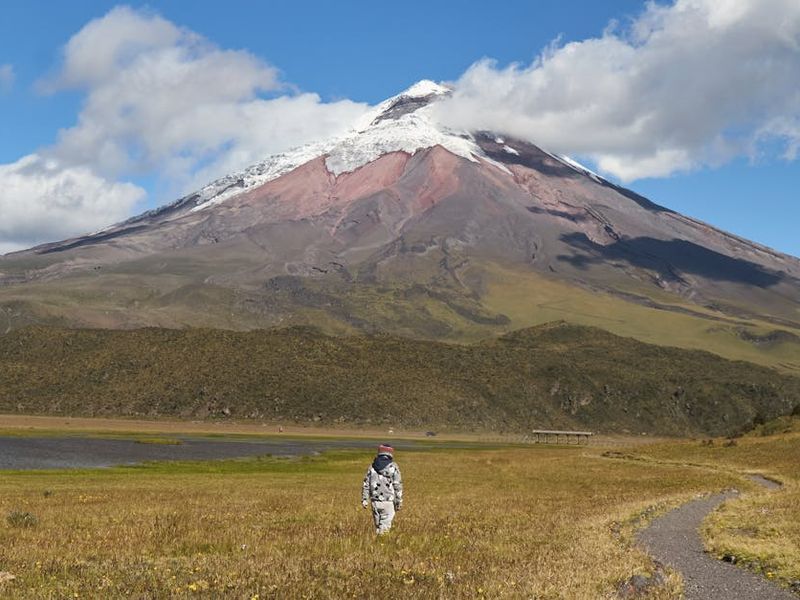
The park is famous for its páramo ecosystem — grass- and shrub-dominated highlands punctuated by peat bogs and lagoons. Over two hundred lakes and ponds dot the terrain, creating dramatic reflections and colorful wetland flora. You’ll also find pockets of Polylepis (paper tree) remnants, cushion plants, and the tall rosette plants known locally as frailejones.
Getting There: Options from Cuenca
There are three practical ways to reach Cajas from Cuenca: self-drive, public transport, or a guided tour. Pick the option that matches your comfort with mountain driving, time, and budget.
1. Drive yourself
Renting a car gives you the most flexibility. The paved road climbs quickly out of the city into highland scenery; allow 45–60 minutes. Driving is straightforward in good weather, but watch for strong winds, fog and sharp turns. Park at an official trailhead or visitor area and pay any entrance fees at the park office.
2. Public transport
For budget travelers, local minibuses and colectivos run from Cuenca to towns near the park. Depart from the main bus terminal or ask at your hotel for the latest departure points. These buses are very affordable (a few dollars one-way) but schedules vary and they may not stop at the precise trailhead you want. Expect an earlier start and a longer total travel time.
3. Guided day tours
Countless tour operators in Cuenca offer half-day and full-day trips to Cajas. Guided tours are ideal if you want transport, local knowledge, and a pre-planned route. Tours usually include a bilingual guide, pickup from central Cuenca, and stops at scenic viewpoints and lagoons. Prices vary; compare reviews and what’s included before booking.
Choosing Your Hike: Routes for Every Ability
Cajas has trails ranging from gentle lakeside walks to all-day treks over higher passes. Here are three sample options to match time and fitness.
Short and scenic (1–2 hours)
Choose an easy loop around a nearby lagoon for gentle elevation and lots of photo opportunities. These short trails are perfect if you want a taste of the park without serious exertion — ideal for families with kids or travelers acclimating to altitude.
Half-day loop (3–5 hours)
A popular option is a moderate loop linking several lagoons and highland vistas. Expect uneven footing, some boggy sections and short climbs. Stop for a picnic on a sheltered bank and keep an eye out for waterfowl and Andean geese.
Full-day trek (6–9 hours)
For active hikers, longer treks cross ridgelines and reach higher lakes and viewpoints that reward effort with panoramic vistas. These routes require good footwear, stamina and careful planning — weather can turn quickly at higher elevations.
Wildlife and Birding: What You Might See
Though the páramo looks sparse, Cajas is alive with wildlife adapted to high altitude. Common sightings include Andean geese, ducks, coots and a variety of waterfowl around lagoons. Hummingbirds frequent sheltered patches, and small mammals such as viscachas (rabbit-like rodents) can be coaxed into view on rocky outcrops.
Birdwatchers can also watch for raptors and, on rare occasions, larger species like the Andean condor. Spectacled bear sightings are very rare but possible — always keep distance and never attempt to feed wild animals.
Practical Tips: Altitude, Safety and Comfort
Cajas sits significantly higher than Cuenca (Cuenca itself is about 2,560 meters), so if you’re sensitive to altitude, take precautions. Symptoms can include headache, fatigue and shortness of breath.
- Acclimatize: Spend a day or two in Cuenca before hiking Cajas if you’ve recently arrived to Ecuador.
- Hydrate and eat: Drink water and eat carbohydrate-rich meals. Avoid heavy drinking the night before.
- Layer up: Bring a warm base layer, fleece and waterproof shell. Gloves and a hat are helpful even in daytime sun.
- Footwear: Waterproof hiking shoes with decent grip make muddy bog crossings much easier.
- Park safety: Stick to marked trails, check weather before you go, and tell someone your plan if you head off alone.
What to Pack for a Day Trip
A simple, well-planned pack makes the day comfortable. Essentials include:
- Water (at least 1–2 liters per person) and snacks or a picnic lunch.
- Layered clothing and a compact rain jacket. The sun is strong at altitude — include sunscreen and sunglasses.
- Good hiking shoes and trekking poles if you use them. Many paths are rocky or wet.
- Binoculars and camera for birding and landscape photography. A spare battery or power pack can be handy.
- Cash (small bills) for entrance fees, local snacks or tipping guides; some remote points don’t accept cards.
Timing Your Visit: Best Time of Year and Day
Unlike lowland rainforests, Cajas experiences a distinct dry and wet rhythm. The dry months (June–September and December–January) generally offer clearer skies and easier hiking. The rainy season (February–May) brings more dramatic clouds and wildflower displays but also muddier trails and occasional road closures.
For lighting and photography, late afternoon can produce golden tones across the páramo and calm winds that smooth lagoon surfaces. However, mornings sometimes offer spectacular inversions where clouds fill the valleys below; both times have rewards.
Sustainable and Respectful Travel in Cajas
Preserving Cajas’ fragile ecosystems is essential. Follow these simple practices to minimize your impact:
- Stay on designated trails to avoid damaging peatlands and fragile plants.
- Pack out everything you bring in — there are few trash facilities in the park.
- Use local guides to support surrounding communities and to gain deeper insight into the landscape and its conservation needs.
- Respect wildlife by observing from a distance and avoiding any interaction that changes their behavior.
Combining Cajas with a Cuenca Itinerary
A day in Cajas pairs well with other Cuenca experiences. Start early with a park visit and return to the city for an afternoon exploring the historic center, the riverside promenade or the Museo Pumapungo. If you prefer a slower pace, consider an overnight in one of the small mountain lodges or hosterías near the park for stargazing and sunrise over the lagoons.
Sample half-day schedule
6:30 — Depart Cuenca (early pickup from hotels or central meeting point)
8:00 — Arrive at park visitor area, quick briefing
8:15–12:30 — Hike a scenic loop, picnic at a lagoon
13:30 — Stop at a viewpoint or local market on the way back
15:00 — Return to Cuenca with time for afternoon sightseeing
Local Resources and Final Advice
Before you go, stop by a local tourist agency or your hotel reception in Cuenca for the latest trail conditions and weather updates. Many guides and agencies can provide bilingual services, and hiring a local guide adds both safety and cultural insight.
Whether you prefer a leisurely lakeside stroll, a vigorous highland trek or a photography-focused expedition, Cajas National Park is an accessible and rewarding escape from Cuenca. Plan your day with respect for the fragile páramo, dress for rapidly changing weather, and leave plenty of time to simply breathe the highland air and soak in views that feel uniquely Andean.
Ready to go? Fill a thermos, pack a good jacket, and set your sights on the lagoons — Cajas’ highland magic awaits just beyond Cuenca’s cobblestones.