
Table of Contents
Why Cuenca’s Pace Feels Different
Cuenca, Ecuador blends colonial charm, Andean geography, and a long-standing cultural preference for a measured tempo of life. The city center around Parque Calderon hums quietly with pedestrians, the Tomebamba River walks invite lingering, and small businesses often prioritize relationships over speed. For newcomers used to constant rush, this slower rhythm can feel restorative — or frustrating. Learning to adapt intentionally will make your experience here richer and less stressful.
First 30 Days: Small Habits That Make Big Differences
The first month sets the tone. Rather than trying to reproduce your home routine exactly, experiment with small changes that align with the city’s day-to-day flow. Start with these practical moves:
- Establish a morning walk along the Tomebamba River or around Parque Calderon to orient your day to natural light and local activity.
- Explore a neighborhood market, like Mercado 10 de Agosto, for fresh produce and friendly bargaining practice.
- Visit a favourite cafe on Calle Larga or near the Museo Pumapungo; these spots double as community hubs and quiet workspaces.
- Block off long lunches in your calendar. Many locals take a substantial midday break; honoring this rhythm reduces friction with shops and services that close or slow down around lunchtime.
Practical Daily Routines to Sync with Local Life
Cuenca’s temperament invites routines that feel more human-scaled than hyper-efficient. Consider reshaping your day like this:
- Early morning: Run errands, hit the market, or take in a view at Turi before crowds form.
- Midday: Enjoy a leisurely lunch. Restaurants are lively from noon to 2:30 pm; this is the social pulse of the day.
- Afternoon: Schedule appointments or work sessions after 3 pm — many offices are fully staffed by then following lunch pauses.
- Evening: Take a walk near the darkening riverfront and sample street food or a small restaurant; nightlife is calm compared to larger cities.
These shifts help you avoid frustration and also let you appreciate the rhythms that make Cuenca special.
Learn the Social Codes: Greetings, Punctuality, and Pace
Understanding social norms accelerates acceptance. In Cuenca you’ll notice a few repeated patterns:
- Warm greetings: People value polite, friendly interactions. A simple buen día or buenas tardes is appreciated.
- Punctuality is flexible: Appointments may start 10-20 minutes late; keep this in mind for casual meetings. For legal or medical appointments, arrive early and be patient.
- Polished patience: Conversations and service interactions are often unhurried. If you move too quickly, you might come across as abrupt.
Neighborhoods and Where to Base Yourself
Choosing a neighborhood influences how quickly you adapt. Here are a few options depending on lifestyle preferences:
- Historic Center near Parque Calderon: Ideal if you want short walks to cafes, museums like Pumapungo, and colonial architecture. Expect more tourists and higher rents.
- Calle Larga/El Centro: A lively cultural spine with bookstores, galleries, and boutique shops — great for social life and language practice.
- Turi and the hill neighborhoods: If you prefer quieter residential streets and a view, Turi provides panoramic outlooks and slower evenings.
- Suburban neighborhoods: Offer more space and lower rent but require bus or taxi rides to central attractions.
Visit a few areas for extended periods before signing a long lease so you truly feel the daily tempo.
Getting Around: Buses, Trams, and Taxis
Cuenca’s public transit supports a slower lifestyle rather than a hurried commute. The Tranvía de Cuenca (tram) and the extensive bus network keep fares low, while taxis are inexpensive for short rides. A few tips:
- Use the tram for quick trips across town; it’s reliable and affordable.
- Public buses are cheap and frequent; have small change ready and ask locals about routes.
- For late-night returns or heavy grocery runs, use licensed taxis; agree the fare or ensure the meter is running.
- Walk when possible — many of Cuenca’s best discoveries happen on foot along the river and through plazas.
Shopping Smart: Markets, Bakeries, and Local Finds
Embracing the local shopping culture speeds up your adaptation and usually saves money. Practical tips include:
- Buy produce at neighborhood markets for fresher, cheaper fruits and vegetables than supermarkets.
- Explore panaderías (bakeries) each morning for fresh bread — a daily ritual for many locals.
- For artisanal goods like wool items and toquilla hats, check artisan stalls near Calle Larga or the markets around Parque Calderon.
- Learn basic price phrases in Spanish to negotiate respectfully; many vendors expect polite bargaining on non-fixed-price items.
Healthcare, Wellness, and Altitude Adjustments
Living at about 2,560 meters means your body will need some time to adjust to Cuenca’s thinner air. That said, many newcomers adapt smoothly with a few precautions:
- Take it easy for the first few days — light activity, plenty of fluids, and sunscreen (sun can be strong despite cool temps).
- Layer clothing daily; mornings and evenings can be cool while midday is mild.
- Cuenca has a range of healthcare options, from public hospitals to private clinics. Expect good, affordable care compared to North America and Europe.
- Find a trusted primary care doctor and a pharmacy near your neighborhood; pharmacists can be helpful for minor ailments.
Language and Integration: Go Beyond Tourist Spanish
Even a modest investment in Spanish pays huge social dividends. Practical ways to ramp up language skills:
- Enroll in a local language school or take private tutors who focus on conversational Spanish used in daily life.
- Attend language exchange meetups — many cafes host evening tandems where locals and expats swap language practice.
- Practice phrases specific to interactions you’ll use often, such as at markets, taxis, and medical visits.
- Joining volunteer projects or local clubs is one of the fastest ways to learn through meaningful relationships.
Building a Social Life Without Rushing It
Cuenca rewards slow social cultivation. Here are realistic steps to make friends and feel rooted:
- Start with regular public spaces — a cafe where baristas remember your name or a park bench along the Tomebamba.
- Join hobby groups: art classes, walking clubs, or language tandems provide structured ways to meet people.
- Attend cultural events and small concerts; Cuenca has a lively cultural calendar focused on local arts and music.
- Connect with established expat groups for practical advice, then branch out into mixed local-expat activities to deepen cultural ties.
Money Matters: Budgeting in a Slower Place
Cuenca uses the US dollar, which simplifies many financial considerations. Typical cost elements to keep in mind:
- Housing: Rents vary by neighborhood. Central apartments cost more but reduce commute time, while outskirts provide more space for the same money.
- Food: Market shopping and local eateries keep food costs low; eating out at mid-range restaurants is still affordable compared to many Western cities.
- Utilities and services: Expect modest utility bills; tipping and service culture is more modest but appreciated for good service.
- Cash culture: Keep small bills and change handy for markets and local transit.
When the Slow Pace Tests Your Patience
Even after months, you may encounter moments when the relaxed approach collides with your deadlines or expectations. Here’s how to manage those times:
- Plan buffer time for appointments and deliveries; don’t schedule back-to-back tasks that require strict timing.
- Use coworking spaces or cafes with reliable Wi-Fi when you need focused work time and predictability.
- Set clear expectations with service providers—politely express deadlines and confirm them in writing if necessary.
- Keep a shortlist of fast-service restaurants and services for days when you need efficiency.
Day Trips and Recharge Spots
One of the joys of living in Cuenca is how quickly you can escape to nature or charming nearby towns. When the city feels too slow or too fast, consider these restorative outings:
- Cajas National Park: Highland lakes and hiking trails offer crisp air and panoramic scenery.
- Turi lookout: A short ride up to views over Cuenca that help you appreciate the city’s layout and scale.
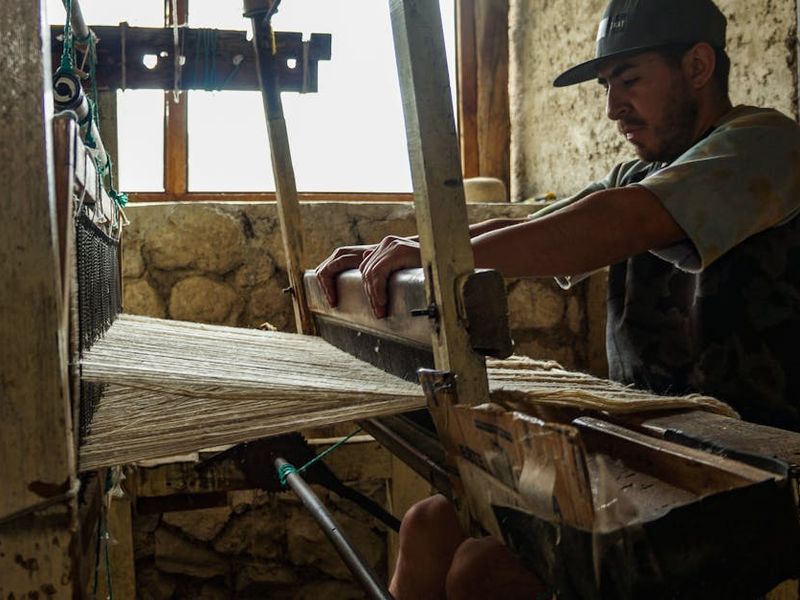
- Local artisan towns: Visit nearby villages for pottery, weaving, and toquilla hat workshops — great for weekend immersion.
Final Thoughts: Balance Patience with Purpose
Adapting to Cuenca’s peaceful tempo is less about giving up ambition and more about choosing different measures of success. Practice patience in daily interactions, build routines that honor the local schedule, and invest in Spanish and social connections. You don’t need to accept everything uncritically; instead, pick the parts of the relaxed lifestyle that nourish you and design strategies to handle moments when efficiency matters.
Over weeks and months, the slow cadence of Cuenca often shifts from novelty to comfort. You’ll discover that being deliberate in how you adapt — not passive — makes the city’s tranquility a resource, not an obstacle. Embrace the slower mornings, savor long lunches, and let the riverfront walks remind you that a life lived at human speed can be deeply fulfilling.
Practical checklist: find a neighborhood you enjoy, set up a regular cafe or market visit, learn the local transit routes, schedule long lunches, get a Spanish tutor, and prioritize health and rest during the first weeks. With these steps, you’ll find the balance between being productive and savoring Cuenca’s generous pace of life.