
Table of Contents
Why Cuenca Feels So Unhurried
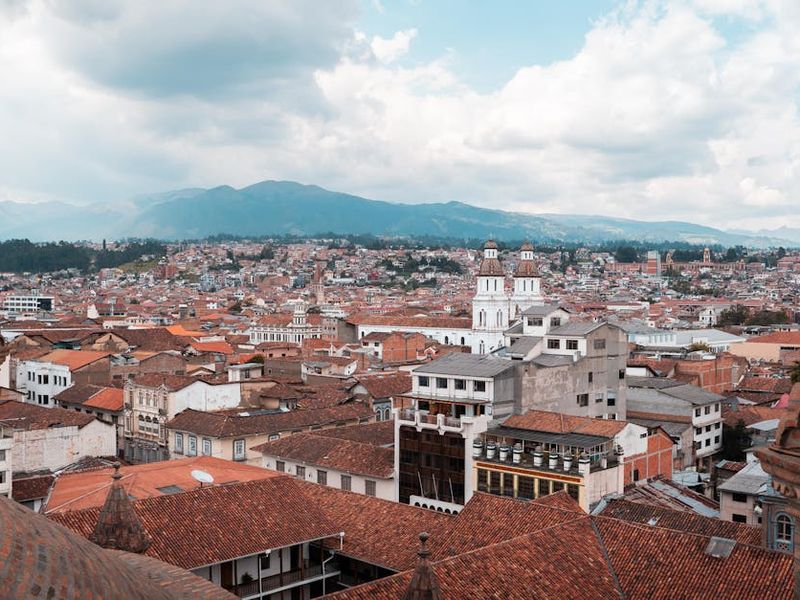
Cuenca has a reputation for calm: a UNESCO-listed historic center, tree-lined riverbanks, blue-domed cathedrals, and a climate that locals call “eternal spring.” The city sits at roughly 2,560 meters (about 8,400 feet) above sea level, and that elevation shapes daily life—people move at a gentler pace, markets open later, and an appreciation for small rituals (tea in the late afternoon, a long paseo after dinner) is common. If you’re arriving from a fast-paced metropolis, the transition can feel restorative—but also disorienting.
Adjusting Your Mindset: Embrace Slower Time
First, accept that Cuenca’s clock is different. Many businesses close for a couple of hours in the early afternoon, and evenings are often more relaxed than what you might be used to. Start by setting small goals: trade frantic multitasking for a single focused task each morning, or plan one leisurely outing per day—an espresso by the Tomebamba River or a slow browse through the artisan shops near Parque Calderón.
Reframe “waiting” as an opportunity. If you find yourself standing in line at a panadería or pharmacy, use that time to practice Spanish phrases, people-watch, or simply enjoy being present. Treat the city’s pace as a feature, not a bug.
Practical Daily Tips: Routines That Fit Cuenca
Routines help bridge the comfort gap between your former lifestyle and Cuenca’s. Here are practical adjustments to make your days flow:
- Morning: Start with a walk along the Tomebamba River or a quick coffee at a neighborhood café. The air is crisp and the light in the morning is beautiful—use it.
- Midday: Expect a lull. Many shops and offices take a break between 1–3 pm. Schedule errands for the late morning or late afternoon.
- Evening: Dinner tends to be earlier and more relaxed—great for trying small plates at local restaurants or cooking at home with fresh market produce.
Keep a flexible agenda. Long lunch breaks are an opportunity: join a Spanish class, visit a museum, or nap if you need to recover from altitude strain.
Getting Around: Walk, Bike, or Take a Taxi
One of the easiest ways to feel at home is to adopt Cuenca’s transportation rhythm. The historic center is compact and extremely walkable—perfect for daily errands. Walking also helps you notice details: colonial facades, artisan workshops, and small plazas that become focal points for neighborhood life.
If distances are longer, taxis are plentiful and affordable; many drivers won’t speak much English, so having basic Spanish or your destination written down is handy. Buses are cheap but can be crowded and irregular; they’re best if you enjoy practicing Spanish and blending into daily local life.
For an active option, many expats use bicycles for short trips. The terrain can be hilly, so an e-bike or a bike with multiple gears makes the experience more pleasant.
Where to Live: Neighborhoods That Match the Pace
Choosing the right neighborhood can determine how quickly you adapt. If you like being in the heart of things, El Centro (the historic center) places you within walking distance of cafés, markets, churches, and cultural events—ideal for nightly promenades and spontaneous socializing.
If you prefer quieter residential streets, look toward neighborhoods that offer a balance of green space and services. Areas on the city’s periphery provide quieter evenings and more local life, while still keeping cultural amenities within reach.
Visit neighborhoods at different hours to get a feel for traffic, noise levels, and where local markets and services are located. Local Facebook or community groups can be great resources for rental listings and insider tips.
Eating and Shopping: Slow Food, Fresh Markets
One of the joys of living in Cuenca is access to fresh produce and local cuisine. Weekly markets and neighborhood panaderías (bakeries) are places to build rituals: buy fresh fruit, try regional cheese, and sample baked goods while chatting with vendors. Popular local specialties to try include hornado (roast pork), llapingachos (potato patties), and, if adventurous, cuy (guinea pig) served at traditional restaurants.
Look for corner bakeries where locals gather for mid-morning coffee or late-afternoon tea. These small rituals help you feel anchored to a community. If you enjoy cooking, explore markets for native vegetables and herbs; many expats report that cooking at home is an affordable and comforting way to meld the local pace into daily life.
Health, Altitude, and Daily Energy
The elevation in Cuenca affects many newcomers. You might feel short of breath, experience mild headaches, or tire more easily for the first week or two. Pace yourself: avoid strenuous exercise during your initial days, hydrate well, and eat lightly until you feel comfortable.
If you have a pre-existing condition or plan strenuous hiking (Cajas National Park is a popular day trip with high-altitude trails), consult a healthcare provider before travel. Local medical clinics and pharmacies are accessible in the city, and many doctors speak English, but having basic Spanish will help in smaller clinics.
Social Life: Finding Community Without Rushing
Cuenca’s social rhythm rewards slow, consistent engagement. Join a weekly Spanish conversation group, enroll in an art or cooking class, or volunteer at local community centers. These recurring commitments build relationships more naturally than one-off events.
Regularly visiting the same café or market stall helps you develop friendly rapport with locals. Invite neighbors to a casual potluck or meet other expats for a Sunday paseo; consistency fosters deeper connections in a city that values face-to-face interaction over speed.
Work-Life Balance: Remote Work Tips in a Relaxed City
If you’re working remotely, create a clear boundary between work and leisure. Cuenca’s relaxed vibe can tempt you to postpone work—set a routine that matches local rhythms. For example, work in concentrated morning blocks when your energy is highest, take a long midday break for a walk or market visit, and finish with a lighter afternoon session.
Co-working spaces and cafés with reliable Wi-Fi are available in the city center. Many expats prefer co-working for structure and daily interactions. Remember that power outages or intermittent internet can happen; a portable battery and a local SIM card with data can keep you productive.
Language: Small Steps Lead to Big Comfort
Learning Spanish is the fastest route to feeling at home. Start with survival phrases: greetings, directions, ordering food, and basic shopping vocabulary. Most locals appreciate even a few learned phrases and will respond warmly.
Practice with neighbors, market vendors, and service providers. Consider hiring a tutor for targeted exercises, or take classes at a local language school. Language exchanges—where you teach English in return for Spanish practice—are a cost-effective and social method to accelerate learning.
Cultural Rhythms: Festivals, Church Bells, and Slow Sundays
Cuenca’s calendar is full of traditional celebrations—religious festivals, artisan fairs, and cultural events. These are excellent opportunities to experience how the city slows down and comes together. Sundays are often quieter; families take the afternoon paseo (stroll) and many small shops close early.
Pay attention to local hours around national holidays—many businesses and government offices close for multi-day observances. Planning ahead for bus trips or appointments around these days keeps disruptions minimal.
Safety and Common-Sense Precautions
Cuenca is considered one of Ecuador’s safer cities, but common-sense precautions apply. Keep an eye on personal belongings in crowded areas, avoid poorly lit streets at night, and secure your home with basic locks. Building a network of neighbors and local contacts helps: they’ll alert you to any area-specific concerns and offer practical advice.
Leisure Ideas to Internalize the Slow Pace
Fill your free time with activities that match Cuenca’s tempo. Some ideas include:
- Walking the riverside paths of the Tomebamba and watching artisans at work in the Barranco area.
- Visiting Museo Pumapungo and the adjacent archaeological ruins for a slow cultural afternoon.
- Taking a sunset trip to Mirador de Turi for city views and relaxed reflection.
- Exploring Cajas National Park in a measured way—short hikes, picnic breaks, and birdwatching.
These activities are restorative and help you align your internal pace with the city’s external rhythm.
Money and Services: Small Practicalities
Settle routine tasks into your weekly plan: bank visits, bill payments, and SIM-card purchases. Banks usually require an ID and sometimes paperwork from rental contracts; pharmacies and clinics typically accept cash and cards. Local markets operate mostly on cash, so carry small bills when you shop for produce.
For longer-term stays, arrange a dedicated day to sort documentation: residency appointments, local utilities, and renter’s agreements. Doing these tasks steadily—rather than rushing through them—minimizes stress and aligns with local administrative rhythms.
Sample Weekly Rhythm for Newcomers
Adopting a gentle weekly routine helps you blend into Cuenca life. Example:
- Monday: Language class in the morning; neighborhood grocery shopping in the afternoon.
- Tuesday: Work blocks with a long midday market break; evening paseo by the cathedral.
- Wednesday: Cultural outing to Museo Pumapungo or an artisan workshop.
- Thursday: Co-working day and social meetup in the evening.
- Friday: Short hike or day trip planning for the weekend; dinner with friends.
- Saturday: Explore a new neighborhood, visit a farmers’ market, try a new restaurant.
- Sunday: Slow morning, late lunch, sunset at Mirador de Turi or a riverside walk.
Final Thoughts: Letting Your Pace Evolve
Adjusting to Cuenca’s relaxed lifestyle is less about forcefully slowing down and more about gently reshaping daily habits. Over time you’ll find a rhythm that fits—one shaped by morning light over the Tomebamba, market conversations, and the ease of slow meals. Embrace curiosity, maintain small routines, and let the city’s calmness recharge you rather than frustrate you.
With patience, practical planning, and a willingness to try local rituals, you’ll find that Cuenca doesn’t ask you to stop doing—it asks you to do differently. And once you settle into that difference, the rewards are small, steady, and deeply satisfying.