
Table of Contents
Why Cuenca is Perfect for Budget Travelers
Cuenca, Ecuador’s UNESCO-listed jewel, is a compact, walkable city that rewards slow exploration. Its colonial core, riverfront promenades and lively markets offer rich experiences without a constant need for cash. If you’re traveling on a tight budget and want culture, scenery and authentic local life, Cuenca delivers — often for free.
Start in the Heart: Parque Calderón and the Historic Center
No visit to Cuenca is complete without lingering in the historic center around Parque Abdón Calderón (often called Parque Calderón). The broad plaza is flanked by the New Cathedral with its sky-blue domes and the smaller Old Cathedral. Strolling here is free and endlessly rewarding: street musicians, artisan stalls, family gatherings and impromptu performances are common.
Practical tip: go early in the morning for cooler air and quieter streets, or after sunset to see the domes lit up. Bring a camera — the cathedral domes are iconic and make excellent photos at any hour.
Walk the Tomebamba River: The City’s Best Free Stroll
The Tomebamba River cuts through Cuenca and offers some of the city’s most charming riverside walks. Stone bridges, well-kept promenades and terraced gardens line the banks. Walking here connects you with neighborhoods, cafés, and viewpoints all without spending a cent.
What to look for: shady benches, riverside murals, and the traditional red-tiled houses that perch above the water. Many locals take evening walks here, so it’s also a great place to people-watch and observe daily Ecuadorian life.
Explore the Neighborhoods: El Barranco, San Sebastián and the Artisan Streets
El Barranco is the neighborhood along the river with narrow streets and colorful houses. Wander its alleys and you’ll find small plazas, craft stalls and local bakeries. Nearby, the San Sebastián area has a slightly quieter, bohemian feel with street art and little community parks.
Don’t miss the artisan stalls that spill into pedestrian streets near the central plaza — you can browse beautifully made ceramics, panama hats and textiles without obligation. Even if you don’t buy, watching artisans and chatting with vendors is a free cultural lesson.
Free Views Over the City: Turi and Other Lookouts
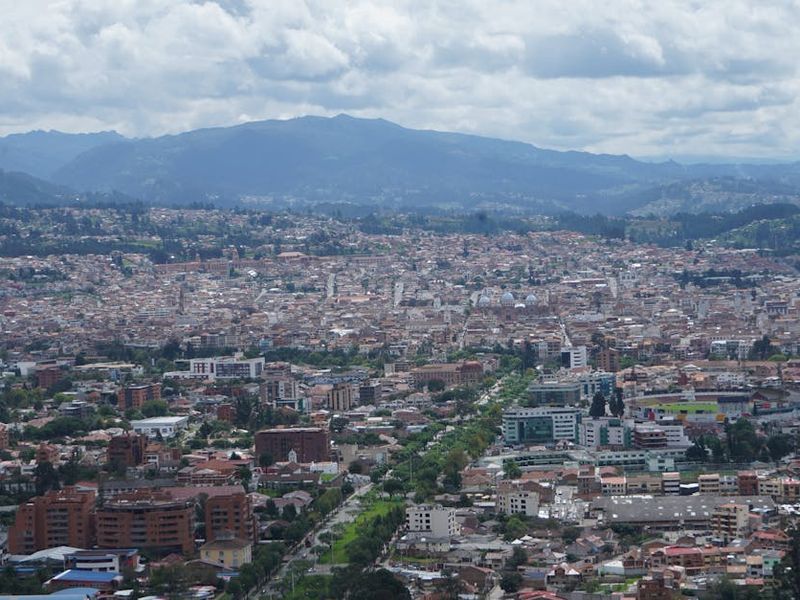
Cuenca’s setting in a valley means there are many free vantage points. The Mirador de Turi is the most famous: you can reach it by a local bus or on foot if you enjoy a steep walk. Standing at the top gives you sweeping views of the red roofs and blue domes below. Many other small viewpoints around the city — often marked by benches or small chapels — offer similar panoramas.
Insider tip: sunrise and late afternoon are the most dramatic times for photos. If you walk up, take water and layers — Cuenca’s elevation (around 2,500 meters) makes the sun strong and weather changeable.
Markets and Food Culture: Savor Flavors with Minimal Spending
Markets are one of the best free attractions in Cuenca. Walking through Mercado Central or nearby fresh markets is a sensory feast: produce piled high, fishmongers cleaning trout, aromatic herbs and people haggling. Sample culture rather than food if you’re counting costs — many vendors are happy to let you look, ask questions and try tiny tastes.
If you want to eat cheaply, markets are also the place to find small meals for low cost — often less than a sit-down restaurant. Try a local hornado or a plate of mote (corn) and seek out cheap, hearty soups at lunchtime.
Churches, Plazas and Public Art: Culture for Free
Cuenca’s churches are integral to its cultural fabric and most allow free entry (donations appreciated). Inside, you’ll often find beautiful altarpieces, frescoes and quiet chapels that provide a peaceful break from the busy streets. After visiting a church, pause in the adjacent plaza to observe daily life: chess games, market stalls and local musicians are common.
Public art is scattered throughout the city — murals, small sculptures and lovingly tended gardens. Walk with an observant eye and you’ll discover dozens of creative expressions that reveal Cuenca’s history and contemporary concerns.
Free Walking Tours and Self-Guided Routes
Many cities host free (tip-based) walking tours and Cuenca is no exception. These guided walks are an excellent way to learn about the city’s history, key sites and hidden corners without paying a fixed ticket price. Check local guesthouses or tourist information centers for schedules.
If you prefer to go solo, download an offline map and create a self-guided loop: start at Parque Calderón, cross the Tomebamba, wander El Barranco, ascend to a mirador, and finish on a riverside promenade. This kind of route makes for a satisfying day of discoveries with zero entrance fees.
Community Events, Festivals and Free Performances
Cuenca’s cultural calendar includes parades, festivals and public concerts that are often free. From classical performances in open plazas to neighborhood fiestas, keep an eye on community boards and social media pages for free events. Even outside major festivals, plazas frequently host musical acts and impromptu shows.
Pro tip: ask your host or a local shopkeeper what’s happening during your stay — local recommendations are often the best way to find free and interesting events.
Green Spaces and Relaxation: Parks That Cost Nothing
Parks like Parque Calderón are the obvious choices, but Cuenca has a network of smaller green spaces that are ideal for picnics, reading or just recovering from a day of sightseeing. Many neighborhoods have pocket parks where locals gather, play chess or walk dogs.
Bring a small snack or buy a cheap market meal and enjoy an afternoon in a park — it’s a free, restorative experience and a wonderful way to connect with the city’s slower rhythms.
Low-Cost Alternatives and Ways to Save More
While the focus here is on free activities, a few low-cost strategies can keep your travel budget tiny while expanding what you can do:
- Ask about free museum days or discounted entry for students and seniors. Many museums and heritage sites have periodic free hours.
- Use local buses instead of taxis. Cuenca’s public transport network is extensive and inexpensive.
- Shop where locals shop. Neighborhood bakeries, market stalls and small eateries often sell the best food for the lowest prices.
- Bring reusable water bottle and filter if needed — buying bottled water adds up. Many guesthouses provide filtered water for refills.
Safety and Practical Tips for Budget Travelers
Cuenca is generally safe, but common-sense precautions help you enjoy the city worry-free. Keep belongings close when in crowded markets, avoid flashing expensive items, and use well-lit streets at night. If you’re walking uphill to viewpoints, wear sturdy shoes and take layers — weather at altitude can shift from sun to cool breezes quickly.
Language tip: a few Spanish phrases go a long way. Locals appreciate simple greetings and questions about directions or markets. Even modest attempts at Spanish can lead to friendlier interactions and better local tips.
Sample Free-One-Day Itinerary
Here’s a practical, low-cost day that covers many free highlights:
- Morning: Start with sunrise at Parque Calderón, then visit the adjacent churches and wander the market stalls.
- Late morning: Walk along the Tomebamba River and explore El Barranco’s alleys.
- Lunch: Pick up an inexpensive meal at a market stall and picnic in a small park.
- Afternoon: Climb or bus up to Mirador de Turi for panoramic views. Explore local artisan booths there.
- Evening: Return to the riverside for a leisurely walk, listen to street musicians and enjoy the illuminated cathedral domes.
Three-Day Budget Plan: Mix Free and Low-Cost
If you have more time, spread free activities across days and sprinkle in one or two paid experiences that feel worth the price (like a guided museum tour or transportation to a nearby natural area). A three-day layout might look like:
- Day 1: Historic center, churches, market, riverside strolls (mostly free).
- Day 2: Neighborhood walks (El Barranco, San Sebastián), artisan streets, local parks. Attend a free concert or plaza event if available.
- Day 3: Hike or bus to a mirador, visit a museum on a free/discount day, and finish with sunset by the river.
This approach keeps costs minimal while allowing you to savor the best of Cuenca.
How to Find Up-to-Date Free Events and Tips
Because local schedules change, the best way to discover real-time free events is to ask people on the ground: hosts, café baristas, market vendors and fellow travelers. Social media groups focused on Cuenca expats or tourism are also useful. Tourist information kiosks in the city center can point you toward free walking tours, concerts and special cultural programs.
Final Thoughts: Slow Travel is the Best Budget Strategy
Cuenca rewards those who slow down. By choosing to walk, linger in plazas, talk to vendors, and watch daily life unfold, you’ll find the city’s richest experiences come nearly free. Even on a shoestring, Cuenca can feel generous and full — a place where history, art and community are available to anyone willing to look.
Pack comfortable shoes, a light jacket, an open mind and a small notebook for names of places and people you meet. With these simple tools and a focus on free experiences, you’ll leave Cuenca feeling like you’ve truly experienced the city without breaking your budget.