
Table of Contents
Why a Week in Cuenca Is the Perfect Introduction
Cuenca, Ecuador’s elegant colonial city set high in the Andes, rewards slow exploration. One week gives you enough time to settle into the altitude (about 2,500 meters / 8,200 ft), wander the UNESCO-listed historic center, taste local cuisine, and take a couple of memorable day trips into highland landscapes and artisan villages. This guide lays out a relaxed, practical seven-day itinerary with tips on transportation, safety, weather, and where to eat and shop.
Quick Arrival Tips: Settle In, Stay Light
Arriving in Cuenca after travel? Plan a mellow first 24 hours. Cuenca’s cobbled streets and steep viewpoints make comfortable shoes essential. Even if you feel energetic, give your body time to acclimatize — headaches and mild breathlessness are common at this elevation. Drink plenty of water, skip heavy alcohol on day one, and enjoy gentle walks near your hotel.
Day 1 — Old Town Orientation: Parque Calderón to the Tomebamba River
Start at Parque Calderón, the city’s heart. Admire the cathedral with its iconic blue domes (the New Cathedral) and the small plazas and arcades that radiate outward. Spend the afternoon exploring the immediate streets: Calle Larga for cafés and boutiques, and the nearby riverside promenades along the Tomebamba. Early-evening is ideal for sunset photos as the domes glow and local families gather for strolls.
What to look for
- Architectural contrasts between the ornate churches and fine stone mansions
- Street musicians and crafts sellers near major plazas
- Cafés on Calle Larga — a great first stop for single-origin Ecuadorian coffee
Day 2 — Museums, Markets and the Old Cathedral
Dedicate this day to museums and markets. Museo Pumapungo (run by the Banco Central) is a highlight: it combines archaeological exhibits, ethnographic displays, and in-site Inca ruins and gardens. Afterward, head to Mercado 10 de Agosto for a sensory feast — fresh fruit juices, hornado (slow-roast pork), empanadas, and soups like locro de papa. Finish at the Old Cathedral (now a cultural space in many cities) and climb modest viewpoints for city panoramas.
Practical tips
- Bring small bills for market shopping; many stalls are cash-only.
- Try a guided market tour if you want a deeper culinary introduction — many vendors sell snacks perfect for a tasting-style lunch.
Day 3 — El Cajas National Park: Lakes, Trails and Birding
El Cajas National Park is an essential day trip (about 30–45 minutes by car depending on your starting point). The park’s glacial lakes, moorland (páramo), and jagged horizons make for superb hiking and birdwatching — you may glimpse Andean condors, hummingbirds, and unique grasses. Pick a trail that matches your fitness level: there are short loop walks and longer treks among the high-altitude lagoons.
How to get there
- Book an organized tour through a local agency or hire a private taxi for the day.
- Pack layers, rain gear and sunscreen — weather changes quickly at altitude.
Day 4 — Artisan Villages: Gualaceo and Chordeleg
Head east to the artisan towns of Gualaceo and Chordeleg. Gualaceo is known for woven goods and colorful markets, while Chordeleg is famous for silver filigree jewelry and boutique shops. This is the place to buy high-quality souvenirs: handwoven textiles, alpaca items, and intricate silverwork. Vendors are used to tourists — bargain respectfully, and don’t be shy about asking how items are made.
Shopping and logistics
- Many workshops allow a quick tour of the maker’s process — a great way to support small businesses.
- If you’re shopping for a Panama-style hat (the local “sombrero de paja toquilla”), look for tight, even weaving — the finer the weave, the higher the quality.
Day 5 — A Slow Cultural Day: Churches, Galleries and an Evening Show
After two active days, slow down with a more cultural itinerary. Visit lesser-known churches and museums, seek out a municipal art gallery, and explore boutiques selling local design. In the evening, check listings for a live music show, traditional dance performance, or a classical concert — Cuenca’s cultural calendar is active and intimate venues make for memorable nights.
Where to eat
Pick from small family-run restaurants for hearty Andean specialties (try hornado or cuy if you’re adventurous) or opt for modern kitchens on Calle Larga and nearby streets that fuse Ecuadorian ingredients with international techniques. Look for places with local patrons — a sign of authenticity.
Day 6 — Ingapirca Ruins: Pre-Columbian History
Make the drive south to Ingapirca, Ecuador’s most significant Inca archaeological site (about 1.5–2 hours by car). The stone complex, with its Intihuatana (solar clock) and well-preserved walls, tells the story of Inca presence in the southern highlands. Combine the ruins with a stop at local highland villages for a taste of regional life and landscapes.
Tips for the trip
- Guides at the site add rich context; hire one at the entrance if you want a fuller understanding.
- Bring water and a hat; the highland sun is intense even when it’s cool.
Day 7 — Turi Viewpoint, Last-Minute Shopping and Relaxation
Use your final day to enjoy Cuenca at leisure. Ride or drive up to Mirador de Turi for sweeping city views; the small shops and churches there are a pleasant stop. Spend the afternoon revisiting favorite streets, buying last-minute souvenirs, or indulging in a spa treatment or a lingering coffee. Finish with a long dinner and a final sunset stroll by the river.
Where to Stay: Neighborhoods and Practical Choices
For a first-time stay, the historic center is unbeatable: you’ll be within walking distance of parks, cafés and major sights. If you prefer quieter residential streets, El Vergel and San Sebastián neighborhoods offer charming guesthouses and local life without the tourist bustle. Many boutique hotels occupy restored colonial homes — they provide authentic atmosphere and easy access to plazas and restaurants.
Getting Around: Walk, Taxi, or Bus?
Cuenca is a compact city and the Old Town is best experienced on foot. For longer trips or hilly viewpoints, taxis are affordable; always agree the fare before you go or ask the driver to use the meter. Ride-hailing apps such as Uber operate in Ecuador’s larger cities and sometimes in Cuenca, but availability can vary. For day trips outside the city, look for reputable tour operators or hire a private car for flexibility.
Weather and What to Pack
Cuenca enjoys springlike temperatures year-round — daytime highs often reach the mid-teens to low-twenties Celsius, cooler at night. Rain is common in parts of the year, so pack a lightweight rain jacket and layers. Comfortable walking shoes are crucial for cobblestones, and a sunhat and sunscreen are smart even on cloudy days. If you plan to hike in El Cajas, bring a warm insulating layer and sturdy hiking boots.
Food and Drink: Local Flavors to Try
Cuenca’s culinary scene ranges from street markets to refined restaurants. Must-try items include:
- Hornado — oven-roasted pork, typically served with mote (hominy) and salad
- Locro de papa — a creamy potato and cheese soup, beloved comfort food
- Cuy — roasted guinea pig (a traditional highland specialty for the adventurous)
- Fresh fruit juices and tropical fruits in markets
- Local coffee — seek single-origin brews at artisan cafés on Calle Larga
Money, Tipping and Practicalities
Ecuador uses the U.S. dollar, so currency exchange is straightforward. Many restaurants add a service charge; if not, leaving a 10% tip is customary. ATMs are widely available but carry some small bills for markets and taxis. Spanish is the dominant language; basic Spanish phrases will make interactions easier and are appreciated by locals.
Safety and Health: Common-Sense Precautions
Cuenca is generally considered one of the safest cities in Ecuador, but pickpocketing and petty theft can occur in crowded areas. Keep valuables secure and carry a day bag that you can keep in front of you. If you have health concerns about altitude, consult your doctor before travel and consider over-the-counter remedies for headaches and nausea. Travel insurance that covers medical evacuation is sensible for international visitors.
Seasonal Notes and Events
The dry season (June to September) is often recommended for outdoor activities and hiking. Rainfall is more frequent October to May, usually as short, heavy afternoon showers. Cuenca also hosts festivals, markets, and religious celebrations year-round — check a local events calendar before traveling to catch a parade, artisan fair, or concert.
Alternatives and Add-Ons
If you have extra time or want to swap a day trip, consider:
- Baños de Cuenca (hot springs) — for a restorative soak
- Coastal or Amazon extensions — both require flights, but are popular additions
- Cooking classes focused on Andean cuisine
- Multi-day hikes in El Cajas or guided birdwatching trips
Final Tips for a Memorable Week
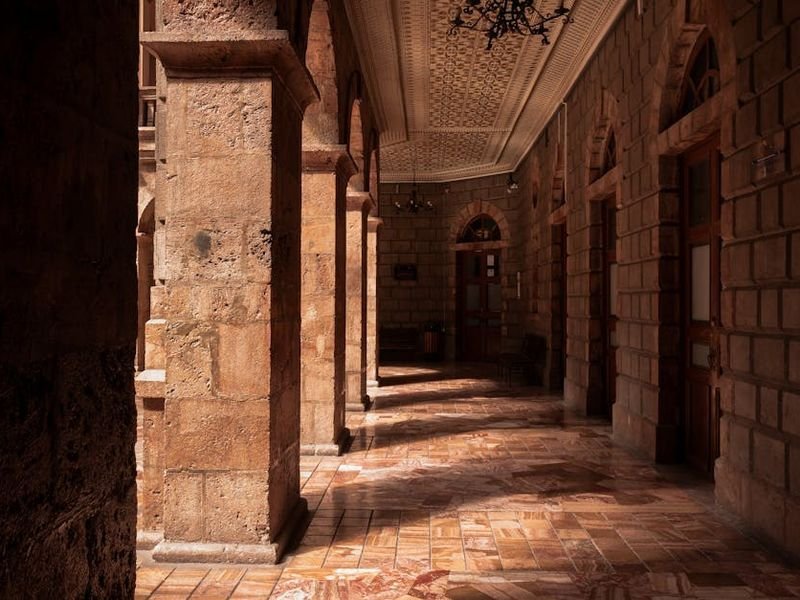
Give yourself permission to linger. Cuenca rewards unplanned detours: a quiet courtyard, a friendly vendor, or a small gallery can become the highlight of your trip. Pack sensible gear, keep a flexible attitude about weather and schedules, and sprinkle in at least one day without a strict agenda. With a week in Cuenca you’ll leave with a balanced picture of its colonial elegance, artisan traditions, rich food culture, and spectacular nearby landscapes.
Enjoy the slow rhythms of this highland city—savor a cup of coffee in the morning sunlight, watch families gather in the evening plazas, and take your time exploring the layers that make Cuenca one of Ecuador’s most inviting destinations.