
Table of Contents
Why Spend a Week in Cuenca?
Cuenca, Ecuador’s highland gem, rewards slow travel. With its colonial core, riverside promenades, thriving artisan scene and easy access to cloud forests and ruins, seven days gives you time to absorb the city’s pace: architecture one day, markets the next, a nature escape mid-week, and plenty of cafes in between. This itinerary mixes must-see highlights with offbeat moments so you leave feeling like you really know the place.
Quick Practical Essentials
Cuenca sits at roughly 2,560 meters (about 8,400 ft), so the weather is spring-like year-round—sunny days, cool nights. The local currency is the U.S. dollar, and basic Spanish will make a difference in markets and smaller shops. Taxis are inexpensive and reliable for short hops; a typical downtown ride costs a couple of dollars. Health-wise, take it easy the first day to adjust to the altitude—hydrate, avoid heavy exertion, and enjoy the slower tempo.
How to Use This Guide
This plan is paced for a relaxed traveler who wants to combine cultural highlights, artisan shopping, nature day trips and time to linger in cafes and parks. Swap days around depending on weather or your flight schedule. Each day includes practical tips—where to go, how to get there, and what to watch out for.
Day 1 — Arrival and Historic Center Orientation
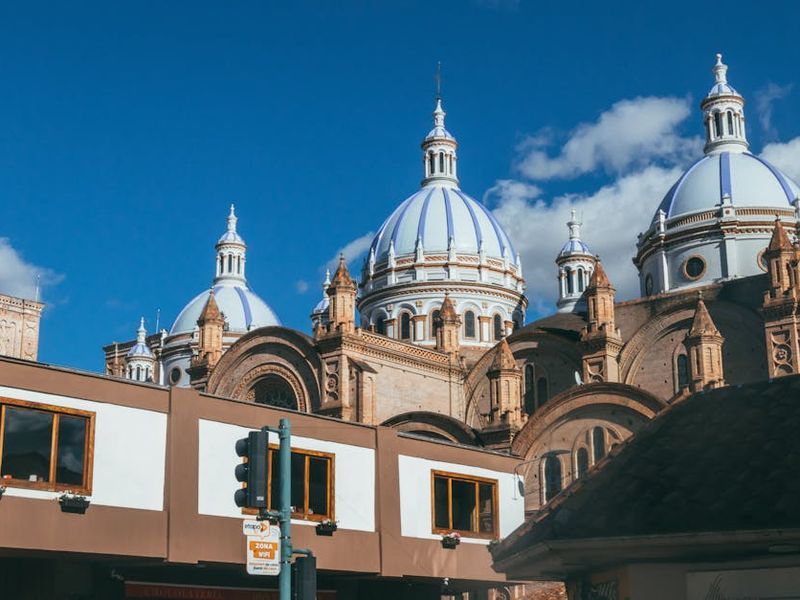
Start at Parque Calderón (Plaza Grande), the beating heart of Cuenca’s historic district. From here you can admire the New Cathedral (Catedral de la Inmaculada Concepción) with its striking blue domes and wrought-iron balconies that frame narrow streets. Walk the surrounding blocks to get a feel for the layout: Calle Larga for cafes and people-watching, and Calle Simón Bolívar for handicrafts.
Tip: Look for rooftop terraces around the plaza—an afternoon drink offers a great vantage point for photographing the domes. Keep your camera handy but be mindful of pickpockets in crowded areas, especially around markets.
Day 2 — Museums, Markets and Hat Workshops
Dedicate a day to Cuenca’s museums and artisan traditions. Start at Museo Pumapungo to see pre-Columbian ruins, ethnographic exhibits and a lovely garden of native plants. Afterward, head to the Museo del Sombrero (Hat Museum) or visit a local hat workshop to learn how the world-famous “Panama” (paja toquilla) hats are woven in Ecuador.
In the afternoon, explore Mercado 10 de Agosto for fresh fruit, coffee and street snacks. Try a savory empanada or a sweet pan de yuca. Markets are great places to interact with locals and buy affordable souvenirs like handwoven textiles or local honey.
Day 3 — Slow Morning, Riverwalks and Bridges
Take this day at a gentler pace. Begin with a long breakfast in a café along Calle Larga, then stroll down to the Tomebamba River. Cuenca’s historic center is framed by rivers and dramatic bridges—walk the riverside promenades (often called the Riverbanks) and note the contrast between colonial facades and manicured gardens.
Must-see spots include El Barranco, a neighborhood perched above the river with narrow streets perfect for sunset photographs. Cross the pedestrian bridges and discover small artisan stalls. If you’re interested in local flora, look out for the flowers and planters that give certain promenades their nickname “Paseo de las Flores.”
Day 4 — Day Trip to Cajas National Park
Cajas National Park is roughly an hour’s drive from Cuenca and offers highland lakes, hiking trails and dramatic páramo landscapes. Plan a guided hike to a scenic laguna (lake); elevation can top 4,000 meters so bundle up. The park is perfect for birdwatching—keep an eye out for Andean condors and other high-altitude species.
Tips for Cajas: take warm layers, waterproof shoes, sunscreen and snacks. If you prefer not to rent a car, many local tour operators offer full-day trips with transport and a guide. Bring cash for entrance fees and small purchases at rural stops.
Day 5 — Ingapirca or Artisan Towns: Choose Your Adventure
You have two excellent options for day trips. History lovers should visit Ingapirca, Ecuador’s most important Inca archaeological site about two hours away. Walk through the solar temple and learn about the fusion of Inca and Cañari cultures.
If shopping and handicrafts appeal more, head to Gualaceo and Chordeleg. Gualaceo has colorful markets and textile shops, while Chordeleg is renowned for silver filigree jewelry—excellent places to find high-quality souvenirs and support local artisans.
Day 6 — Cooking Class and Neighborhood Discovery
Use this day to dive deeper into local life. Take a cooking class focused on traditional Ecuadorian dishes—learn to make llapingachos (potato patties), hornado (slow-roasted pork) or even cuy (guinea pig) if you’re adventurous. Many classes include a market tour so you learn about local ingredients firsthand.
After your class, explore quieter neighborhoods outside the tourist core. San Sebastián and Yanuncay have charming lanes, local bakeries and less-touristed viewpoints. This is the day to soak in the atmosphere and slow your pace.
Day 7 — Last-Minute Shopping, Museums You Missed and Departure
Use your final day to revisit favorite spots, buy last-minute gifts and squeeze in any museums you missed. The Museo del Banco Central often has rotating exhibitions of Ecuadorian art and is worth a stop. If you have a late flight, find a cafe near the airport or book a short spa treatment to relax before travel.
Practical departure tip: allocate ample time for traffic when heading to Mariscal La Mar Airport—Cuenca’s roads can be busy during peak hours.
Where to Stay: Neighborhoods and Recommendations
Staying inside or near the historic center (El Centro) puts you within walking distance of main sites, restaurants and nightlife. If you prefer quieter, residential areas, look for accommodation in San Sebastián or near Parque de la Madre. For longer stays or those who want modern amenities, neighborhoods like El Vergel and Las Riberas offer apartments and boutiques a short taxi ride from downtown.
Tip: choose a room with a heater or electric blanket—nights can be chilly despite sunny days.
Food and Drink: What to Try in Cuenca
Cuenca’s food scene blends traditional Ecuadorian fare with international influences. Must-try local items include:
- Pan de yuca and other fresh bakery treats for breakfast
- Hornado and roast pork dishes in local restaurants
- Llapingachos and mote for a hearty traditional meal
- Fresh fruit juices and coffee—Ecuadorian coffee is excellent, especially from the nearby Loja and Loja/Azuay regions
- Street snacks at Mercado 10 de Agosto—try an empanada or a local soup
For a special evening, search out rooftop restaurants around Parque Calderón for sunset views and classical architecture lighting up after dark.
Money, Costs and Budgeting
Cuenca can be very budget-friendly. A rough daily guide:
- Budget traveler: $30–$50/day (hostel, markets, public transport)
- Mid-range: $60–$150/day (private rooms, mix of restaurants and cafes, occasional guided tours)
- Luxury: $150+/day (boutique hotels, high-end restaurants and private tours)
Tipping of around 10% in restaurants is common if service isn’t included. Bring some small bills for market purchases—vendors often prefer cash.
Safety, Etiquette and Local Tips
Cuenca is considered one of Ecuador’s safest cities for visitors, but common-sense precautions apply. Keep valuables discreet, use hotel safes for passports and extra cash, and avoid poorly lit streets at night. Haggling is normal in markets—start lower but be respectful.
Locals tend to greet with a handshake, and among acquaintances a single kiss on the right cheek is common. Spanish is the language of daily life; even basic phrases will be appreciated. If you plan to drive, remember that parking in the historic center can be tight—consider taxis instead.
Packing List and Weather Prep
Pack layers: a lightweight down or fleece, rain jacket, and a sweater for evenings. Comfortable walking shoes are essential for cobblestones and river promenades. Include sunscreen and sunglasses—the sun is intense at altitude. If you plan on hiking in Cajas, bring warm socks, waterproof hiking shoes and a hat.
Special Experiences and Alternatives
Consider adding one of these experiences to personalize your week:
- Volunteer with local projects for a day (education or conservation programs)
- Take a Spanish lesson focused on travel conversation
- Book a photography walk at golden hour to capture the blue domes and riversides
- Search for a local music night—traditional Andean music is often performed at cultural centers
Final Notes: Slow Travel Wins
One week in Cuenca lets you experience both the city’s timeless colonial rhythm and the surrounding highland landscapes. Instead of racing from sight to sight, allow pockets of time for unexpected discoveries: a ceramic shop with a generous owner, a quiet bench by the Tomebamba, or a little bakery knocking out perfect pan de yuca. With thoughtful pacing, you’ll leave Cuenca with a sense of connection to its people, crafts and mountain light—precisely why many travelers return.
Buen viaje: take your time, taste the coffee, wander the riverbanks and let Cuenca reveal itself at its own gentle pace.