
Table of Contents
Why spend a week in Cuenca?
Cuenca is one of Ecuador’s most livable—and visitable—cities. Its compact, UNESCO-listed historic center, pleasant climate (spring-like year-round), rich craft traditions, and proximity to highland landscapes make it perfect for a one-week visit. Seven days gives you time to settle into the altitude, explore museums and markets without rushing, taste regional food, and take at least one or two scenic day trips.
Quick practical notes before you go
Cuenca sits at about 2,560 meters (≈8,400 ft), so take a slow pace on day one if you’re coming from sea level. The city uses US dollars, most people speak Spanish (tourism workers usually speak some English), and the historic center is highly walkable. Taxis are inexpensive for short hops; there’s also a modern tram system connecting parts of the city. Light layers are essential—days can be sunny and cool, evenings crisp.
How to use this itinerary
This guide is organized as a day-by-day plan with options you can swap depending on your interests—history, hiking, crafts, food, or simply soaking up local life. Each day includes practical tips and specific places in Cuenca to visit.
Day 1: Orientation and the historic heart
Start at Parque Calderón, the main plaza framed by the blue-domed New Cathedral (Catedral de la Inmaculada Concepción). The plaza is a living room for the city—people watching, street vendors, and friendly pigeons. From here, wander the narrow colonial streets, pop into a café, and follow the Río Tomebamba riverside promenades for a quieter feel of the city.
Must-dos: climb one of the cathedral towers for a panoramic view of the domes and the city, and stroll Calle Larga for boutiques, cafes, and galleries. Finish the day with a relaxed dinner in the centro—try local dishes like hornado (roast pork), llapingachos (potato cakes), or helado de paila, a traditional hand-churned ice cream.
Day 2: Museums, markets and craft traditions
Dedicate a morning to Museo Pumapungo, a well-curated site with archaeological terraces, ethnographic displays, and an on-site garden with native plants. The museum gives historical context for the region and offers a pleasant, quiet walk through ruins within an urban setting.
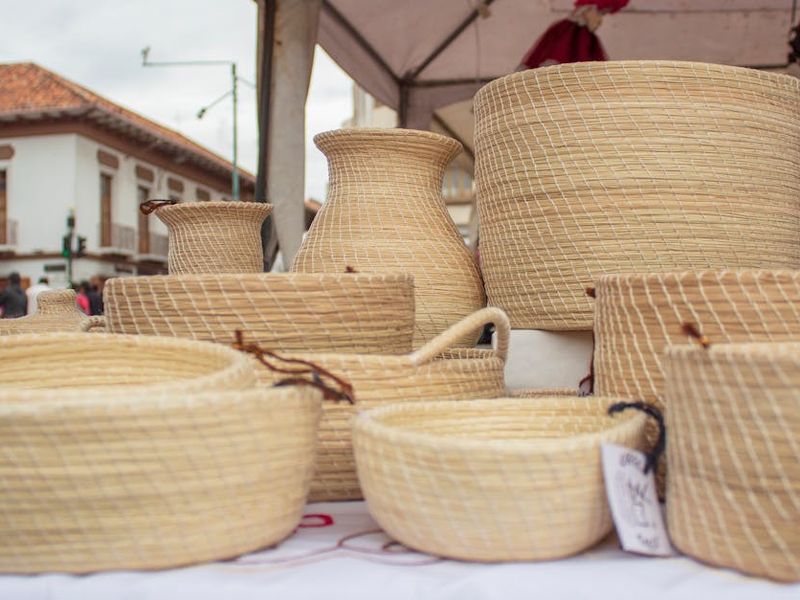
In the afternoon, visit one of Cuenca’s lively markets. Mercado 10 de Agosto (central food market) is a great place to sample fresh fruit, juices, and homestyle dishes at low prices. Near the center you’ll also find artisan shops and workshops where Panama hats are still woven by hand—visit a workshop to see how the famous straw hats are made and to buy directly from local artisans.
Day 3: El Cajas National Park day trip
One of the best day trips from Cuenca is El Cajas National Park, a high-altitude páramo with hundreds of glacial lakes, unique flora, and great hiking options. The park is roughly 30–60 minutes by car depending on your destination within the park. Popular walks include short, accessible circuits around lagunas (small lakes) or longer treks for experienced hikers.
Practical tips: bring warm clothing, waterproof layers, sunscreen, and snacks. The weather changes rapidly at elevation. Consider booking a guided tour that includes transportation if you prefer not to drive on mountain roads.
Day 4: Day trip to craft towns — Gualaceo and Chordeleg
South and east of Cuenca are small towns known for traditional crafts. Gualaceo is known for weaving and textiles, while Chordeleg is famous for silver filigree jewelry. Both are reachable within an hour or so and offer a slower, more rural side of Ecuadorian life.
What to do: visit workshops, meet artisans, and shop for handmade scarves, table runners, and jewelry. If you love photography, these towns are colorful and intimate, with market scenes and local life that feel very different from the tourist trail.
Day 5: Explore neighborhoods — El Barranco and San Sebastián
Spend a relaxed day exploring Cuenca’s neighborhoods outside the immediate plaza. El Barranco, along the riverside, is full of art studios, small cafes, and photogenic street murals. San Sebastián is a creative neighborhood with galleries and boutique shops. Both neighborhoods offer great spots for coffee and slower exploration.
Don’t miss: the riverside walk along the Tomebamba in the late afternoon when the light softens and locals gather. There are also several rooftop bars and terraces where you can enjoy sunset views of the city’s domes and red-tiled roofs.
Day 6: Food, cooking class and Turi viewpoint
Take a cooking class in the morning to learn how to make Ecuadorian classics like ceviche, encebollado, or local stews. Classes are usually hands-on and include a visit to a market for ingredients, which is a great way to learn about local produce and culinary customs.
In the afternoon, head to Mirador de Turi (Turi viewpoint) for a panoramic lookout over Cuenca. Taxis or local buses make this easy even if you don’t have a car. The viewpoint area has souvenir stands and small cafes—an ideal place for sunset photos.
Day 7: Slower pace, last-minute shopping and live music
Use your final day to linger over favorite spots, revisit a market for souvenirs, and relax before departure. Many visitors enjoy a spa treatment or a visit to a local artisanal chocolatier for souvenirs you can carry home easily.
In the evening, look for a live music venue—Cuenca has a small but lively music scene with jazz bars, acoustic nights, and venues featuring Andean music. Enjoy a final dinner on Calle Larga or one of the plazas and savor the city’s relaxed rhythm.
Alternate activities and additions
- Ingapirca: the largest Inca ruins in Ecuador—about 1.5–2 hours away—ideal for history lovers.
- Bicycle tours: guided bike rides along rural roads and valley trails around Cuenca provide a great perspective on countryside life.
- Birdwatching: the varied elevations around Cuenca attract diverse species; early-morning guided tours can be rewarding.
- Workshops: pottery and textile workshops where you can try your hand at a craft and support local artisans.
Where to stay: neighborhoods that suit different travelers
If you want to be in the thick of it, book a place in the historic center (Centro Histórico) for easy walking access to major sights. For a quieter, more local feel, San Sebastián offers boutique guesthouses and cozy cafes. El Barranco and the riverside are ideal for those who want scenic walks and art studios nearby. If you prefer uninterrupted views and don’t mind a short taxi ride, Turi has a handful of hotels with spectacular panoramas.
Eating smart in Cuenca
Cuenca’s food scene balances traditional markets and innovative restaurants. Try home-style markets for cheap, authentic lunches; explore specialty coffee shops and bakeries for a mid-morning break. For dinner, many small bistros and family-run restaurants offer tasting menus that highlight local ingredients. If you’re adventurous, sample regional specialties like cuy (guinea pig), mote pillo (corn and eggs), or caldo de gallina (chicken soup). Be mindful of portion sizes at markets where dishes can be very filling.
Getting around the city and practical tips
Walking is the best way to absorb the historic center. For longer trips, taxis are affordable—agree on a price or use a meter where available. The Cuenca tram links several neighborhoods and is an efficient option for certain routes. For day trips, consider renting a car if you want maximum flexibility; otherwise, book guided tours that include transport.
Other practical tips:
- Carry small bills and coins for markets and buses.
- Respect local customs—friendly greetings and a smile go a long way.
- Pickpocketing is not widespread, but keep valuables secure in crowded areas.
- Tipping: in casual eateries a small tip or rounding up is appreciated; many restaurants add a service charge.
Best time to visit
Cuenca’s dry season, roughly June through September, is a popular time for hiking and outdoor activities. The city’s climate is pleasant year-round, but expect more rain from October through May. Festival time brings an extra layer of local color—if you time your visit with a local celebration, you’ll see parades, food stalls, and live music, but book accommodation in advance.
Safety, health and altitude considerations
Cuenca is generally safe for tourists. Use normal precautions—avoid poorly lit streets late at night, don’t flash expensive electronics, and use hotel safes when available. Because of the elevation, take it easy your first day: drink water, limit alcohol, and avoid rigorous hikes until you feel acclimatized. If you have specific health concerns, consult your doctor before traveling.
How to keep the experience authentic and sustainable
Support local businesses: eat at family-run restaurants, buy crafts directly from artisans, and choose small, locally owned lodgings when possible. Respectful photography, especially of people working or in markets, is appreciated—ask before you take a portrait. These small choices help ensure your visit benefits the community that makes Cuenca special.
Final tips for a memorable week
One perfect week in Cuenca is part discovery, part slow living. Balance museum visits and day trips with long coffee breaks and river walks. Leave room for spontaneous recommendations—striking up conversations with shopkeepers, café owners, or your guesthouse host often leads to unexpected experiences. Whether you’re there for the crafts, the hikes, the food, or simply to decompress in a charming Andean city, Cuenca rewards travelers who go at a relaxed pace and pay attention to the small details.
Pack comfortable walking shoes, a warm jacket, and a curious attitude—and you’ll come away with memories of sunlit plazas, mountain lakes, artisan workshops, and a rhythm of life that’s uniquely Cuencano.