
Table of Contents
Why Regular Dental Check-ups Matter — More Than a Bright Smile
Routine dental visits are about prevention, not panic. Regular check-ups spot small problems — a tiny cavity, early gum inflammation, or an irregular lesion — long before they become painful, expensive, or medically serious. For expatriates living in Cuenca, staying on top of oral health is also about convenience and cost control: early treatment is simpler and usually cheaper, and reduces the chance of emergency trips to a hospital or emergency clinic.
Oral health and whole-body health
Oral health is connected to overall health. Chronic gum disease has been associated with higher risk of complications in people with diabetes and heart disease. While routine cleanings and exams won’t replace medical management, they help identify issues that may interact with systemic conditions or medications.
How Often Should You Visit the Dentist in Cuenca?
There isn’t a one-size-fits-all answer. The standard recommendation for most people is a check-up every six months, which normally includes a cleaning, oral exam, and X-rays as needed. However, your dentist may advise a different schedule based on these factors:
- Risk of cavities (high sugar intake, dry mouth, previous decay)
- Gum disease history or active periodontal issues
- Smoking or tobacco use
- Medical conditions such as diabetes or osteoporosis
- Orthodontic appliances or extensive restorative work
- Age — children and older adults may require closer follow-up
For those with healthy gums and low decay risk, annual visits might be sufficient. For people with active periodontal disease, diabetes, or heavy smoking history, three- or four-month maintenance visits are often recommended.
What to Expect at a Dental Visit in Cuenca
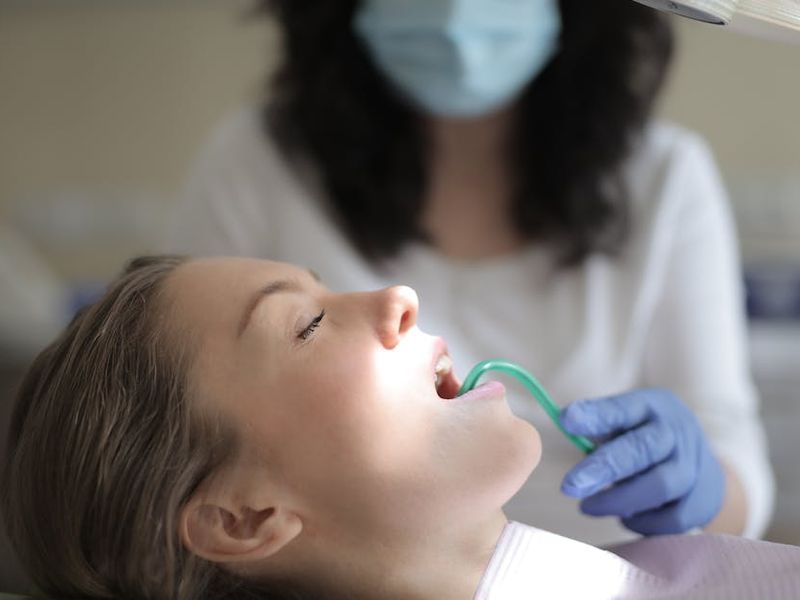
Dental clinics in Cuenca range from small private offices to larger multi-specialty centers and university clinics. A typical routine visit includes these elements:
- Medical and dental history review — especially important for new expat patients (bring a list of medications).
- Professional cleaning (scaling and polishing) to remove plaque and tartar.
- Oral exam — soft tissues, gums, bite, and an inspection for decay or suspicious lesions.
- X-rays if indicated — many clinics now use digital radiography for faster results and lower radiation.
- A written treatment plan and cost estimate if further work is needed.
If language is a concern, many clinics in expat-friendly neighborhoods can accommodate English speakers or staff who will translate. Still, it’s wise to bring a Spanish-speaking friend or ask the clinic in advance about language options.
University and student clinics: a budget-friendly alternative
Cuenca has universities with dental programs that sometimes offer low-cost care under faculty supervision. These student clinics can be a good option for routine cleanings and straightforward procedures. Appointments may take longer, and more complex treatments are generally handled in private clinics.
Costs and Payment: What Expats Should Know
One of the reasons Cuenca attracts expats is the lower cost of dental care compared with North America and Europe. Prices vary by clinic, materials used, and complexity of the procedure, but you can expect general ranges for planning purposes:
- Basic cleaning and check-up: modest fees, often a fraction of U.S. prices.
- Fillings: lower cost than many home countries; price varies by material (amalgam vs composite).
- Crowns and bridges: more affordable than in many countries, but shop for quality and warranty.
- Root canal and implants: substantial procedures that are still often significantly cheaper than in the U.S., but prices vary widely by clinic and materials.
Always ask for an itemized estimate and, if possible, a written guarantee on restorative work. If you have international or Ecuadorian health insurance, check whether dental care is covered and which clinics are in-network. For residents contributing to IESS (Ecuador’s social security system), some basic dental services may be available through public channels — check eligibility and wait times, as public options can be slower.
Choosing the Right Dentist in Cuenca
Picking a trustworthy dentist is about more than price. Consider these practical steps when choosing a clinic:
- Read local expat forums and Facebook groups — recommendations from other expats can point you to English-speaking dentists and clinics familiar with foreigners’ needs.
- Look for clear communication: clinics that provide written treatment plans, consent forms, and digital X-rays are generally well organized.
- Check sterilization standards: ask about autoclave use and infection control protocols if that’s important to you.
- Ask about materials and brands: quality matters for crowns, implants, and prosthetics — reputable clinics will tell you what they use.
- Compare warranties: many clinics offer a limited warranty on crowns and prosthetics; get the conditions in writing.
Visit a clinic for a routine check-up before agreeing to major treatments. This gives you a feel for the staff, cleanliness, and communication style.
Dental Emergencies in Cuenca: Be Prepared
Even with diligent care, emergencies happen. Knowing what to do and where to go can save time and discomfort.
- For severe pain, swelling, or trauma, seek urgent care at a 24-hour clinic or hospital emergency department. Some dental clinics also offer extended hours.
- Have an emergency dental kit: temporary filling material (available in pharmacies), dental floss, pain relievers, and clove oil for short-term relief.
- If a tooth is knocked out, try to keep it moist (milk is preferable) and see a dentist immediately — time matters for reimplantation.
- Keep photocopies of your passport and insurance cards handy; some clinics will need ID and payment upfront.
Call ahead when possible so the clinic can prepare. If you do end up in an emergency room, follow up with a dentist promptly to complete treatment.
Tips Specifically for Expats Living in Cuenca
Adjusting to a new country includes navigating healthcare systems. These practical tips will help expats make smart dental decisions in Cuenca:
- Bring dental records from your home country if you have recent X-rays or treatment histories — this helps local dentists give informed recommendations.
- Ask for a detailed, written estimate in Spanish and English before starting major treatments, and keep receipts for warranties or future travel insurance claims.
- Compare a couple of clinics for larger procedures like crowns, implants, or full-mouth restorative plans — second opinions are normal and encouraged.
- Consider timing: many expats schedule major work during dry-season months when travel is easier and recovery might be more comfortable.
- Join local expat or neighborhood groups to get real-world feedback — they can be invaluable for referrals to skilled dentists, hygienists, and specialists.
- If you plan to travel for dental tourism (either inside or outside Ecuador), weigh travel costs and recovery logistics against local options in Cuenca — often, Cuenca’s prices and quality are very competitive.
Language and cultural tips
Even if your Spanish isn’t perfect, many Cuenca dentists are experienced with international clients and will explain options clearly. If you’re nervous about complex procedures, consider bringing a Spanish-speaking friend or hiring a professional interpreter for the appointment.
Daily Preventive Habits That Reduce Dental Visits
Regular check-ups are essential, but daily habits determine how often you’ll need intensive care. A few small routines make a big difference:
- Brush twice a day with fluoride toothpaste and a soft-bristled brush.
- Floss once daily to remove plaque between teeth.
- Use an antibacterial mouthwash if recommended by your dentist.
- Limit sugary snacks and acidic beverages that erode enamel.
- Stay hydrated — dry mouth increases decay risk; drinking water helps keep saliva flowing.
- Attend professional cleanings as recommended to remove tartar that brushing can’t reach.
Combine daily care with routine dental visits to maintain both appearance and health. Preventive care is always more affordable and less invasive than restorative work.
Common Questions From Expats in Cuenca
Here are answers to frequent concerns newcomers raise:
- Is dental care in Cuenca safe? Yes, many private clinics follow international sterilization standards and use modern equipment. Ask about sterilization and credentials if you’re unsure.
- Will my dental records be understood? Most dentists will accept photos, X-rays, and written summaries — bring originals or PDFs when possible.
- Do dentists accept cards or cash? Many clinics accept credit cards, but some prefer cash or debit. Confirm payment options when booking.
- What if I need a specialist? Cuenca has specialists in endodontics, periodontics, prosthodontics, and oral surgery. Your general dentist can refer you when needed.
A Simple Checklist Before Your First Visit
Save this checklist before booking a dental appointment in Cuenca:
- Gather dental records and medication list.
- Find clinic reviews from expats and local residents.
- Confirm language support, payment methods, and appointment length.
- Ask for an itemized estimate for any planned work.
- Bring ID, contact information, and insurance details if applicable.
Final Thoughts: Keep Smiling in Cuenca
Regular dental check-ups are an essential part of settling into life in Cuenca. They protect your oral health, save money over time, and reduce the stress of sudden dental emergencies. With a bit of research and preparation — finding a clinic you trust, keeping good daily habits, and following through on recommended visits — expats can enjoy the city’s charms with a healthy smile. Whether you choose a private clinic, a university dental program, or public services through IESS, the key is consistency: book your check-ups, follow the plan, and you’ll minimize surprises and maximize the benefits of living well in this beautiful Ecuadorian city.