
Table of Contents
Introduction: Dental health and life in Cuenca
Moving to Cuenca comes with many lifestyle adjustments — new routines, a different climate, and a fresh health-care system. Amid settling in, dental care often slips down the priority list. But regular dental check-ups are one of the most practical ways to protect your health, avoid costly procedures later, and make the most of the excellent dental services available in the city. This article explains when and why to schedule dental visits, what to expect in Cuenca, and practical tips for expats navigating dental care.
Why routine dental check-ups matter
Dental check-ups do more than keep your smile bright. Preventive visits identify issues early — such as cavities, gum disease, oral infections, and developing bite problems — often before they cause pain. Left untreated, these problems can lead to systemic health issues (for example, infected gums can be linked to cardiovascular risks and complications for people with diabetes) and more expensive treatments like root canals and crowns.
For expats, regular dental care is particularly valuable because early treatment prevents the need for urgent or emergency travel back home. It also helps you build a relationship with a local dentist, which pays dividends if you need specialist work, prosthetics, or ongoing periodontal treatment.
How often should you schedule a visit?
Traditional guidance recommends a dental check-up and professional cleaning every six months. That’s a good baseline for most people. However, visit frequency should be individualized:
- Every 3–4 months: For people with periodontal (gum) disease or a history of frequent cavities.
- Every 6 months: For most adults and healthy adolescents who maintain good home hygiene.
- Annually: For low-risk individuals with excellent oral hygiene and no active dental issues — though many dentists still recommend biannual visits.
- Immediately: For sudden pain, swelling, bleeding gums that won’t stop, or trauma to teeth.
What a typical check-up in Cuenca looks like
Dental clinics in Cuenca generally follow the same standard protocol as in many countries. Expect a thorough exam, possibly X-rays, a professional cleaning, and a discussion about next steps:
- Medical history review: Dentists will ask about medications, chronic conditions (like diabetes), and any symptoms you’re experiencing.
- Clinical exam: The dentist checks teeth, gums, soft tissues, and bite alignment for signs of disease or damage.
- Dental cleaning (profilaxis): Scaling and polishing to remove plaque and tartar above and slightly below the gumline.
- X-rays: Panoramic or bitewing X-rays are often used to spot cavities, bone loss, and impacted teeth.
- Treatment planning: If issues are found, the dentist will present options, timelines, and cost estimates.
Common dental procedures you may encounter in Cuenca
Understanding common procedures helps you make informed decisions when your dentist recommends treatment. In Cuenca, the same standard services are available as elsewhere:
- Fillings (empaste): For treating cavities. Materials include composite (tooth-colored) resin.
- Root canal therapy (endodoncia): For infected tooth pulp. Cuenca clinics often offer modern root canal techniques.
- Extractions: Ranging from simple to surgical wisdom tooth removals.
- Crowns and bridges: For restoring heavily restored or missing teeth. Many labs in Cuenca produce quality ceramic crowns.
- Implants: Dental implants are available and increasingly common; treatment includes implant placement and prosthetic crowns.
- Periodontal care: Scaling and root planing and follow-up maintenance for gum disease.
- Cosmetic services: Whitening, veneers, and smile makeovers — popular among locals and expats.
Costs and affordability: What expats can expect
One reason expats are drawn to dental care in Ecuador is affordability. Routine exams and cleanings in Cuenca typically cost a fraction of prices in the U.S., Canada, or Europe. While prices vary by clinic, you can expect:
- Check-up and cleaning: Often between $20–$60 USD depending on whether X-rays are included.
- Fillings: Usually $30–$100 per tooth depending on material and size.
- Root canal: Often $100–$400 depending on the tooth and complexity.
- Crowns: Between $200–$500 per crown depending on materials (porcelain/ceramic higher cost).
- Implants: Vary widely; plan for $800–$2000 per implant including restoration, depending on brand and materials.
These ranges are illustrative. Higher-end private clinics charge more, while neighborhood clinics and university dental programs can be less expensive. Always get a written estimate and ask about guarantees, especially for prosthetics and implants.
Finding the right dentist in Cuenca
Choosing a dentist is about skill and comfort. Here are practical steps for expats:
- Ask your expat community: Online Facebook groups, forums, and meetups in Cuenca often have up-to-date dentist recommendations and personal reviews.
- Visit multiple clinics: Book consults to evaluate staff, cleanliness, and communication style.
- Check credentials: Look for dentists who trained in recognized dental schools and ask about continuing education or specialist affiliations.
- Language: If your Spanish is limited, ask whether staff speak English. Many clinics in central Cuenca cater to expats and have bilingual staff.
- Location: Popular neighborhoods like El Centro, San Sebastián, and El Vergel host well-known clinics. Consider proximity to your home for follow-ups and emergency visits.
- Read reviews and ask about technology: Digital X-rays, intraoral cameras, and modern sterilization are signs of an up-to-date practice.
Insurance, payment options, and dental tourism
Expats often pay out-of-pocket for dental services in Ecuador. Some international health insurance plans offer partial dental coverage, so check your policy before committing. Many clinics accept cash, credit cards, and sometimes payment plans for larger treatments.
Dental tourism is common: people combine travel with intensive dental work to take advantage of lower prices. If you plan a dental tourism trip to Cuenca, consider these tips:
- Schedule a comprehensive consultation first; do not book implant or complicated procedures without a full plan and timeline.
- Factor in multiple visits: Implants and crowns usually require several appointments over months.
- Ask about post-operative care and what happens if complications arise after you return home.
Language and cultural tips for appointments
Spanish is the primary language in Cuenca’s clinics. Even if a dentist speaks some English, brushing up on dental terms can help you communicate clearly. Useful Spanish phrases include:
- “¿Cuándo fue mi última limpieza?” – When was my last cleaning?
- “Tengo dolor aquí.” – I have pain here.
- “Me gustaría un presupuesto por escrito.” – I would like a written estimate.
- “¿Hay garantías para coronas o implantes?” – Is there a warranty for crowns or implants?
- “¿Hablan inglés?” – Do you speak English?
Bring a bilingual friend or use a translation app for complex discussions. Many clinics provide written treatment plans and consent forms in Spanish; ask for translated copies if you need them.
Emergency dental care in Cuenca
Accidents happen — a knocked-out tooth, severe pain, or swelling that threatens breathing are emergencies. Know the basics:
- Contact your dentist first if you have one. Many offices reserve emergency slots.
- After-hours clinics and some hospital emergency rooms can provide urgent care. For severe infections, seek immediate treatment at a general hospital.
- If a tooth is knocked out, keep it moist (milk or saliva) and see a dentist quickly. The chances of saving a tooth are highest within an hour.
Special considerations for families and seniors
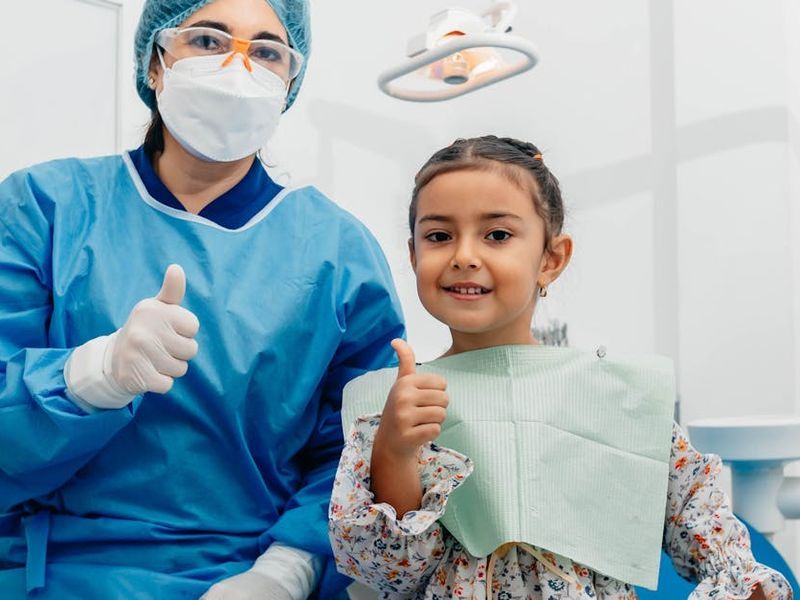
Families and seniors have different dental needs. Pediatric dentistry services are available in Cuenca; find a dentist who makes children comfortable and uses preventive strategies like fluoride varnish and sealants. For seniors, oral health is closely tied to overall health — medications can dry the mouth, increasing cavity risk, and dentures need regular fitting checks. Many dentists in Cuenca are experienced with geriatric care and prosthetic adjustments.
Maintaining oral health between visits
Good daily habits reduce dental visits and treatment complexity. Recommendations include:
- Brush twice daily with fluoride toothpaste for two minutes.
- Floss daily to remove plaque between teeth and under the gumline.
- Limit sugary snacks and acidic beverages that erode enamel.
- Use an antiseptic mouthwash if recommended by your dentist.
- Stay hydrated and avoid tobacco, which increases gum disease and oral cancer risk.
Keeping dental records and planning long-term care
When living abroad, maintaining organized dental records is essential. Ask for copies of X-rays, treatment plans, and receipts. These records simplify transferring care if you move within Ecuador or return to your home country. For major restorative or prosthetic work, keep photographs and serial numbers (for implants) in case future dental providers need this information.
Conclusion: A smart investment in health and peace of mind
Regular dental check-ups in Cuenca are accessible, affordable, and a smart way for expats to protect long-term health. Whether you’re a new arrival or a long-term resident, a local dentist you trust will help you avoid emergencies, save money on complex treatments, and enjoy daily life without dental pain. Schedule a baseline exam soon after you arrive, keep up with recommended cleanings, and don’t hesitate to seek care if symptoms arise — your future smile and health will thank you.
Quick checklist before your first visit in Cuenca
- Gather previous dental records and X-rays, if available.
- Bring your passport and any insurance details.
- Prepare a short list of dental symptoms and a medication list.
- Ask if the clinic has English-speaking staff or bring a translator.
- Request a written treatment plan and cost estimate.
Prioritizing dental check-ups is one of the simplest, most proactive ways to stay healthy and enjoy life in Cuenca. Start with a local consultation and build dental care into your routine — your smile is worth it.