
Table of Contents
Why Cuenca is a Great Choice for Retirees
Cuenca frequently appears on lists of the world’s best places to retire because it combines a walkable colonial center, a mild Andean climate, affordable living, and accessible health care. Located at about 2,560 meters (roughly 8,400 feet) above sea level, the city enjoys cool days, crisp nights, and striking mountain views. For seniors considering a move, Cuenca offers a balance of modern conveniences and a slower pace of life — but the transition requires planning. This guide walks you through the practical steps and local realities to make your relocation smoother and safer.
Start Here: Planning and Paperwork Before You Go
Before booking your one-way ticket, organize documentation and finances. Key actions include:
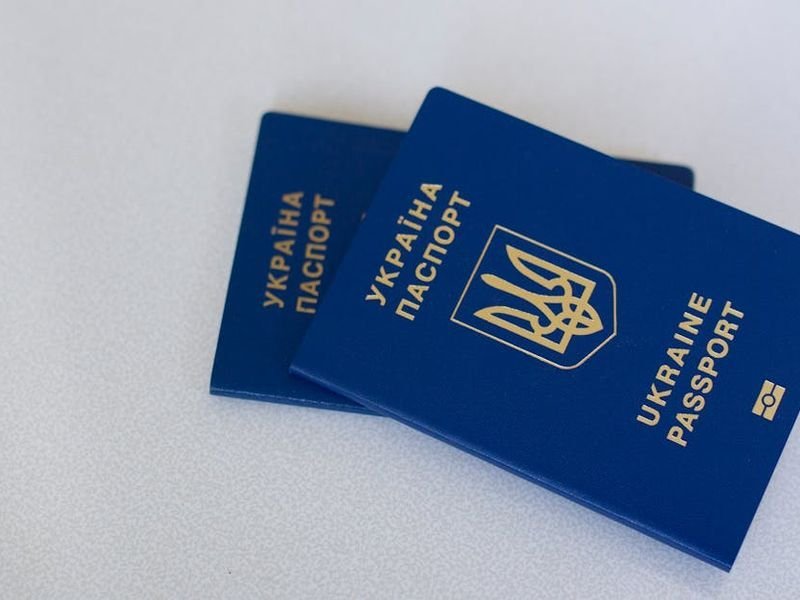
- Collect certified, apostilled copies of vital documents: birth certificate, marriage certificate, and a police background check. Ecuador frequently requires officially authenticated documents for residency and property transactions.
- Request several months of hard-copy medical records and up-to-date prescriptions. Bring original and translated copies if you have chronic conditions.
- Contact your country’s embassy or consulate (the U.S. Embassy is in Quito; there is a consulate in Guayaquil) to register your move and understand consular services available in Ecuador. This is useful for emergencies and voting matters.
- Check visa options. Many retirees use the Pensionado visa if they have a lifetime pension, but there are other categories (rentista, investor, etc.). Requirements change, so consult Ecuadorian immigration or an immigration attorney before applying.
- Arrange international health coverage for the initial months. It can take time to enroll in local systems or find a preferred private clinic.
Packing and Moving: What to Bring and What to Buy in Cuenca
Cuenca has a robust market scene and modern shops, so you don’t need to ship everything. Still, some items are worth bringing:
- Essential medications and at least a 3–6 month supply, plus the prescription in English and the generic drug names.
- Copies of medical records, including recent test results and images.
- Comfortable walking shoes for cobblestones and occasional steep streets, plus a light waterproof jacket for the rainy months.
- Adapters and any niche medical equipment you’ll need; check compatibility and service availability in Ecuador.
For bulky items like furniture, consider renting a furnished apartment for the first 6–12 months. This gives you flexibility to decide whether to ship family heirlooms or buy locally — Cuenca has good quality furniture stores and carpenters who can make custom pieces affordably.
Arrival & First Weeks: Practical First Steps
Your first weeks should focus on settling essentials that make daily life comfortable and safe.
- Get a local SIM card from providers such as Claro, Movistar, or CNT for better rates and local banking two-factor authentication. Bring identification for purchase.
- Open a local bank account to pay rent, utilities, and monthly expenses more easily. Major banks in Cuenca include Banco Pichincha, Banco del Pacífico, and Produbanco. Carry several forms of ID and proof of address when opening an account.
- Look for temporary accommodations near the Centro Histórico or a neighborhood you want to explore. Many seniors prefer being close to Parque Calderón and the cathedral area for convenience, services, and social life.
- Register at a local clinic and schedule a check-up. Even if you’re healthy, a post-move review helps find local specialists and pharmacies.
Healthcare in Cuenca: What Seniors Should Know
Healthcare is one of the strongest draws for retirees in Cuenca — quality care is available at lower prices than in North America. You’ll find a mix of public hospitals and private clinics. The major public hospital is Hospital Vicente Corral Moscoso, and there are IESS facilities for those enrolled in Ecuador’s social security system. Private clinics and specialists are plentiful and many have English-speaking staff or interpreters.
Tips for medical care:
- Bring a list of preferred medications and generic names; sometimes the brand sold locally differs.
- Consider a blended approach: use private clinics for fast specialist access and public hospitals for larger or emergency needs.
- Look into local health insurance plans as you settle — they are generally less expensive than U.S. premiums but read policies carefully for pre-existing conditions and evacuation coverage.
- Identify your nearest emergency room and pharmacy on arrival; emergency calls in Ecuador use 911 nationwide.
Housing Options: Choosing a Neighborhood that Fits Your Needs
Cuenca has a range of housing choices: colonial apartments near the Plaza Grande, modern high-rises, and single-family homes in quieter suburbs. Some factors to weigh:
- Mobility and stairs: many older colonial buildings have stairs and no elevators. If mobility is a concern, prioritize buildings with elevators or ground-floor units.
- Noise and accessibility: the Centro Histórico is vibrant but busier; suburban neighborhoods can be calmer but may require more taxi rides for errands.
- Security features: gated communities and buildings with doormen are available if personal safety is a priority.
- Proximity to healthcare: being close to private clinics or hospitals can give peace of mind for those with frequent appointments.
Work with a local real estate agent who understands expat needs. Always inspect plumbing and windows for damp and mold — Cuenca’s rainy season can cause humidity problems in poorly sealed homes.
Daily Life: Groceries, Utilities, Weather, and Transportation
Living in Cuenca day-to-day is comfortable but different from life in North America or Europe. Here’s what to expect:
- Groceries: the city has supermarkets with international products as well as colorful mercados where you’ll find fresh fruits, vegetables, and local specialties at low prices.
- Utilities: electricity and water are generally reliable; many homes use gas cylinders for cooking. Internet is widely available and speeds are improving; providers include Claro, Movistar, and CNT.
- Weather: Cuenca has a temperate climate year-round. Expect cooler nights and a rainy season; pack layers rather than heavy winter coats.
- Transportation: taxis are inexpensive and plentiful. Ride-hailing apps and local taxi services operate in the city. Public buses are available but can be crowded; walking is often the best way to explore the historic center.
Language, Community and Staying Social
Spanish is the language of daily life. While many people in hospitals, shops, and expat-oriented services speak English, basic Spanish will dramatically improve your experience. Practical tips:
- Enroll in a community language class or one-on-one tutoring. Many senior expats host or join language exchanges.
- Connect with expat social groups, clubs, and volunteer organizations. Cuenca has active expat meetups, cultural centers, and hobby clubs focused on walking, gardening, art, and music.
- Attend local cultural events. Cuenca’s calendar includes concerts, artisan markets, and church festivals that are wonderful ways to meet neighbors and learn about Ecuadorian culture.
Safety, Fraud Awareness, and Peace of Mind
Cuenca is considered one of Ecuador’s safer cities, but no city is without petty crime. Simple precautions go a long way toward keeping you safe and comfortable:
- Avoid displaying large amounts of cash or expensive jewelry in public.
- Use licensed taxis or ride-hailing apps after dark and share your plans with a neighbor or friend.
- Keep copies of important documents in a secure location and maintain digital backups in encrypted cloud storage.
- Learn common local scams so you can spot them early — ask other expats or your landlord for the most up-to-date warnings.
Money Management: Banking, Taxes, and Cost of Living
One of Cuenca’s attractions is a lower cost of living compared with many North American and European cities. However, managing finances from abroad requires attention:
- Open a local account to simplify payments for rent, utilities, and local services. Note that some banks require proof of residency.
- Keep an international debit card for emergencies and larger purchases; check ATM fees and foreign transaction charges.
- Consult a tax advisor familiar with both your home country and Ecuadorian tax laws. Residency can change your tax filing requirements.
- Create a monthly budget that includes private healthcare, home maintenance, utilities, and leisure activities. Many retirees find a comfortable lifestyle in Cuenca for significantly less than in their home countries, but costs vary with lifestyle choices.
Residency, Long-Term Stay, and Legal Tips
If you plan to make Cuenca your long-term home, navigating residency and legal matters is crucial:
- Decide whether you will pursue a Pensionado visa, rentista, investor, or another category. Each has documentation requirements and processing timelines.
- Use an immigration attorney or reputable relocation service to guide you through the paperwork. Officials and rules can change; local experts speed the process and reduce frustration.
- Bring extra passport photos and keep multiple certified copies of key documents. You’ll use them for everything from opening bank accounts to registering utilities.
Moving Pets to Cuenca
If you’re bringing pets, plan ahead — vaccines, microchips, and official veterinary certificates are usually required. Procedures vary by country and can include an import permit. Contact Ecuador’s agricultural authority and speak with an experienced international pet transporter to avoid quarantine surprises.
Checklist: First 90 Days in Cuenca
Here’s a practical timeline to guide your early months:
- Week 1: Secure temporary housing, buy a local SIM card, open a bank account, and register with a clinic.
- Weeks 2–4: Explore neighborhoods, attend language classes, and shop for household basics. Meet neighbors and local expats.
- Months 2–3: Decide on long-term housing, begin residency paperwork if needed, and research local insurance plans. Find a primary care doctor and schedule any specialist appointments.
Final Thoughts: Making Cuenca Feel Like Home
Relocating to Cuenca as a senior is exciting and entirely achievable with the right preparation. Focus on organizing essential documents, healthcare continuity, and a comfortable first-home setup. Embrace the local culture, build a social support network, and allow a flexible transition period. With patience and planning, Cuenca can become more than a retirement destination — it can become the place where you live fully, safely, and happily.
Still unsure where to start? Begin with a short exploratory visit — rent a furnished apartment for a month, explore neighborhoods, meet other expats, and test daily routines before making the final move. That low-risk first step will answer many questions and save you time and money in the long run.