
Table of Contents
Why Cuenca Belongs on Every Photographer’s Map
Cuenca, Ecuador—set high in the Andean highlands at about 2,550 meters (8,370 ft)—is a jewel for photographers. Its compact historic center, blue-tiled cathedral domes, river terraces, artisan towns and nearby páramo landscapes create a rare combination of architectural, cultural and natural scenes within easy reach. Whether you shoot landscapes, street life or detail work, Cuenca delivers color, texture and atmosphere across all seasons.
Essential Practicalities Before You Shoot
Before we get into locations, a few practical notes will help you plan better shoots:
- Altitude and weather: Expect cool mornings and strong midday sun. Dress in layers—sun to cold can change in hours. Batteries drain faster at altitude, so bring spares.
- Best seasons: Dry months (June–September) offer clearer skies for mountain vistas; the wet season (October–May) creates lush landscapes, misty mornings and dramatic clouds for moody photos.
- Permissions & drones: Drone flights are regulated; check with Ecuador’s civil aviation authority (DGAC) and local park offices before flying. Inside museums and some churches, photography might be restricted—always ask.
- Respect and safety: Ask before photographing people, particularly in markets and indigenous communities. Cuenca is generally safe, but use standard precautions with gear—camera straps, zipped bags and staying aware in crowded spots.
Top City Vistas and Panoramas
Mirador de Turi
Turi sits on a hill southeast of the historic center and is the classic panoramic viewpoint. From here you can capture sweeping vistas of the red-tile roofs, the New Cathedral’s blue domes and the surrounding Andes. Sunrise and sunset are spectacular—soft light on the domes and long shadows through the streets. A telephoto or medium-tele zoom (70–200mm) will compress the scene and isolate architectural details, while a wide-angle (16–35mm) captures the urban sprawl and Andes backdrop.
Cathedral Towers (Catedral de la Inmaculada Concepción)
The New Cathedral’s towers are an iconic subject. If you can arrange access to climb (tickets or guided climb may be required), the vantage point rewards you with close-ups of the blue domes and an elevated view of Parque Calderón and the historic grid. For night photography, the cathedral lit against the deepening sky makes a dramatic subject—use a tripod and long exposure to capture glow and traffic trails.
Riverside and Neighborhoods for Street & Architectural Photography
El Barranco and the Tomebamba River Promenade
The riverside walkways along the Tomebamba combine riverside reflections, ornate bridges and colorful colonial facades. Early morning light gives soft reflections on the water; late afternoon offers warm tones on the stone bridges. Look for stairways that lead down to the river—these create layered compositions with people, flowers and boats.
Calle Larga and Calle Simon Bolivar
Calle Larga (“Long Street”) and nearby shopping streets are perfect for street photography: colonial arcades, artisan shops, coffeehouses and local life. Photograph open shopfronts, artisans working the same way you see them. Move beyond posed shots—capture candid moments of vendors, musicians, and daily routines. A fast prime (35mm or 50mm) helps you blend in and shoot discreetly.
Markets and Color: Where Life Unfolds
Central Market (mercado central)
The central market is a riot of color: fruits, flowers, herbs, meats and cooked-food stalls that provide endless detail shots. Capture textures—baskets of maize, stacks of oranges, vibrant chilies—and the hands of vendors preparing traditional foods like hornado or llapingachos. Use a 24–70mm zoom for flexibility and a short tele for candid close-ups.
Artisan Neighborhoods: Chordeleg and Gualaceo (Day Trips)
Just outside Cuenca, craft towns like Chordeleg (known for silver filigree) and Gualaceo (weaving and markets) offer portraits, macro shots of jewelry and textile patterns, and rural scenes. Travel early to catch vendors setting up; mid-morning light is ideal for detail work. Bring a macro lens or a short tele to isolate patterns and textures.
Museums, Ruins and Gardens
Museo Pumapungo
Pumapungo is more than a museum; it contains archaeological terraces, Inca ruins and reconstructed indigenous dwellings—with landscaped ponds and orchids. The low, warm light through stonework and native plants makes wonderful contrasty images. There are also guided displays of ethnographic material if you want to photograph artifacts—ask museum staff about policies.
Convent and Historic Courtyards
Cuenca’s convents, monasteries and colonial houses hide intimate courtyards, tiled staircases and carved wooden doors. These make excellent subjects for moody interior composition and details—patinaed wood, ironwork, and ceramic tiles. Use a wide aperture for shallow depth of field and to isolate textures.
Nature Nearby: El Cajas National Park and Highland Landscapes
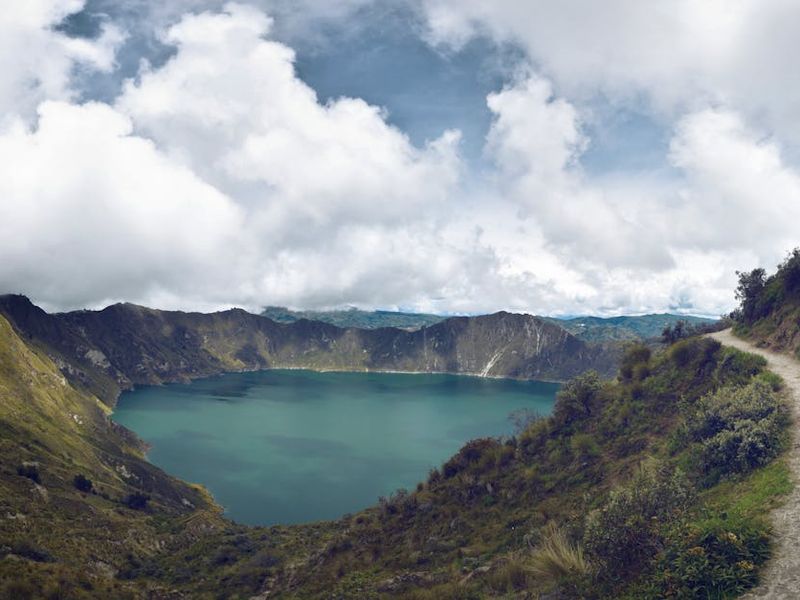
Less than an hour from Cuenca, El Cajas National Park is a photographer’s dream: high-altitude lagoons, pumice fields, moorland and weather that changes by the hour. For dramatic landscapes, target the lagunas at sunrise with calm reflections; pack a tripod, graduated ND filters and warm clothing. Wildlife—especially birds—appears at dawn; bring a telephoto (300mm or longer) for birding shots.
Recommended Photo Walks and Itineraries
Sunrise Short Route (2–3 hours)
- Start at Parque Calderón for early morning street scenes and bakeries opening.
- Walk to the cathedral and capture close-ups of the domes.
- Descend to the Tomebamba riverwalk to photograph reflections and stairways.
- End at Museo Pumapungo for ruins and gardens as the light warms.
Golden Hour + Sunset Route
- Spend afternoon in Calle Larga and artisan shops for candid portraits and detail shots.
- Head to El Barranco for late-afternoon riverside compositions.
- Drive or take a taxi to Mirador de Turi for sunset panoramas; stick around for blue hour city-lights shots.
Gear, Settings and Techniques for Cuenca
- Lens choices: A wide-angle (16–35mm) for cityscapes and interiors, a 24–70mm for versatile walking shots, a 70–200mm for details and compressing distant domes, and a 100–400mm or 300mm for birds and Cajas wildlife.
- Stabilization: A compact tripod is essential for low-light cathedral interiors, blue hour panoramas and long exposures of rivers.
- Filters: Circular polarizer to deepen skies and control reflections on the Tomebamba; ND filters for silky water at waterfalls or long exposures by the river.
- Camera settings: For street work use shutter speeds above 1/250s for moving subjects; for architecture and landscapes use small apertures (f/8–f/16) to maximize depth of field.
- Backup and storage: Bring extra batteries, memory cards, and a lightweight backup drive if you’ll be on multi-day trips to Cajas or artisan towns.
Cultural Etiquette and Portrait Tips
Photographing people requires sensitivity. Most Cuencanos are friendly but appreciate respect. A few useful Spanish phrases open doors: “¿Puedo tomarle una foto?” (May I take your photo?), or “¿Le gustaría que le muestre la foto?” (Would you like to see the photo?). If someone declines, smile and say gracias. In markets, offer to buy something or give a small tip when someone spends time posing. For festivals and religious processions, be especially discreet and follow local rules—some events prohibit flash or close-up photos.
Night Photography and Long Exposures
Cuenca’s evening lights—especially the cathedral and riverside—are perfect for long exposures. Arrive before sunset to compose and lock down your tripod. Use remote shutter or two-second delay to reduce camera shake. City streets present opportunities for motion blur with pedestrians and traffic; experiment with shutter speeds from 1/4s to several seconds depending on the effect you want.
Hidden Gems and Less-Crowded Spots
Beyond the headline spots, explore small alleys off Calle Larga, seek out rooftop cafés for unusual perspectives, and stroll residential neighborhoods for color and tiled roofs. Small neighborhood parks and schoolyards often show authentic daily life away from tourists. If you have time, ask locals for recommendations—many Cuencanos will point you to tiny chapels, sculpted doorways and family-run ateliers that are visually rewarding.
Post-Processing and Storytelling
Cuenca’s palette—warm terracotta roofs, vivid textiles and sky blues—responds well to moderate saturation and contrast adjustments. In post, emphasize textures (stonework, textiles) and keep skin tones natural for portraits. When building a photo essay, alternate wide establishing shots with intimate details and portraits to create narrative flow.
Final Tips: Plan, Explore, and Be Patient
Great images in Cuenca combine planning with serendipity. Scout locations on foot, arrive at golden hours, and return to the same spot with different light. Engage with local artisans and vendors—many will let you photograph their craft if you show genuine interest. Above all, slow down and enjoy the city’s rhythms: Cuenca yields its best photographs to those who take the time to look closely.
With these routes, gear recommendations and cultural tips, you’re ready to photograph Cuenca’s iconic domes, riverside reflections and vibrant street life. Pack smart, ask permission, and let the city’s textures and light guide your lens.