
Table of Contents
Why Cuenca is a Great Place to Go Green
Cuenca’s compact historic center, temperate mountain climate, and strong local food culture make it one of Ecuador’s most livable cities—and a natural fit for someone who wants to live more sustainably. As an expat you can take advantage of walkable neighborhoods, nearby farmland, a thriving artisan economy and abundant green spaces to reduce your environmental impact without sacrificing comfort.
This guide walks through practical, realistic ways to make your daily life in Cuenca greener: transport choices, shopping and waste strategies, energy and water savings, sustainable housing, and ways to plug into the local environmental community.
Start with Where You Live: Choosing a Greener Home
Before you sign a lease or buy property, think about location and basic building features. Living near El Centro Histórico, the Tomebamba River, Parque Calderón or other central neighborhoods reduces daily transportation needs because shops, markets and cafés are within walking distance.
If you have flexibility, look for apartments or houses with:
- Good natural ventilation and sunlight to reduce heating and lighting needs
- Space for a small compost bin or balcony plants
- South- or east-facing windows (at Cuenca’s elevation this helps capture available warmth)
- Existing solar hot water or room for rooftop panels—many homes can benefit from adding a small PV array
Even in an apartment you can make effective choices: insulating curtains, draft-proofing doors and using thermal layers at night keep energy use low. If you rent, ask landlords about energy upgrades they may already have or be willing to install.
Retrofits That Pay Off
Simple improvements deliver comfort and savings: replace incandescent bulbs with LEDs, install low-flow showerheads, and use smart power strips to kill vampire power. These are relatively inexpensive and commonly available from local hardware stores in Cuenca.
Shop Local, Seasonal, and Minimal Packaging
One of the fastest ways to reduce your footprint is changing where and how you buy food and household items. Cuenca’s markets and local producers make it easy to shop fresh and waste less.
Best Places to Buy Fresh Produce
Weekly and municipal markets around the city sell freshly harvested vegetables and fruits from the Andean valleys. Buying at mercados and street stalls typically means less plastic packaging and far lower transport emissions than supermarket imports. Tip: bring a set of reusable produce bags and small cloth sacks for bulk purchases.
Look for Bulk and Refill Options
Zero-waste and refill shops are slowly increasing in Cuenca. When shopping at supermarkets, head to sections where you can buy in bulk—rice, lentils, and grains—using your own containers if the vendor allows. For oils, vinegars and cleaning products ask for refills when possible or favor glass bottles over single-use plastics.
Reduce, Reuse, Recycle: Practical Waste Strategies
Waste management infrastructure varies by neighborhood, so learning local systems is key. Here’s a practical action plan for minimizing trash as an expat:
- Reduce: Avoid single-use plastics. Carry a foldable tote and a reusable coffee cup and water bottle.
- Reuse: Shop at thrift stores or markets for household items and repurpose containers.
- Recycle: Ask your building manager or neighbors about collection points; many neighborhoods have informal recyclers who purchase segregated materials.
If your building doesn’t have separate bins, set up a simple three-bucket system in your kitchen—organics, recyclables, and trash—and locate the nearest municipal or private recycling drop-off. Facebook groups or local expat communities can be great resources to find reliable collectors or cooperatives.
Composting in the City
Composting organic waste reduces landfill volume and produces rich soil for balcony plants or a backyard garden. For apartment dwellers, vermicomposting (worm bins) or bokashi systems work well because they’re compact and low-odor. If you have a yard, a classic compost pile or tumbler is even better.
If you don’t want to compost yourself, look for community gardens or neighborhood farmers who will accept kitchen scraps—many small-scale farmers appreciate the free compost material.
Move Smarter: Transport Options that Save Carbon
Compared to many large Latin American cities, Cuenca is very walkable and compact. Where walking won’t do, choose low-impact options:
- Walk or bike for errands and short commutes—many central streets and riverside paths make this enjoyable.
- Use buses for longer distances. The municipal buses are inexpensive and cover much of the city.
- Opt for taxis sparingly; share rides when possible or use ride-hailing apps if available.
- Consider an electric bicycle or scooter for daily trips—commonly used and easier to park than a car.
If you do own a car, prioritize fuel-efficient models and combine errands to reduce trips. Parking in El Centro can be limited, so downsizing to a motorcycle or small vehicle often makes sense.
Save Energy Without Sacrificing Comfort
Cuenca’s highland climate is mild but cool at night. Smart energy habits make a big difference:
- Dress in layers instead of heating rooms—wool and alpaca clothing are locally available and excellent insulators.
- Use programmable timers on water heaters and heaters so they run only when needed.
- Install LED lighting and choose energy-efficient appliances when replacing old ones.
- Unplug chargers and reduce standby power use—many devices draw power even when off.
For longer-term investments, small rooftop solar arrays and solar water heaters are increasingly affordable and can reduce reliance on grid electricity.
Water Conservation in the Andean Highlands
Although Cuenca is fed by mountain streams and reservoirs, seasonal variability and distant climate impacts make conservation wise. Practical steps:
- Take shorter showers and use low-flow showerheads.
- Fix leaks promptly—small drips waste significant water over time.
- Collect rainwater for gardening—simple barrels under downspouts work well.
- Use native and drought-tolerant plants on balconies and in yards to reduce watering needs.
Many neighborhoods encourage water-wise landscaping; consider xeriscaping principles if you’re establishing a garden.
Support Local Circular Economy and Artisans
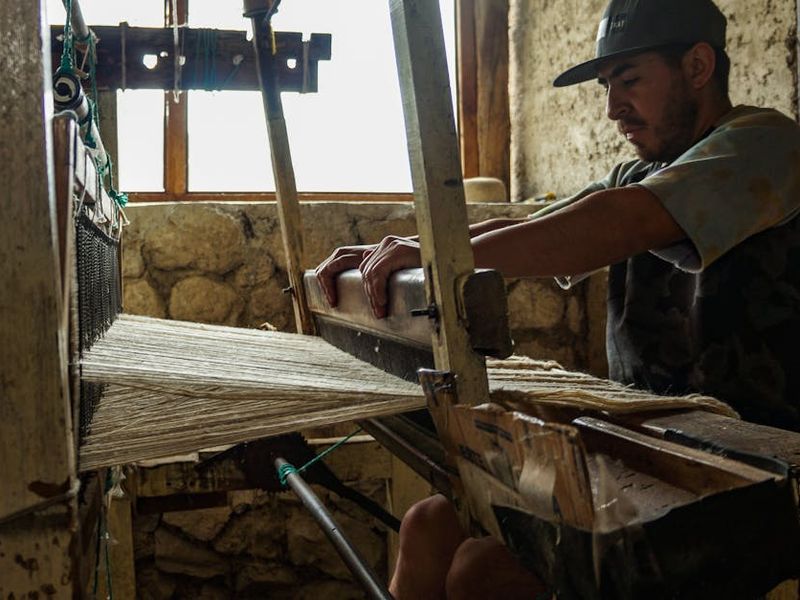
Cuenca has a strong artisan tradition—leather goods, textiles, ceramics and panama hats (actually originating in Ecuador). By buying locally made products you reduce imported goods’ transport footprint and support the local economy.
Visit artisan markets near the city center and smaller neighborhood stores. Learn to repair or re-wear handicrafts; tailoring and shoe repair shops are common and inexpensive compared with replacing items.
Green Food Choices: Eat Seasonally, Reduce Meat
The surrounding highland valleys produce excellent vegetables, tubers and grains. Eating seasonally and reducing red meat can significantly lower your personal footprint.
- Try ecuadorean vegetarian dishes and adapt local staples—potatoes, corn, beans, mote, and llapingachos can be the basis of filling, low-impact meals.
- When you do eat meat, buy from local producers rather than imported supermarket cuts. Smaller producers often use more sustainable practices and shorter supply chains.
- Grow a small herb or salad patch on a balcony or windowsill; itʼs inexpensive and reduces packaging and travel miles.
Explore Eco-Friendly Outdoor Activities
Cuenca is a gateway to spectacular ecosystems—Tomebamba river walks, Cajas National Park, and highland páramo nearby. Enjoy these places responsibly:
- Stay on designated trails and follow park regulations to protect fragile flora and fauna.
- Use local guides to support the community and learn low-impact techniques specific to the region.
- Carry out all trash and minimize single-use items on hikes.
If you visit Cajas, be aware of altitude and fragile wetland systems—avoid disturbing cushion plants and keep to paths.
Plug Into the Community: Volunteering and Local Groups
Sustainability is social as much as technical. Connect with local environmental organizations, municipal initiatives and expat networks to share knowledge and resources. Activities you might find include neighborhood cleanups, tree-planting days, and workshops on recycling and composting.
Check community bulletin boards in neighborhood cafés, expat Facebook groups, or ask at local universities and museums like Museo Pumapungo for events. Participation is a great way to meet people and learn what recycling and conservation options are available in your exact barrio.
Everyday Habits That Add Up
You don’t need to overhaul your life overnight. Small, consistent changes are easier and more sustainable. Consider starting with a month-long challenge: refuse single-use plastic, walk to work three days a week, or try a meat-free week. Track progress—saving money and feeling healthier are common side benefits.
Final Tips and Checklist for Newcomers
Here’s a compact checklist to put knowledge into action when you arrive in Cuenca:
- Choose a central or well-connected neighborhood to reduce travel needs.
- Buy a reusable water bottle and coffee cup immediately—plastics add up fast.
- Scout local mercados and start building relationships with vendors for fresher, lower-packaged food.
- Set up a simple kitchen sorting system for compost, recyclables and trash.
- Learn where your neighborhood’s recycling drop-off points or collectors are located.
- Explore walking and cycling routes; pick up a foldable bike if you plan regular short trips.
- Attend a community environmental event to meet like-minded locals and expats.
Cuenca’s blend of compact urban life, rich local agriculture and an active civic culture makes sustainable living practical and rewarding for expats. You’ll find that many green choices also help you feel more connected to the city and its people—an added bonus beyond the environmental benefits.