
Table of Contents
Why Cuenca’s Pace Feels Different—and Why That’s a Gift
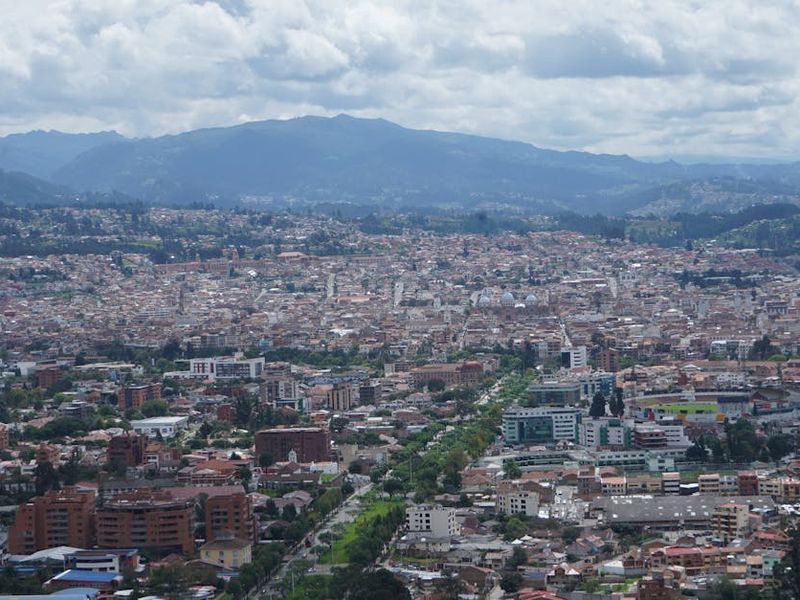
Cuenca, Ecuador, with its blue-domed cathedral, riverside promenades and UNESCO-listed historic center, moves at a calmer tempo than many North American and European cities. The slower rhythm isn’t laziness—it’s a cultural preference that prizes community, time outdoors and a balance between work and life. For newcomers, that gentler pulse can feel disorienting at first. But once you learn to flow with it, you may find your stress levels drop and your days gain room for simple pleasures.
First Steps: Practicalities to Make the Transition Easier
Begin with a few practical moves that reduce friction while you learn local routines. These actions will save time and help you feel secure as you settle in.
- Hydrate and acclimatize: Cuenca sits at roughly 2,560 meters (8,400 feet). In your first week take it easy—drink water, sleep well and avoid heavy exertion until you feel adjusted to the altitude.
- Layer your wardrobe: days can be sunny and mild while nights turn cool. Bring lightweight layers, a good rain jacket for the wet season and comfortable walking shoes.
- Get a local SIM and set up mobile banking: connectivity makes life smoother. Local carriers offer prepaid plans and SIM cards at the airport and shops; many banks provide online options, though in-person lines still happen.
- Choose a central base for your first month: staying in or near the historic center (around Parque Calderón and the Tomebamba River) makes it easy to explore on foot and test neighborhoods.
Embrace Walking and the City’s Public Spaces
Cuenca’s compact historic center is exceptionally walkable. Strolling along the Tomebamba River, meandering through plazas, or lingering in a café to watch daily life unfold are quintessential Cuenca experiences. Walking is also the best way to learn where essentials are—markets, pharmacies (farmacias), and small grocery stores (colmados or abastos).
Make time for Parque Calderón, the manicured plazas, and riverside paths at least a few times a week. These spaces are where locals gather for family time, music, and weekend artisan fairs. If you’re used to a fast commute or packed schedules, swap one hurried errand a week for a long, slow walk and see how your perspective changes.
Slow Business, Smooth Results: Adjusting Expectations
One of the biggest mindset shifts is accepting that things often take a little longer here—whether it’s opening a bank account, waiting for a repair person, or completing paperwork at a municipal office. This isn’t incompetence; it’s a different workflow and a different sense of urgency.
Tips to cope:
- Buffer your schedule: allow extra time for appointments and services. If something is supposed to take a day, expect two.
- Ask for written timelines: when possible, get confirmation of dates and requirements so you can follow up logically.
- Be patient and courteous: showing frustration rarely speeds things up. A calm approach often brings more helpful service.
Language: Small Efforts, Big Rewards
Spanish is the language of daily life in Cuenca. You don’t need to be fluent to get by, but learning basic phrases and practicing consistently will transform your experience. Most busy markets and neighborhood shops don’t speak much English, and using Spanish opens doors to deeper interactions with neighbors and vendors.
Practical approaches:
- Take a short, intensive class on arrival—two to four weeks gives you a foundation.
- Use language exchanges, cafés, and conversation groups to practice without pressure.
- Carry a pocket phrasebook or offline translation app for grocery and pharmacy runs.
Food, Markets and the Joy of Slow Eating
Eating in Cuenca is a delight for anyone who likes fresh produce and simple, nutritious meals. Weekly farmers’ markets and central markets carry seasonal fruit, tubers and Andean specialties. Try traditional dishes like locro de papa (potato and cheese soup), llapingachos (potato patties), and helado de paila (hand-churned fruit ice cream)—and be brave enough to sample cuy (guinea pig) if you want a truly local experience.
Dining rhythms are relaxed: a hearty lunchtime menú del día is common and economical, and many locals linger over coffee or juice. Instead of rushing meals, plan to sit and enjoy them—Cuenca’s relaxed pace makes this easy.
Health Care and Wellness: High Quality with a Different Flow
Cuenca is known for quality private and public medical services that are far more affordable than in many Western countries. Major clinics and hospitals offer competent care, and many doctors trained abroad or have international experience.
Health tips:
- Arrange travel insurance and consider a local health plan if you’ll stay long-term.
- Bring copies of important medical records and prescriptions; some medications are available over the counter, others require a consultation.
- For altitude-related symptoms, rest and hydration are key. If symptoms persist, seek medical attention—clinics in Cuenca are well-equipped for common issues.
Getting Around: Taxis, Buses and the Option to Walk
Taxis are inexpensive and plentiful in Cuenca. Agreeing on a price up front or asking for the meter is standard. Buses are a low-cost option for farther trips; routes are color-coded and inexpensive. Within the historic center, walking is usually faster and far more pleasant than driving.
If you plan to drive, give yourself time to learn local norms: traffic can be dense in certain areas, parking is limited in the center, and streets are often narrow. Many expats delay buying a car until they know the city well.
Making Friends: Integrating with Locals and Other Expats
Cuenca has an active and welcoming international community. Still, deep integration comes from mixing with locals. Here are ways to build a fulfilling social life:
- Join language exchanges and community classes—cooking, dance, or art provide natural settings to connect.
- Volunteer at local organizations; working side-by-side builds trust faster than casual meetups.
- Attend weekend artisan markets and cultural events by the river—these are lively, friendly places to meet Ecuadorians and other newcomers.
- Use expat forums and local Facebook groups to find informal gatherings, hikes, and conversations.
Money Matters: Budgeting for the Slow Life
Cost of living in Cuenca is typically lower than many North American and European cities, but expenses vary by lifestyle. Eating out, domestic help, and healthcare are affordable compared to many places, while imported goods and certain conveniences can be pricey.
Smart money tips:
- Use cash for small purchases and markets; keep small bills and change for buses and taxis.
- Open a local bank account if you plan to stay. Many banks have helpful English-language services and online banking.
- Budget for irregular but essential costs like utilities, property maintenance, and seasonal events.
Cultural Norms: Respect, Connections, and Local Rhythms
Cuencanos value politeness and face-to-face relationships. Greetings are warm—handshakes or a single cheek kiss are common, and taking time for small talk is appreciated. Religious traditions and festivals are woven into civic life; showing interest and respect will be met with warmth.
Some cultural cues to note:
- Punctuality is flexible in social settings—official appointments tend to be more on-time.
- Business interactions are often relational. Investing time in personal rapport pays off.
- Noise levels and festivities pick up during weekends and holidays. Embrace them as part of the city’s charm.
Finding a Home: Neighborhood Choices for Different Lifestyles
Cuenca offers a variety of neighborhoods, from the bustling historic center to quieter suburban enclaves. Many expats choose the historic heart for walkability and access to cultural life. If you prefer a quieter environment, look for neighborhoods with parks and easy access to supermarkets and clinics.
When house-hunting:
- Rent short-term first (Airbnb or monthly rentals) to explore locations before committing.
- Ask about utilities, internet reliability and building rules—power and gas systems can differ from what you’re used to.
- Consider proximity to markets, healthcare, and public transportation when narrowing choices.
Work and Purpose: How to Fill Your Days
For retirees, artists and remote workers, Cuenca provides an environment ideal for slower, purpose-driven days. If you plan to work locally, check visa requirements and local hiring practices. Remote workers will find many cafés and coworking spaces with reliable Wi-Fi.
Suggestions to cultivate purpose:
- Join a workshop or class—learning a craft or new skill is a great way to connect with locals.
- Start a small project—photo walks, a blog about your new life, or community initiatives create structure and satisfaction.
- Volunteer with local nonprofits or cultural centers to make meaningful ties.
Seasonal Rhythms: What to Expect Weather- and Festival-wise
Cuenca’s climate is often called “eternal spring.” Expect mild days and cooler nights year-round. The city has a rainy season and a dry season—pack an umbrella and plan outdoor activities flexibly. Seasonal festivals and church events mark the calendar and are beautiful ways to connect with the community.
Final Thoughts: Let Time Work Its Magic
Adapting to Cuenca’s relaxed lifestyle is less about changing who you are and more about reshaping expectations. Swap speed for savoring, rush for curiosity, and impatience for exploration. Give yourself at least three months to feel comfortable. By then you’ll have found a favorite bakery, a river bench for afternoon reading, and neighbors who invite you to weekend gatherings. That’s when the city’s true gift—space to live intentionally—becomes clear.
If you’re new to Cuenca or planning a move, lean into its rhythms rather than resisting them. The city rewards patience with beauty, kindness and a life that moves at a human pace.