
Table of Contents
Welcome to a Slower Beat: Why Cuenca Feels Different
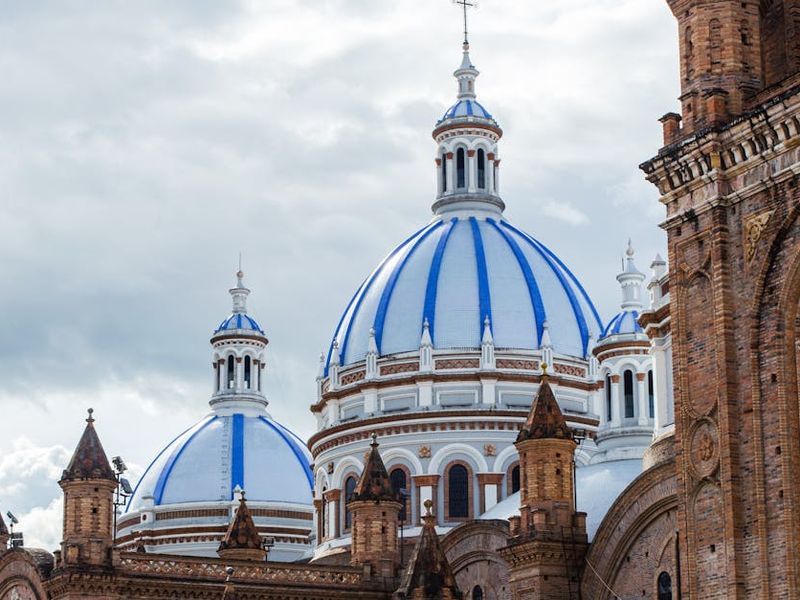
Moving to Cuenca, Ecuador often feels like stepping into a gentler tempo. The city’s colonial streets, the steady flow of the Tomebamba River, and the blue-domed silhouette of the New Cathedral all signal something important: life here values calm and presence. For newcomers raised on fast-paced urban routines, that tranquillity can be a balm — and a challenge. This guide offers practical steps to adjust your expectations, shape daily routines, and actually enjoy the relaxed lifestyle Cuenca invites you into.
Understand the Local Rhythm
Cuenca’s pace is visible in small details: shopkeepers who pause for a long lunch, leisurely markets where purchases are accompanied by conversation, and neighborhood plazas that fill with people in the late afternoon rather than the pre-dawn rush common elsewhere. Embracing this rhythm starts with observation. Spend your first week watching: when do stores open, when do streets quiet down, and when do neighbors gather? Knowing these patterns helps you plan errands, social life, and work without friction.
Practical tip: Keep a simple schedule
Create a flexible daily plan that honors local peaks and lulls. For example, schedule doctor appointments mid-morning, grocery shopping in the late morning, and errands in the early afternoon. Save creative or focused work for hours when you’re most alert and put low-energy tasks (emails, bills, laundry) into quieter windows.
Layer Your Wardrobe — The Altitude Effect
Cuenca sits at around 2,560 meters (about 8,400 ft), which brings a cool, spring-like climate year-round. Temperatures can shift from chilly mornings to bright, sunny afternoons in a matter of hours. The solution is simple: layers.
- Pack light sweaters, a windbreaker, and a warmer coat for evenings.
- Bring sun protection — wide-brim hat and sunscreen — because UV levels at altitude are strong.
- Comfortable walking shoes are essential; cobblestones in the historic center demand good soles.
Health and Wellbeing: Small Steps, Big Comfort
Even if you’ve lived at high altitude before, give yourself a couple of days to acclimate. Drink water regularly, avoid heavy exertion the first 48 hours, and notice how your body responds to the cooler nights. Cuenca’s healthcare options are strong for a city its size — private clinics and skilled dentists are widely available — but having a basic plan helps you relax.
Practical tip: Essentials to organize early
- Carry a small first-aid kit, altitude-safe medications, and any prescription refills from home.
- Register your residence details with your country’s embassy and save local emergency numbers — Ecuador uses 911 for emergencies.
- Consider a local doctor or clinic for routine care; many expats recommend connecting with bilingual physicians for smoother communication.
Food, Markets and Embracing Slow Meals
Cuenca is a place to rediscover mealtime as an event. Markets brim with fresh produce, herbs and flowers, and neighborhood bakeries produce bread daily. Local dishes — like a creamy locro de papa, savory hornado, and the famed helado de paila (hand-churned ice cream) — invite you to savor rather than rush.
Practical tip: How to integrate food culture
- Try shopping at a mercado one morning a week to pick the freshest ingredients and practice your Spanish with vendors.
- Schedule longer lunches; many restaurants and cafés offer a relaxed midday atmosphere ideal for reading or people-watching.
- If you’re adventurous, taste cuy or local soups at family-run restaurants — and ask locals for recommendations to find authentic spots.
Daily Transportation: Walk, Bus, or Taxi?
Cuenca’s compact historic center makes walking arguably the best way to absorb the city’s character: the plazas, the riverbank promenades, and the churches. Public buses are inexpensive and cover wider neighborhoods, while taxis are plentiful and affordable for late-night trips or longer distances.
Practical tip: Getting around smoothly
- Carry small change for bus fares and market purchases; cash is king in many local settings.
- Ask your landlord or neighbors for recommended taxi drivers and typical fares so you avoid misunderstandings.
- For weekend hikes or trips to Parque Nacional Cajas, consider renting a car or joining local tour groups to reach trailheads comfortably.
Language and Social Life: Slow Conversations, Deeper Connections
One of the kindest aspects of a relaxed city is the space for conversation. People in Cuenca often take time to chat, ask about family, and build acquaintances into friendships. For expats, learning Spanish opens doors — not just to better services and easier errands, but to being invited into community life.
Practical tip: Practical ways to practice Spanish
- Attend language exchanges in parks or cafés — these informal meetups are common and a low-pressure way to practice.
- Volunteer with local organizations or cultural centers; volunteering creates repeated social contact and helps you feel rooted.
- Learn a few social customs: a single cheek kiss or a warm handshake may be typical when meeting neighbors, and formal ‘usted’ is often used in respectful contexts.
Housing: Colonial Charm and Practical Realities
Cuenca’s housing ranges from colonial apartments with high ceilings to modern condos with elevators. Older buildings bring charm — wooden doors, tiled floors, and covered balconies — but may lack central heating. Water heaters are common but can be gas-powered and require attention.
Practical tip: What to check when renting
- Inspect hot water system and pipes; ask the landlord about gas supply and maintenance routines.
- Check for secure windows and locks, and whether mesh screens are installed if you like fresh-air nights.
- Ask about internet options and speed — neighborhoods vary, and some providers are more reliable than others.
Work and Productivity: Carving Out Focus in a Relaxed Town
If you work remotely or operate a business, the relaxed environment can be a blessing for creativity — if you build structure into your day. Since local hours and services can be slower, be proactive about scheduling client calls or delivery pickups.
Practical tip: Blend local tempo with modern productivity
- Designate a workspace free from home distractions; many cafés and coworking spaces in Cuenca welcome remote workers.
- Block time in your calendar for deep work and protect it — then use low-energy windows for administrative tasks or local appointments.
- Be clear with clients about your time zone and local holiday schedule to avoid last-minute surprises.
Culture, Leisure, and Making Cuenca Feel Like Home
To truly embrace Cuenca’s peaceful way of life, allow your leisure to slow down too. Explore the riverside paths early in the morning, take a weekend trip to Parque Nacional Cajas to hike among Andean lakes, or spend an afternoon at Museo Pumapungo learning the region’s history. Attend a local concert or a folk festival in the plaza to feel the city’s pulse without pressure.
Practical tip: Plan slow but meaningful outings
- Schedule one intentional outing each week — a museum, market, or nearby village like Gualaceo or Chordeleg, known for crafts and jewelry.
- Engage with local arts and community centers; many cultural activities are affordable and intimate.
- Reserve lazy Sundays for walking by the Tomebamba, sitting with a coffee near Parque Calderón, and simply watching daily life unfold.
Money Matters: Budgeting for a Gentler Life
Ecuador uses the U.S. dollar, which simplifies banking for many expats. While Cuenca’s cost of living is generally lower than large North American or European cities, services geared to foreigners — some imported goods and upscale restaurants — can carry premium prices. A relaxed lifestyle often means spending more on experiences (cafés, cultural events) rather than on fast consumerism.
Practical tip: Smart money moves
- Use ATMs from major banks and carry a mix of cash and card; it’s handy to have small bills for markets and taxis.
- Shop at local mercados and neighborhood stores to keep groceries and meals affordable.
- Track your monthly spending for a few months to understand your new baseline and adjust expectations accordingly.
Patience as a Practice: Tools to Stay Grounded
Adapting to Cuenca’s relaxed lifestyle is less about giving up speed and more about choosing a different kind of efficiency: one that protects calm, deep relationships, and wellbeing. Foster patience as a daily practice — breathe, observe, and allow small inconveniences to pass without turning them into stressors.
Practical tip: Daily grounding rituals
- Begin each morning with a short walk along the river or a quiet coffee on a balcony to set a calm tone.
- Keep a gratitude list of small local pleasures — a favorite baker, a friendly neighbor, a park bench with good light.
- Set boundaries with work: define a firm end-of-day ritual to signal rest in a slower city.
A Sample Week to Ease You In
Here’s a simple weekly template to help integrate the suggestions above:
- Monday: Explore your neighborhood on foot; find the nearest mercado and a preferred café.
- Tuesday: Visit a clinic or dentist for routine checks (if needed) and schedule language lessons.
- Wednesday: Work-focused day with evening language exchange or salsa class.
- Thursday: Cultural outing — museum, craft markets in nearby towns, or a guided walking tour of the Historic Center.
- Friday: Social night with neighbors or friends at a relaxed restaurant near Parque Calderón.
- Saturday: Longer excursion to Parque Nacional Cajas or visit artisan towns (Gualaceo, Chordeleg).
- Sunday: Slow morning, long walk by the river, afternoon reading or a nap, and an early dinner.
Final Thought: Let Cuenca Change Your Pace
Adjustment isn’t about forcing yourself to become someone else; it’s about opening to what a place has to teach. Cuenca’s beauty is not only in its architecture or climate but in the invitation to live with more intention. By tuning into local rhythms, setting simple routines, and prioritizing health and connection, you can transform initial discomfort into a richer, more present life. Embrace the slower beat — it may very well become the most valuable part of your day.
If you’re ready to start, walk to the nearest plaza, sit with a cup of coffee, and let the city show you how to breathe a little easier.