
Table of Contents
Why Visit the Southern Highlands?
The southern highlands of Ecuador offer a captivating blend of colonial cities, mountain valleys, pristine páramo and warm microclimates. This region—anchored by Cuenca, Loja and the valley town of Vilcabamba—provides dramatic scenery, a strong craft tradition, lively music and a relaxed expat scene. Whether you want cultural immersion, high-altitude hiking or a slower pace in a valley with a spring-like climate, this corner of Ecuador makes a perfect multi-stop itinerary.
Quick Orientation: Distances, Altitudes and Climate
Understanding altitude and travel times helps plan your trip. Cuenca sits at about 2,560 meters (8,400 ft), Loja around 2,060 meters (6,760 ft) and Vilcabamba down in the valley at roughly 1,500 meters (4,900 ft). Expect cool, crisp mornings and evenings in Cuenca and Loja, while Vilcabamba feels noticeably warmer.
The highlands have a drier season roughly from June to September and a wetter stretch from October through May. But microclimates are common—pack layers, a waterproof shell and sunscreen. If you’re sensitive to altitude, give yourself a day or two in Cuenca before tackling higher hikes like El Cajas National Park.
Getting There and Getting Around
Air and Bus Options
Cuenca’s Mariscal La Mar airport (CUE) and Loja’s Catamayo airport (LOH) handle domestic flights to Quito and Guayaquil; schedules can change, so check flights in advance. Long-distance buses are reliable and economical—cooperative bus companies serve frequent routes between Cuenca and Loja. Night buses are an option to save time and a night of lodging, but be prepared with layers and earplugs due to curvy mountain roads.
Renting a Car vs. Public Transport
Renting a car is attractive if you want freedom to explore remote valleys and artisan towns at your own pace. Roads can be steep and narrow; local driving habits are different from North America or Europe, so take it slow. If you prefer not to drive, regional buses and shared vans (colectivos) reach many small towns. In-city taxis are plentiful—use radio taxis or ride-hailing apps where available, and avoid unmarked cars at night.
Cuenca: Colonial Charm, Craft Markets and Mountain Access
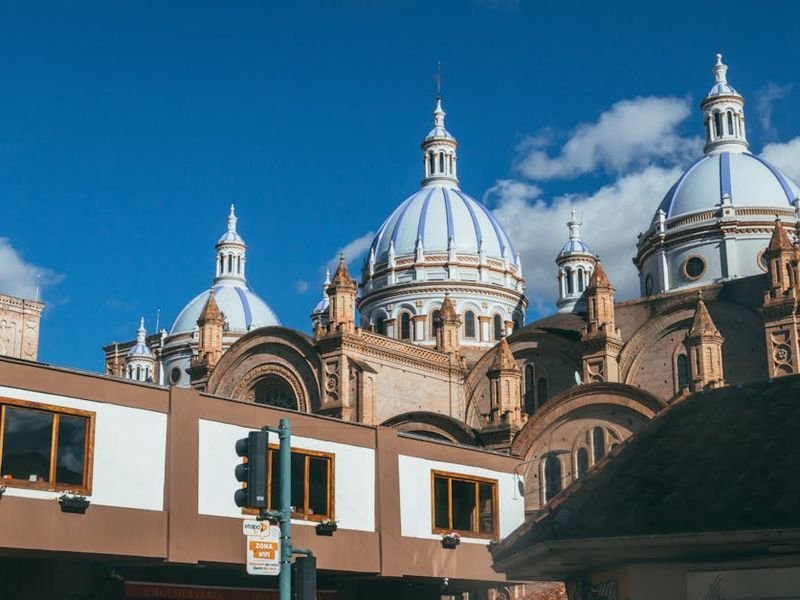
Cuenca is the region’s cultural hub. The historic center’s plazas, blue-domed cathedral and whitewashed churches are irresistible for wandering. Start at Parque Calderón to orient yourself, then explore nearby museums and shops.
Must-See Sights and Practical Tips
- Museo Pumapungo: Combine ethnographic exhibits with on-site Inca ruins and gardens—great for context on the region’s indigenous history.
- Turi viewpoint and the Santa Ana neighborhood: Walk the stepped streets for panoramic views and artisan workshops. The climb is worth it early in the morning or for sunset.
- El Cajas National Park: A two-hour drive brings you into high páramo with glacial lakes and superb birding. Hire a guide for safer navigation if you plan to hike deeper into the park.
- Panama hat shopping: Cuenca is a major center for the traditional hats—look for quality, try them on, and learn the hat grades (tightly woven hats cost more).
Where to stay: choose the Centro Histórico for convenience, or the quieter neighborhoods of El Batán or Turi for views and peaceful lodging. Food scene: try local staples like locro de papa (a hearty potato soup with cheese and avocado), hornado (roast pork), and at adventurous moments, cuy (guinea pig) at traditional eateries.
Day Trips and Artisan Routes from Cuenca
The neighboring valleys are rich in crafts and nature. Gualaceo and Chordeleg are popular for their markets—silver filigree, jewelry, and textiles. A combined day trip lets you see the artisan work process, shop for locally made goods and enjoy rural landscapes. Reserve hotel checkouts accordingly if you have early buses—these towns have limited late-night transport.
Loja: Ecuador’s Musical and Cultural Capital
Loja has a slower tempo and an outsized cultural life. The city prides itself on music—small concert halls, conservatories and talented street musicians create a lovely soundscape. Stroll the central plazas and watch locals enjoy evening passeos where families gather to socialize.
Top Experiences in Loja
- Explore Parque Jipiro: A large green space with themed gardens, ponds, and family-friendly paths.
- Visit local markets: Fruit and specialty food stalls offer tropical produce from nearby valleys—try fresh aguacates and unique local fruits cooked into desserts or juices.
- Day-hike to Podocarpus National Park: The biodiverse cloud forest is a must for nature lovers; birdwatchers should bring binoculars for endemic species.
Loja’s culinary scene leans toward traditional Ecuadorian fare, with homestyle restaurants offering hearty soups and rice plates. Accommodation options range from modest guesthouses to boutique hotels focused on music- and art-friendly travelers.
Vilcabamba: Valley Life, Wellness and Outdoor Living
Vilcabamba is famous for its mellow pace, warm climate and reputation as the “Valley of Longevity.” Whether or not you buy into longevity myths, the valley’s comfortable temperatures, fresh produce and active outdoor culture attract hikers, yoga retreats and expats seeking a gentler lifestyle.
What to Do in Vilcabamba
- Take relaxed hikes around the valley—trails range from short walks to multi-hour climbs with spectacular views.
- Explore the small weekend markets where local crafts, organic produce and artisanal foods are sold.
- Check out wellness centers and community yoga studios—many offer drop-in classes and holistic treatments.
Accommodations vary from simple hostels to family-run eco-lodges. If you like meeting other travelers and expats, head to cafes on the main street in the late afternoon when locals and visitors exchange travel tips and recipes.
Health, Safety and Practicalities
Altitude and Health
Cuenca and Loja are at high altitudes—take at least 24–48 hours to acclimatize before vigorous activity. Symptoms of mild altitude sickness include headaches, fatigue and shortness of breath. Drink lots of water, avoid heavy meals and alcohol for the first day, and consider coca tea (commonly offered locally) for symptomatic relief. If severe symptoms occur—confusion, persistent vomiting, difficulty breathing—descend and seek medical help.
Money, Communication and Connectivity
Ecuador uses the US dollar, and ATMs are plentiful in major towns. In small villages and markets, cash is preferred—carry small bills for purchases. Local SIM cards from carriers like Claro or Movistar offer good coverage in cities and many rural areas; buy one at an airport kiosk or official store for reliable service. Wi‑Fi is common in hotels and cafes, but speeds vary.
Safety Tips
- Southern highland cities are generally safe but exercise normal precautions: keep valuables secure, avoid poorly lit streets late at night, and use registered taxis.
- Be cautious with smartphones and cameras in crowded markets—petty theft is opportunistic.
- Carry a photocopy of your passport and register your presence with your accommodation; many hotels keep a copy for emergencies.
Food, Markets and Flavorful Tips
Food is central to the travel experience—sample street-side empanadas, hearty soups and freshly roasted coffee. Markets in Cuenca and Loja are a sensory delight: colorful produce, local cheeses, flowers and artisan breads. When trying meat dishes, ask about preparation if you have dietary restrictions; most places are happy to accommodate vegetarian requests, but rural eateries may have limited options.
Seasonal Events and Cultural Notes
The southern highlands celebrate religious and civic festivals throughout the year. Semana Santa (Holy Week) features processions that draw visitors to Cuenca; check local calendars for music festivals in Loja and craft fairs in artisan towns. Participating respectfully—observing dress codes in churches, asking before photographing people—enhances the experience and shows appreciation for local traditions.
Suggested 7–10 Day Itinerary
Here’s a flexible sample itinerary that balances cities, nature and relaxation:
- Day 1–3: Fly into Cuenca. Explore the historic center, Museo Pumapungo, Turi viewpoint and a Panama hat workshop. Take a half-day to El Cajas.
- Day 4: Day trip to Gualaceo and Chordeleg for markets and crafts; return to Cuenca.
- Day 5: Bus or drive to Loja—check into a central hotel and enjoy an evening paseo.
- Day 6: Explore Loja’s parks, music venues and local markets; short hike outside town.
- Day 7–8: Travel to Vilcabamba. Relax, hike valley trails, visit markets and sample wellness offerings.
- Day 9: Return to Cuenca or Loja for departure; build in buffer time for mountain roads and flight connections.
Packing Checklist and Final Tips
Pack for varied conditions—layers, a warm fleece, waterproof jacket, sturdy day-hiking shoes, sunhat and sunscreen. Bring a refillable water bottle and a small first-aid kit. If you plan to buy crafts, bring a reusable bag for purchases and small bills for bargaining. Learn a few Spanish phrases—locals appreciate the effort—and keep a printed map or offline map app available in case connectivity lags in remote areas.
Final Thought: Slow Travel Rewards
Traveling through Ecuador’s southern highlands rewards those who slow down: conversations at a market stall, a local musician’s impromptu performance in a plaza, or watching a fog bank lift over a highland lake. Whether you linger in Cuenca’s colonial lanes, savor Loja’s musical nights or soak in the gentle valley rhythm of Vilcabamba, this region blends culture, nature and hospitality in ways that invite longer stays and repeat visits. Plan with respect, tread lightly on fragile mountain ecosystems, and leave room for serendipity—you’ll come away with memories that go beyond the usual postcard scenes.