
Table of Contents
Why Choose Cuenca for a Dental Vacation?
Cuenca has become a favorite for dental tourism for good reasons: an active expat community, a historically rich and walkable city center, skilled dentists who work with international patients, and savings often significant compared with U.S. or Canadian prices. The city’s mild climate and relaxed pace make it easy to pair dental work with slow days of recovery and sightseeing.
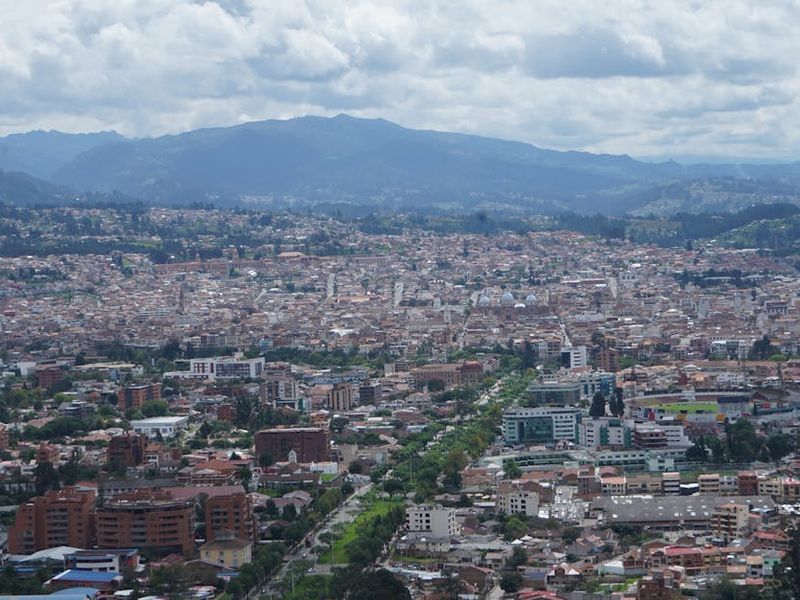
Located in Ecuador’s highlands at about 2,560 meters (8,400 feet) above sea level, Cuenca offers comfortable temperatures year-round, charming cobblestone streets and cultural attractions that make downtime pleasant without taxing your recovery. The national currency is the U.S. dollar, which simplifies budgeting for North American visitors.
How to Plan Your Trip: Timeline and Realistic Expectations
Start by thinking in blocks: consult, treatment, lab work, healing. Typical visits fall into two categories—short treatments that fit into a long weekend (cleanings, fillings, some crowns) and multi-step procedures (implants, root canals with crowns) that require longer stays or multiple trips.
A realistic short-stay plan (7–10 days) works well for crowns, veneers, or a combination of cleaning, local restorations and minor cosmetic work. If you need implants, bone grafts or sinus lifts, plan for multiple visits months apart, or look for clinics that offer immediate provisional restorations but still require a healing period of several weeks to months.
Researching and Choosing a Clinic
Do your homework before paying deposits. Look for clinics that provide clear digital treatment plans, before/after photos and patient references. Important questions to ask:
- Are digital x-rays and cone-beam CT scans available on-site?
- Do they use modern sterilization and CAD/CAM technology for crowns?
- Can they share verified patient testimonials or contact details for former international patients?
- What certifications and continuing education do the dentists have?
Facebook groups and expat forums like “Expats in Cuenca” (search online) are valuable for firsthand recommendations. Many clinics are experienced with international patients and can coordinate airport pickup, accommodation referrals and translators if needed.
Estimated Costs: What to Expect
Costs vary by procedure and material quality, but general ranges are helpful for budgeting. Many patients see savings of 40%–70% compared with U.S. prices.
- Routine cleaning and exam: modest, often under $60–$100
- Porcelain crown (per tooth): often between $200 and $600 depending on materials and lab
- Single dental implant: commonly ranges from $900 to $2,000 depending on brand, abutment and restoration
- Root canal therapy: often significantly less than U.S. costs
Ask for a full written estimate that includes follow-up visits and any lab fees. Clinics often accept credit cards, cash (USD), and bank transfers.
Where to Stay: Neighborhoods That Make Recovery Easy
Pick accommodation close to your dental clinic to minimize travel after procedures. Popular areas include:
- El Centro / Historic District (near Parque Calderón): excellent for first-time visitors, walking distance to many clinics, restaurants and pharmacies.
- San Sebastián: charming, slightly quieter with artisan shops and cafes; also close to many health services.
- Ordoñez Lasso / Ricaurte: convenient, residential areas with short taxi rides to the historic center.
Choose a ground-floor or elevator-accessible apartment if you expect swelling or limited mobility. Many rentals and hotels offer small kitchens, which is handy for post-op soft foods.
Travel Logistics: Airport, Transport and Language
Cuenca’s Mariscal La Mar Airport (CUE) is a quick drive from the city center, and many clinics or hotels can arrange pickups. Licensed taxis are affordable for short trips around town; ask your hotel for recommended drivers. Ride apps operate intermittently—confirm availability ahead of arrival.
Spanish is the dominant language. While many dentists and staff at international clinics speak English, learning a few key phrases and having offline translation apps will help with everyday tasks, pharmacy visits, and menu ordering.
Health, Altitude and Medication Considerations
Because Cuenca sits at high altitude, allow at least 24 hours to acclimate before undergoing major dental surgery. Hydrate, avoid heavy physical exertion and plan light activities on your first day to reduce the risk of altitude-related headaches or fatigue.
Bring a list of medications and allergies, and provide it to the clinic ahead of time. Many antibiotics and pain medications are available locally, but having a small travel kit with basic OTC pain relievers, antiseptic mouthwash, and any regular medications is wise.
Down Time: Gentle Activities to Aid Recovery
Recovery days are perfect for low-impact exploring. Cuenca’s compact historic center invites leisurely strolls along the Río Tomebamba, coffee shop visits on Calle Larga, and relaxed lunches facing Parque Calderón. Museums like the Museo Pumapungo and the Museum of Modern Art are calming indoor options if you want culture without crowds.
For quieter outings, seek out rooftop cafes or patios that allow you to sit comfortably and people-watch. If you’re chronicling your journey, light photography and journal writing are soothing activities that won’t interfere with healing.
Food and Diet: Easy and Enjoyable Options
After dental work, soft, nutritious foods will be your friend. Cuban-style soups, hearty vegetable purees and Ecuadorian favorites like locro de papa (potato soup) are widely available. Supermarkets like Supermaxi carry pre-made soups, yogurt, protein shakes and other convenient options.
Most clinics provide written post-op dietary instructions. Stick to warm—not hot—foods, avoid crunchy or sticky items, and maintain good oral hygiene with gentle rinses unless your dentist advises otherwise.
Follow-up Care and Handling Complications
Ask your clinic to outline a follow-up plan: emergency contact numbers, estimated signs of normal healing, and red flags that require immediate attention. Many dentists provide same-day or next-day phone consultations if you experience pain, swelling or bleeding outside expected limits.
If the work requires further appointments, coordinate them before you leave—ask about local providers for interim checks if your dentist recommends returning home early in the healing process. Keep all paperwork, x-rays and treatment notes with you for future reference.
Payment, Insurance and Warranties
Because international insurance rarely covers elective dental tourism, check with your insurer beforehand. Some U.S. plans may cover emergencies only. Ask your Cuenca clinic about warranties for crowns or prostheses; reputable providers often offer limited guarantees for lab work and materials.
Bring a mix of payment methods—credit card for major payments and some cash for taxis, tips and small purchases. The U.S. dollar is the official currency, which simplifies transactions.
Practical Packing List
- Passport, printed treatment plan, pre-payment receipts and clinic contact details
- List of medications, allergies, and recent dental x-rays if available
- Comfortable, layered clothing for Cuenca’s temperate climate
- Soft food essentials: protein shakes, instant soups, yogurt
- Oral care kit: soft toothbrush, antiseptic rinses (if allowed), lip balm
- Small pillow and sunglasses for comfort during recovery
Sample 10-Day Dental Vacation Itinerary
Day 1: Arrive, rest, short walk around Parque Calderón to get acclimated.
Day 2: Initial consultation, x-rays, treatment plan confirmation. Light afternoon coffee on Calle Larga.
Day 3: First treatment (cleaning, impressions or tooth preparation). Relaxing evening at your accommodation.
Day 4: Lab-fitted provisional or restoration placement. Gentle stroll along the Río Tomebamba.
Day 5–7: Recovery days—museum visit, rooftop café, easy meals and follow-up check.
Day 8–10: Final adjustments, post-op review, and a relaxed day-trip or last-minute shopping for souvenirs like artisan textiles and hats before departure.
Safety and Practical Tips
Cuenca is considered one of Ecuador’s safer cities, but standard travel caution applies: keep valuables out of sight, use hotel safes, and avoid poorly lit streets at night. Carry copies of important documents and share your itinerary with a friend or family member at home.
Finally, choose a clinic that communicates clearly and gives you confidence. A calm, transparent provider will set the tone for a successful dental vacation: one where healing and exploration go hand in hand.
Conclusion: Make Your Dental Vacation a Time to Heal and Enjoy
With thoughtful planning, a dental trip to Cuenca can be both cost-effective and restorative. Allow yourself time to acclimate to the altitude, choose a clinic with strong communication and verifiable results, and plan low-key activities that support healing. The city’s mild climate, beautiful historic center and friendly expat resources make it a practical and pleasant place to get dental work done—and to recover while soaking up culture and calm.