
Table of Contents
Overview: Quito to Cuenca — what to expect
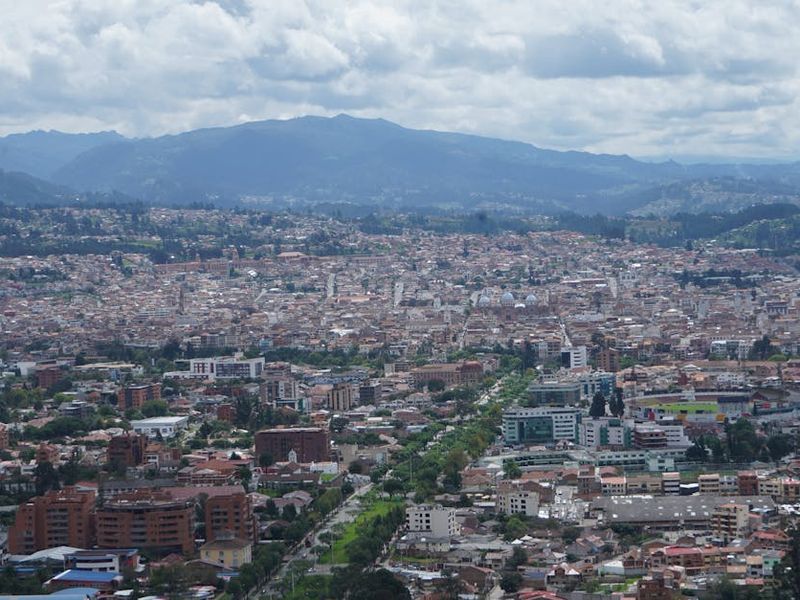
Quito and Cuenca are two of Ecuador’s most beloved cities, each offering rich colonial architecture, mountain views and vibrant culture. The two cities sit in the Andes, roughly 450–500 km apart by road, which means travel involves highland highways, winding mountain passes and spectacular scenery. Deciding how to travel depends on your priorities — time versus cost, comfort versus flexibility — and this guide walks you through taking the bus, flying, or driving, including practical tips and must-see stops along the way.
How long is the trip?
Travel time varies by method. A direct flight between Quito (Mariscal Sucre International Airport, UIO) and Cuenca (Mariscal Lamar Airport, CUE) is a short hop of about 50–70 minutes in the air, though add check-in and airport transfer time. By road, expect around 8–11 hours by car and 9–12 hours by bus depending on route, traffic and number of stops. Weather and mountain conditions sometimes slow travel, so always allow extra time for connections.
Option 1 — Bus: the budget-friendly, scenic choice
Taking the bus is the classic Ecuadorian way to move between cities. Buses leave Quito daily for Cuenca from the main southern bus terminal (Terminal Terrestre Quitumbe) and run at all hours. Most lines offer several service tiers — standard, ejecutivo (executive) and cama (seat options that recline more) — with ejecutivo coaches offering more legroom, fewer stops and onboard restrooms.
Pros and cons of the bus
- Pros: Cheap, frequent departures, chance to see Andean scenery and small towns, can travel overnight and save on a night’s accommodation.
- Cons: Long travel time, limited legroom on lower-tier services, motion sickness on winding mountain roads, restroom facilities are not always ideal.
Practical bus tips
- Buy tickets in advance for high season. You can often buy online through operators’ websites or through local booking platforms at the terminal.
- Choose ejecutivo for more comfort on long journeys; consider an overnight bus if you want to sleep through most of the trip.
- Store valuables in your carry-on and lock your luggage when possible. Buses make a luggage stop at the terminal on arrival but keep your essentials with you.
- Bring layers: the highlands can be cold, especially overnight, so a light blanket or sweater helps.
Option 2 — Plane: fast and convenient
Flying is the fastest way to travel between Quito and Cuenca. Flights depart from Quito’s Mariscal Sucre International Airport (UIO) and land at Cuenca’s Mariscal Lamar Airport (CUE), which sits quite close to Cuenca’s city center. The flight time is short — under 90 minutes — and it’s a good option if your time is limited.
Pros and cons of flying
- Pros: Fast travel time, less fatigue, frequent deals if booked in advance, great for business travelers or short visits.
- Cons: Airport transfers add time and cost, baggage restrictions, fewer flight options than buses, and flights can be affected by mountain weather.
Practical flying advice
- Book early for the best fares. Check flight schedules as domestic frequencies can change seasonally.
- Account for transit time to and from airports: Quito’s airport is outside the city (in Tababela), so plan for 30–60 minutes travel to the terminal depending on where you’re staying.
- Watch luggage allowances and arrive early during busy holiday periods. If you have bulky gear, verify cargo options ahead of time.
Option 3 — Car: freedom to explore at your pace
Renting a car gives you maximum flexibility. You can detour to attractions like Ingapirca (Ecuador’s largest Inca site), Alausí (gateway to the Devil’s Nose train) or the markets and highland villages along the route. The drive is scenic; much of it follows the Panamericana with mountainous stretches and valley views.
Driving route and highlights
The most common route runs south from Quito through towns like Latacunga, Ambato and Riobamba, then continues across highland passes to Alausí and into Cañar province before descending to Cuenca. You’ll pass agricultural landscapes and, on clear days, get views of snow-capped peaks. Stop at viewpoint pullouts for photos and break up the journey for safety.
Practical driving tips
- Rent from a reputable company and verify what insurance is included. Ask whether tolls and third-party insurance are covered.
- Use GPS and offline maps — mobile reception can be spotty in mountain sections. Local road signage is generally clear but be prepared for winding roads and steep grades.
- Drive conservatively; steep hairpins and narrow stretches require lower speeds. Fuel stations are common in towns but less frequent in rural sections, so top up when you can.
- Plan rest stops every 2–3 hours. Stamina and concentration drop on long mountain drives; rotating drivers helps if you’re traveling with a companion.
Comparing cost, time and comfort
Here’s a quick way to decide: if speed is the priority, fly. If budget and scenery are most important, take the bus. If you want to explore off-the-beaten-path sites and control your schedule, drive. Keep in mind that flight prices can vary widely and bus comfort levels vary by operator. Evaluate your tolerance for long rides and your interest in making stops along the way.
Must-see stops en route and quick day-trip ideas
If you have time to break the trip into two or more days, several worthwhile stops lie between Quito and Cuenca:
- Ambato — a good place to stretch legs, sample local food and markets.
- Riobamba — gateway to Chimborazo views and outdoor activities.
- Alausí — famous for the Devil’s Nose train experience, a spectacular engineering feat on narrow-gauge tracks.
- Ingapirca — the largest pre-Columbian ruin in Ecuador, located near Cañar, a short detour north of Cuenca.
Many travelers like to stop overnight in Riobamba or Alausí to split the drive and enjoy a local excursion.
Arriving in Cuenca: getting from the airport or terminal to your hotel
Cuenca’s airport is a short drive from the historic center. Taxis and shared shuttles meet flights; confirm fares before boarding, and use official airport taxis or arrange a pickup through your hotel. If you arrive by bus, you’ll come into Cuenca’s main bus terminal where taxis and local buses are plentiful. Many hotels in Cuenca offer pick-up services from both the airport and bus terminal — ask when you book.
Safety, health and practical matters
Traveling between Quito and Cuenca is routine for many visitors, but a few sensible precautions help the trip go smoothly. Keep copies of your passport and travel documents, avoid leaving valuables unattended, and drink bottled water if you’re unsure about local taps (Cuenca’s water is often potable, but individual tolerance varies). Altitude can affect some travelers — Quito sits about 2,850 meters above sea level and Cuenca around 2,560 meters — so if you’re coming from the coast, take it easy on your first day.
Booking and ticketing tips
For buses, you can usually pay at the terminal or use an operator’s online portal or a local booking platform. For flights, check major carriers and compare options on aggregator websites; watch for promotional fares. If you’re renting a car, reserve in advance during holidays. Always read cancellation and change policies carefully — mountain weather can disrupt both air and ground travel.
Special considerations: traveling with pets, mobility needs, or lots of luggage
If you’re traveling with pets, check airline rules carefully — some airlines restrict pets on short domestic flights or require advance notice. Buses may accept small pets but policies vary. For travelers with mobility limitations, flying is the easiest option; bus and car travel can be challenging due to narrow aisles and hilly terrain. When booking a bus, ask about accessibility features and luggage assistance.
Sample itineraries
Short trip (2–3 days): Fly to Cuenca for a weekend. Book an early flight, arrive mid-morning and explore historic downtown, the cathedral and local markets. Return in the evening or the next day.
Scenic overland (4–6 days): Rent a car, drive south, stop at Riobamba and Alausí, take the Devils’ Nose train, visit Ingapirca, and arrive in Cuenca with time to explore museums and artisan markets.
Budget option (overnight bus): Take an overnight ejecutivo bus from Quito, sleep through most of the journey, arrive in Cuenca in the morning and start sightseeing without losing a day for airfare or rental car costs.
Final tips to choose the best option
- Match travel method to your priorities: time, cost, comfort or exploration.
- Book early for holidays, and always confirm departure points — Quito has multiple terminals and the airport is outside the central city.
- Pack for temperature swings and bring motion-sickness remedies if you’re prone to nausea on winding roads.
- Verify luggage rules for flights and bus classes so you’re not surprised at boarding.
Conclusion
Getting from Quito to Cuenca is straightforward but rich with options. Whether you choose the affordable bus route with mountain scenery, the speed of a short flight, or the freedom of driving and stopping at hidden gems, each method offers a different way to experience Ecuador’s highlands. Plan according to your timeline, book in advance when possible, and leave a little time to enjoy the landscapes and towns you’ll pass — the journey is part of the adventure.