
Table of Contents
Why Spend a Week in Cuenca?
Cuenca, Ecuador’s UNESCO-listed jewel in the southern highlands, rewards a relaxed pace. At 2,560 meters (about 8,400 feet) it has crisp mornings, dramatic skies and a compact, walkable historic center filled with churches, riverside promenades and cafés. A seven-day stay gives you time to soak in the city’s colonial atmosphere, explore nearby archaeological sites and artisan markets, and take at least one day into the spectacular highland landscapes of Cajas National Park.
Quick Practical Info Before You Go
Currency: U.S. dollars. Language: Spanish is dominant; basic English is common in tourism businesses but not universal. Airport: Mariscal Lamar Airport is a short drive from downtown. Elevation: be mindful of altitude — take it easy the first day, hydrate, and pack layers. Safety: Cuenca is one of Ecuador’s safer cities but remain aware of pickpockets in crowded markets. Taxis are inexpensive; ask drivers to use the meter or agree on a fare before you leave.
How to Use This Itinerary
This plan balances culture, markets, day trips, and down time. Swap days depending on weather — for example, do Cajas when skies are clear to get the best views. Each day includes recommended sights, meal ideas and tips for making the most of your time without feeling rushed.
Day 1 — Settle In: Plaza Calderón and the Cathedral
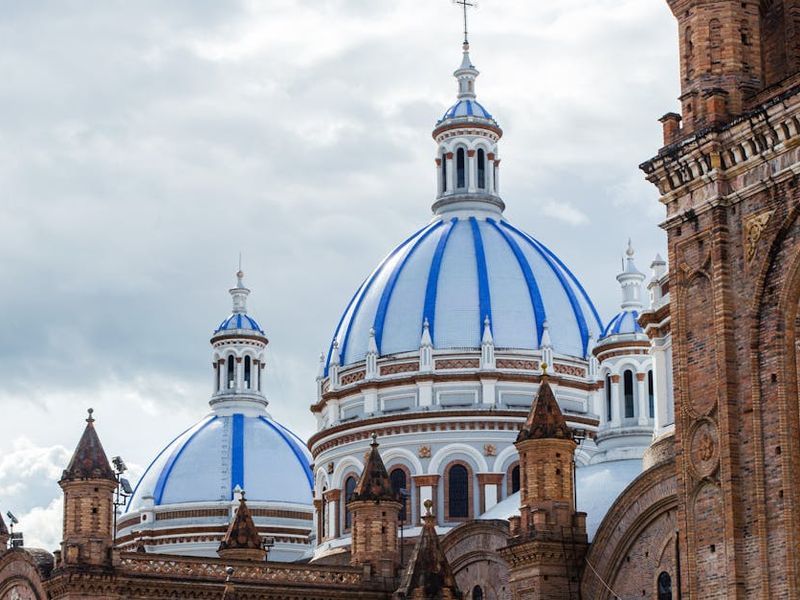
Ease into Cuenca with a gentle walk around the prettiest part of the city: Plaza Calderón. The square is the pulsating heart of the historic center and is flanked by colonial buildings, outdoor cafés and vendors. Dominating the scene are the twin blue domes of the New Cathedral (Catedral de la Inmaculada Concepción) — a great place to climb one of the towers for panoramic photos.
Spend the afternoon browsing the small shops on Calle Larga and have a first Ecuadorian meal: try a plate of hornado (slow-roasted pork), mote (hominy), or a comforting locro de papa (potato and cheese soup) at a traditional fonda. Finish with helado de paila — a hand-churned sorbet made on a cold metal bowl, often sold near the cathedral.
Day 2 — Museums, Pumapungo and Riverside Strolls
Start at Museo Pumapungo, run by the Banco Central. It blends a museum of ethnography with archaeological finds and ruins of pre-Columbian structures — an excellent primer on the Cañari and Inca history of the area. The small botanical garden behind the museum highlights native plants and a butterfly house that kids (and adults) enjoy.
After lunch, walk along the Tomebamba River. The riverside parks and bridges are lined with cafés and provide a quieter, local side of Cuenca. Cross to Barranco — the old artisan quarter — where you can peek into workshops and watch traditional craftspeople at work.
Day 3 — Day Trip to Cajas National Park
Cajas National Park is a must for hikers and photographers. Only about 20–45 minutes from the city by car, it contains hundreds of glacial lakes (lagunas), páramo grasslands and dramatic views. Popular short hikes include Laguna Toreadora and the loop to Laguna Llaviucu. If you want a more ambitious trek, there are multi-hour circuits and opportunities to see hummingbirds and the distinctive frailejones plants.
Practical tip: temperatures in Cajas can swing quickly. Wear layers, bring waterproof gear, and start early to avoid afternoon clouds. If you’re not comfortable driving in mountain conditions, book a guided tour or a private driver for the day.
Day 4 — Artisan Villages: Chordeleg and Gualaceo
Take a leisurely day visiting the artisan towns of Chordeleg and Gualaceo, southeast of Cuenca. Chordeleg is famous for silver filigree jewelry; wandering its workshops is perfect if you want to buy a unique piece or watch artisans solder and weave delicate designs. Gualaceo offers traditional weaving and textiles, and both towns have small markets where you can sample local snacks and find handwoven blankets and clothing.
If you prefer, split the day with a coffee stop in one of the small mountain cafés and a relaxed lunch of regional specialties. These towns are easy to visit on a half-day trip, but a full day lets you browse thoroughly and enjoy slow-paced village life.
Day 5 — Ingapirca: Ecuador’s Largest Inca Ruins
An early start will take you to Ingapirca, the country’s most important Inca archaeological site about 1.5–2 hours from Cuenca. The sun temple (Templo del Sol) and the stonework here show how Inca builders adapted to local Cañari foundations. A guided tour will help you understand the site’s layered history and the astronomical alignments of the temple stones.
Combine this trip with a stop in the nearby town of Cañar for a market meal or homemade empanadas. If you prefer a guided excursion, many local tour operators offer comfortable day trips that include transport and a guide.
Day 6 — Markets, Museums and Slow Coffee
Dedicate a day to delving deeper into Cuenca’s culture. Begin at Mercado 10 de Agosto (a bustling local market near the cathedral) where you can see fresh produce, cheeses, and street food. This is where locals shop, so it’s ideal for trying inexpensive, authentic bites like humitas or tamales.
In the afternoon visit a specialty museum — options include small municipal museums of religious art and contemporary galleries. Also look for workshops demonstrating Panama hat weaving; Cuenca has several small ateliers where you can learn the differences between grades of the hat and watch artisans work.
For the evening, treat yourself to a relaxed dinner at a rooftop restaurant overlooking the cathedral or along the river. Cuenca’s dining scene ranges from casual family-run eateries to creative, seasonal menus in boutique hotels.
Day 7 — A Day to Slow Down: Turi Viewpoint and Riverside Leisure
Use your final day to savor Cuenca at a slower pace. Drive or take a taxi up to the Mirador de Turi — a hilltop church and lookout that gives one of the best panoramas of the city. It’s a popular spot for sunset photos and an easy half-hour stop.
Back in the center, enjoy a long café crawl along the Tomebamba, try local pastries and buy final souvenirs. Spend your final evening with a leisurely stroll through the Plaza Calderón area as the city lights up, or find a quiet bar with live music and reflect on the week.
Where to Eat and What to Try
Food in Cuenca is comfort-forward and regional. Must-try dishes include:
- Locro de papa: creamy potato and cheese soup — perfect for cooler evenings.
- Hornado: slow-roasted pork served with mote and salad.
- Cuy (guinea pig): a traditional Andean delicacy served in specialized restaurants.
- Helado de paila: hand-churned fruit sorbet, refreshing and local.
- Fresh coffee: Ecuador grows excellent coffee — try it in small roasters across the city.
Markets are where you can eat like a local for very little money; look for busy stalls to ensure freshness.
Practical Tips, Money and Transport
Getting around: Cuenca’s old center is compact and best explored on foot. Taxis are affordable and available; some use meters, others prefer agreed fares. Ride-hailing apps operate intermittently, so have a taxi number saved. For day trips consider renting a car if you’re comfortable with mountain driving, or book local tours that include hotel pickup.
Money: carry small bills for markets and tips. Credit cards are accepted widely in restaurants and hotels, but small vendors may prefer cash. Tipping is appreciated — 10% in restaurants if service is not included.
Health and altitude: give yourself the first 24–48 hours to acclimate. Drink plenty of water, avoid heavy exertion on day one and wear sunscreen; UV is strong at altitude. Tap water in Cuenca is generally treated, but if you have a sensitive stomach, bottled water is an easy option.
Safety, Etiquette and Useful Language
Cuenca is welcoming and conservative in many ways. A few local customs help visitors fit in: greet with a friendly handshake (or one light kiss on the cheek in social situations), use “usted” as the polite form unless invited to use “tú,” and be punctual for formal appointments. Use common-sense safety precautions: keep valuables secure, avoid isolated streets at night, and ask hotel staff about areas to avoid if unsure.
Handy Spanish phrases: “¿Cuánto cuesta?” (How much?), “¿Dónde está…?” (Where is…?), “La cuenta, por favor” (The bill, please). Most service staff speak enough English to help with basic questions.
Packing Checklist and Final Advice
Essentials to pack for a week in Cuenca:
- Layered clothing: mornings are cool, afternoons can warm up quickly.
- Comfortable walking shoes for cobblestones and parks.
- Rain jacket or compact umbrella — mountain weather changes fast.
- Sunscreen and sunglasses for high-altitude sun protection.
- Small daypack for hikes and market trips.
Final thought: Cuenca is a place that rewards curiosity. Let yourself wander away from guidebook highlights to discover quiet plazas, family-run bakeries, and neighborhood markets. With seven days you’ll have the time to balance landmark sightseeing with slow afternoons and the occasional spontaneous detour — and leave with memories of layered colonial streets, highland lakes, and artisans at work.