
Table of Contents
Why Cuenca’s Markets Are Worth Your Time
Cuenca’s markets are more than places to buy food and souvenirs — they’re living snapshots of the city. Stalls stacked with tropical fruits, wooden crates of Andean potatoes, rows of handwoven textiles and trays of fresh cheese give a window into local life and flavors. For expats and visitors alike, wandering these markets is one of the fastest ways to learn how locals eat, celebrate, and craft.
What You’ll Find in Cuenca Markets
Expect a mix of highland and subtropical produce. You’ll see tubers of every color, bright citrus, tropical tree fruits, trays of small Andean cheeses, buckets of panela, and brisk stalls selling roasted corn and empanadas. On the artisan side, Cuenca’s markets showcase woven alpaca shawls, Panama-style hats, tagua (vegetable ivory) jewelry, pottery, silver filigree from nearby Chordeleg, and hand-stitched leather goods.
Best Market Hubs in the Historic Center
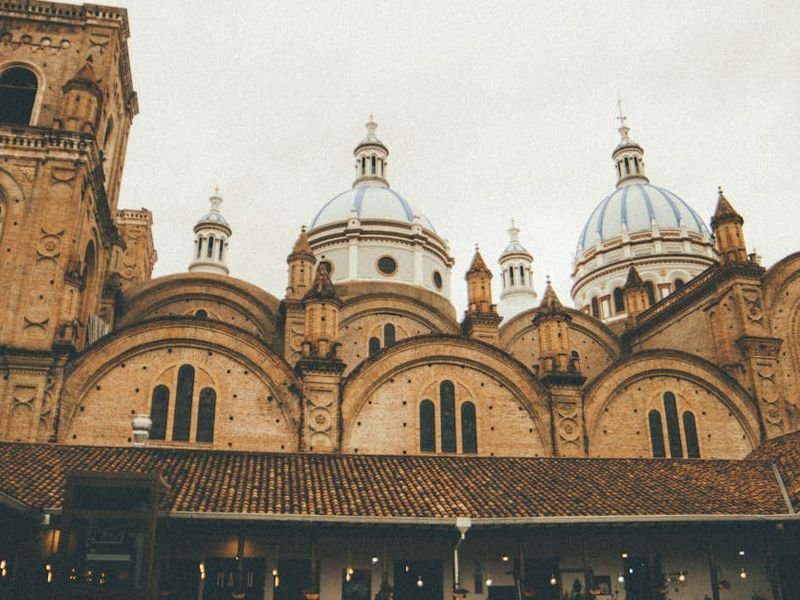
The historic center is the most convenient place to start your market tour. Streets surrounding Parque Calderón and the Tomebamba River fill with daily sellers — from produce vendors in covered markets to artisans with stalls outside the cathedral. These areas are lively almost every day and especially full on weekends when regional farmers and craftspeople travel into the city to sell.
Central Municipal Market (Mercado Central)
The Central Market is where many Cuencanos do their daily shopping. It’s a labyrinth of aisles with fishmongers, butcher counters, fruit stalls, and small eateries called puestos where you can order a hearty breakfast of bolón, fresh fruit juices, or a bowl of locro (potato-and-cheese soup). Come early — 7:00–10:00 a.m. is peak freshness — and bring cash: many stalls accept only cash.
Mercado 10 de Agosto
Another must-visit is Mercado 10 de Agosto, known for a broad selection of produce and an especially bustling atmosphere. If you want to buy ingredients for cooking at home, this is the place: vendors will weigh and bag just what you need, and you can get great prices if you buy in volume. This market is also a good place to find dried goods, beans, and local panela for sweetening coffee or making desserts.
Weekend Farmers’ Markets and Organic Fairs
For organic and specialty items, watch for weekend farmers’ markets (ferias agroecológicas) held in various neighborhoods. These pop up on Saturdays and sometimes Sundays, featuring small-scale producers who bring pesticide-free vegetables, microgreens, homemade preserves, and artisanal cheeses. Producers often label their stands with words like “orgánico” or “agroecológico,” and many will happily explain their farming methods.
How to Spot Trustworthy Organic Stalls
- Look for stands that provide information about the farm or cooperative.
- Smaller quantities and mixed boxes of produce often indicate local growers rather than distributors.
- Ask about post-harvest handling — producers who refrigerate dairy and keep leafy greens in shade tend to be more careful about quality.
Where to Find the Best Handicrafts
If you’re shopping for locally made crafts, branch beyond the city center to find specialty items from nearby towns. Cuenca’s artisan stalls often carry goods from the famous nearby crafting towns of Gualaceo (textiles and ceramics) and Chordeleg (filigree silver jewelry). In the city, look for weekend artisan fairs around plazas and cultural sites where makers set up booths with a curated selection of handmade goods.
Pumapungo Museum Craft Fair
The Museo Pumapungo is more than a history museum: on many weekends it hosts artisans selling high-quality textiles, ceramics, and jewelry. The museum setting draws craftspeople who focus on traditional designs and techniques, so prices can be higher than street stalls, but the workmanship and provenance are often superior — great if you’re buying a special piece to take home.
Street Artisans by Parque Calderón
Near Parque Calderón you’ll find a rotating cast of street artisans selling everything from Panama-style hats to woven scarves. These vendors are convenient if you’re touring the cathedral and the main plazas. Haggling is expected on many items but do so with respect; a reasonable counteroffer usually lands you a fair price.
Day Trips for Exceptional Craft Shopping
Some of the best craft shopping near Cuenca requires a short trip. Gualaceo is famous for woven textiles, rugs, and ceramics — ideal for shoppers looking for larger items. Chordeleg, a short drive away, is Ecuador’s silver and filigree capital: it’s the place to find intricate earrings, lockets, and custom pieces made by jewelers who will often repair or resize on the spot. These towns are also nice cultural excursions where you can watch artisans at work.
Smart Shopping Tips for Markets
Markets can be overwhelming if you’re not prepared. Here are practical tips to help you shop confidently and save money:
- Bring small bills and coins — most stalls don’t accept cards, and vendors may not have change for large bills.
- Go early for the freshest produce and best selection; late afternoon is good for bargains if you don’t mind less variety.
- Bring reusable bags and a cooler bag if you’ll be traveling with perishable items.
- Learn a few Spanish phrases: “¿Cuánto cuesta?” (How much?), “¿Me puede dar un kilo?” (Can you give me a kilo?), and “¿Es orgánico?” (Is it organic?) will go a long way.
- Taste samples when offered — vendors often let you try fruit or cheese before buying.
What to Buy: A Local Shopping Checklist
If you want to shop like a local, here are items that make excellent purchases and souvenirs:
- Fresh tropical fruits to try: naranjilla, babaco, and mora (blackberry) — many are sold as juices or whole fruit.
- Andean potatoes and tubers, perfect for experimenting with Ecuadorian recipes at home.
- Artisanal cheeses: look for queso fresco and the string cheese called “queso de hoja” in some stalls.
- Panela (unrefined cane sugar) — a staple sweetener and ideal for making dessert syrups.
- Handwoven textiles from nearby towns — scarves, table runners, and ponchos are widely available.
- Tagua jewelry and wooden carvings — lightweight and easy to pack as gifts.
- Silver jewelry from Chordeleg — a splurge-worthy, high-quality keepsake.
Food and Drink to Try While You Shop
Markets are also great places to sample street food. Order a bowl of locro or try humitas (steamed corn tamales), a fresh empanada, or a cup of sugarcane juice. Juice stands blending fresh naranjilla, passionfruit, or mora are ubiquitous and affordable — a perfect way to refresh while you roam the aisles.
Safety, Etiquette, and Responsible Shopping
Cuenca is generally safe, but as in any busy market, keep your belongings close and be mindful of pickpockets in crowded areas. When bargaining, do so with a smile and reasonable offers — vendors depend on income from frequent sales. For souvenirs, prioritize items made locally and ask about the materials and origin if provenance matters to you. Avoid wildlife-derived items and ask questions about fibers and dyes if you’re concerned about sustainability.
Bringing Finds Home: Packing and Shipping
If you buy ceramics or larger textiles, many shops offer wrapping or small packaging services. For fragile items, consider buying local packing materials and packing supplies. Shipping is also an option — larger craft cooperatives and some stores will arrange shipping for you, often through the post office or private couriers. Always ask for a written estimate and keep receipts in case of customs queries.
How to Make Market Visits Part of Your Routine
If you move to Cuenca or stay long-term, make a market day part of your weekly routine. Buying produce in season not only saves money but also improves your cooking — local markets offer varieties you might not find in supermarkets. Building relationships with a handful of vendors can lead to better deals, insider tips about new arrivals, and a deeper feel for neighborhood life.
Final Thoughts: Markets as Cultural Classrooms
Markets in Cuenca are living classrooms where each stall, scent, and interaction tells a story about local foodways and craftsmanship. Whether you’re buying the ripest mango, a hand-stitched purse, or a silver filigree pendant, the best souvenirs are often the conversations you have with the people who made them. Come with curiosity, a few pesos in your pocket, and an appetite for discovery — you’ll find that the markets of Cuenca are some of the city’s most generous teachers.
Ready to plan your market route? Start with the central markets for daily staples, add a weekend farmers’ fair for organic picks, and set aside a morning to browse artisan stalls near Parque Calderón or Museo Pumapungo. Don’t forget a reusable bag and your camera — the colors and textures alone are worth the trip.