
Table of Contents
Why Cuenca Should Be on Your Ecuador Itinerary
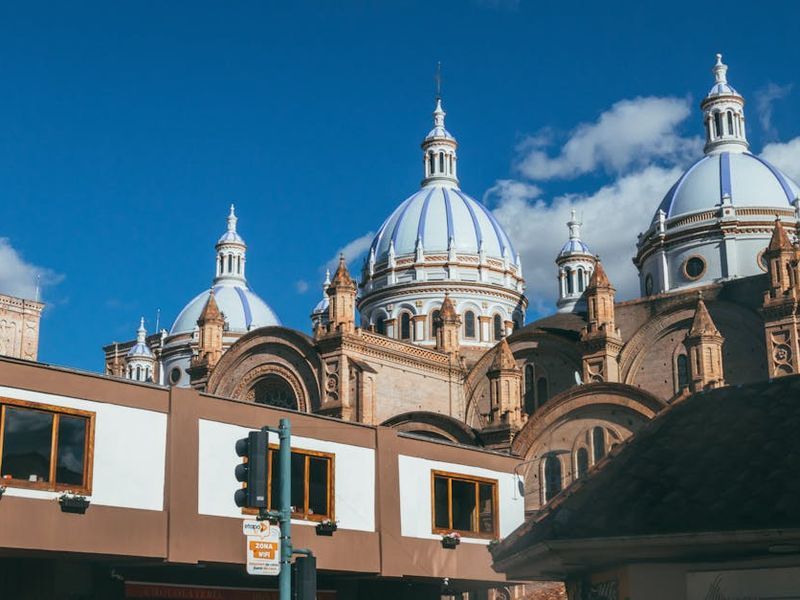
Cuenca’s cobblestone streets, red-tiled domes and relaxed pace make it a favorite for first-time visitors to Ecuador. The city blends colonial architecture, thriving arts scenes and convenient access to highland nature reserves. Whether you’re a cultural traveler, foodie, or outdoor enthusiast, a little preparation goes a long way to make your first trip comfortable and rewarding.
Before You Go: Practical Planning
Cuenca sits at about 2,560 meters (roughly 8,400 feet) above sea level, so altitude and cool weather are the first things to factor into planning. Book flights into Mariscal La Mar Airport (CUE) if available, or connect through Quito or Guayaquil—both cities have several daily buses to Cuenca.
Check visa requirements well in advance. Ecuador uses the US dollar, and many travelers (including citizens of the EU, Canada, U.S., and others) receive a 90-day tourist stay on arrival, but always verify current rules for your nationality.
Packing Essentials
- Layered clothing: temperatures can swing from sunny afternoons to chilly nights—think lightweight shirts, a sweater and a waterproof jacket.
- Sun protection: high-altitude sun is strong—bring sunscreen, sunglasses and a hat.
- Comfortable walking shoes: many historic streets are cobbled and steep.
- Altitude aids: a reusable water bottle, electrolyte tablets, and medications if you’re prone to altitude sickness.
- Copies of documents and a small amount of cash in small bills—USD is the local currency.
Arrival and Getting Around
Cuenca’s airport is small and convenient; taxis and shuttle services connect the terminal to the historic center in 20–30 minutes. If you arrive by bus, the main terminal has connections to Quito, Guayaquil and smaller towns across the southern highlands.
Once in town, the compact Centro Histórico is wonderfully walkable. The Tomebamba River and Parque Calderón are central hubs—most museums, cathedrals and restaurants are a short stroll from these landmarks. For longer trips, city buses and collective taxis are inexpensive; taxis are plentiful but it’s wise to agree a price before you ride in neighborhoods where drivers don’t always use meters.
Ride-Hailing and Car Use
Ride-hailing apps operate intermittently in Ecuador; they can be handy but are not always as reliable as in bigger capitals. If you rent a car, expect narrow streets and limited parking in the historic center. Renting is best for day trips outside the city where public transport is slower.
Where to Stay: Neighborhoods for First-Timers
Pick a hotel or guesthouse near Parque Calderón or the Tomebamba River for easy access to Cuenca’s main attractions and restaurants. These neighborhoods offer the best walking access and a lively evening scene without being noisy. If you prefer quieter streets, seek lodging one or two blocks away from the main square where you can still walk everywhere but sleep more soundly.
Short-term rentals are widely available and can be a great choice if you want kitchen facilities. Many older colonial houses have been converted into charming lodgings—look for properties that advertise secure entrances and decent Wi‑Fi if you plan to work remotely.
Money, Costs, and Tipping
Ecuador uses the US dollar, which simplifies budgeting. ATMs are widespread in Cuenca, but carry smaller bills for market stalls and taxis. Credit cards are accepted at many restaurants and hotels, but small businesses often prefer cash.
Tipping is appreciated but not mandatory—around 10% at sit-down restaurants is common if service was good. For guides and drivers, small cash tips directly express gratitude for personalized service.
Food and Drink: What to Try
Cuenca is a culinary treat with regional specialties you’ll want to sample. Start with llapingachos (potato cakes) and hornado (slow-roasted pork). Locro de papa, a creamy potato and cheese soup, is a comforting choice on cool evenings. If you’re adventurous, try cuy (roasted guinea pig)—a traditional Andean dish often served during celebrations.
Don’t miss helado de paila, a traditional icy sorbet made in a large copper pan and sold at stalls near the river and markets. Coffee shops and bakeries line the city; many offer strong local beans and reliable Wi‑Fi for slow mornings.
Must-See Sights and a Suggested Three-Day Itinerary
Cuenca’s highlights are concentrated and easy to split into manageable days. Here’s a practical layout for first-timers:
- Day 1 – Centro Histórico: Start at Parque Calderón, visit the New Cathedral and the old cathedral ruins (El Sagrario), and wander along the Tomebamba River. Spend the evening enjoying local cuisine at a small restaurant.
- Day 2 – Museums & Markets: Visit the Museo Pumapungo (archaeology and ethnography with archaeological ruins on-site), explore the Mercado Central for fresh produce and snacks, and browse artisan shops for Panama-style hats and silverwork.
- Day 3 – Viewpoints & Neighborhoods: Take a trip up to Turi viewpoint for panorama views over the city. Walk through the neighborhoods of El Centro and San Sebastián to see street art and small galleries.
Beyond the city, allow time for day trips to El Cajas National Park (highland lakes and hiking) and the Ingapirca ruins—both are accessible by organized tours or private transport.
Day Trips and Outdoor Adventures
El Cajas is a must for nature lovers. Only about a 30–75 minute drive from Cuenca depending on your starting point, the park offers short hikes among tundra-like scenery and mirror-like lagoons. Trails range from easy strolls to challenging treks—dress warmly and bring waterproof layers.
For cultural day trips, the colonial towns of Gualaceo and Chordeleg are renowned for handicrafts—leatherwork, silver jewelry and woven items. These towns make excellent stops for authentic souvenirs and a glimpse at provincial life.
Health, Altitude and Safety Tips
Altitude sensitivity varies: some visitors feel fine, others need a day to acclimatize. The safest approach is to take it easy for your first 24–48 hours—drink plenty of water, avoid heavy exercise, and consider coca tea or over-the-counter remedies if you experience mild symptoms. If you have severe or persistent breathlessness, consult local medical services.
Cuenca is among the safer large cities in Ecuador, but petty theft like pickpocketing can occur in markets and on crowded buses. Keep valuables out of sight, carry a photocopy of your passport (leave the original in your hotel safe), and use a money belt or hidden pouch for passports and extra cash. The emergency number in Ecuador is 911.
Local Customs, Language and Culture
Spanish is the dominant language—learning a few phrases goes a long way. Simple greetings and polite phrases will open doors: “Hola,” “Buenos días,” “Por favor,” and “Gracias.” People are generally warm and polite; a light cheek kiss or handshake is common when meeting acquaintances.
When photographing people, especially sellers at markets, ask permission first. Many artisans are happy to be photographed if you smile and ask; tipping a small amount for photos is a kind gesture if you plan to take close-up shots for commercial use.
Festivals and Events
Cuenca hosts cultural events year-round—music, art exhibitions and craft fairs regularly enliven the calendar. If your travel dates are flexible, look for local festival listings or ask your hotel for recommendations to catch a concert, gallery opening or artisan market.
Connectivity and Work-Friendly Spots
Wi‑Fi is commonly available in hotels, cafés and many restaurants. If you need a reliable connection, look for cafés near the historic center where digital nomads tend to gather. For longer stays, you’ll find coworking spaces and short-term office rentals that advertise stable internet and quieter environments for focused work.
Local SIM cards from major Ecuadorian carriers are easy to obtain with a passport; they give you good nationwide coverage and data for maps and ride apps.
Final Practical Checklist
- Bring layered clothing and a rain jacket.
- Pack sunscreen and sunglasses for high-altitude sun.
- Carry small denominations of US dollars and an ATM card.
- Plan for a gentle first day to acclimatize to altitude.
- Book El Cajas or Ingapirca trips through reputable local operators or your hotel.
- Use common-sense safety—keep valuables secure and be aware of surroundings in crowded places.
Parting Advice for a Smooth First Visit
Cuenca rewards slow travel. Take time to sit in a plaza with a coffee, watch daily life along the river, and sample a range of local dishes. With a little preparation for altitude, basic Spanish phrases in your pocket, and an openness to wander, your first trip to Cuenca can be comfortable, inspiring and unforgettable.
Enjoy the mix of history, culture and mountain scenery—Cuenca has a warm, walkable heart that invites repeat visits, and once you’ve been, it’s easy to see why many travelers return.