
Table of Contents
Why the Southern Highlands Deserve a Spot on Your Ecuador Itinerary
The Southern Highlands of Ecuador blend colonial charm, cloud-forest biodiversity and pockets of slow-living mountain towns. From Cuenca’s UNESCO-listed streets to Loja’s musical pulse and Vilcabamba’s mellow, long-life reputation, this region offers history, nature and authentic local life without the crowds of the coast or Amazon.
This guide gives you practical tips—how to get around, what to eat, where to sleep, and day-trip ideas—so you can plan a trip that fits your pace: culture-rich city days in Cuenca, nature and coffee breaks in Loja, and restorative hikes or yoga in Vilcabamba.
Quick orientation: elevations, climates and travel rhythm
Understanding altitude and microclimates helps set expectations. Cuenca sits high in the Andes at about 2,500–2,600 meters, giving cool mornings and crisp evenings. Loja is a little lower, generally temperate and drier in some microclimates. Vilcabamba, further down in elevation (around 1,500–1,700 meters), enjoys a milder, almost subtropical climate—warmer days and pleasant nights.
Weather changes quickly in the highlands—sun, wind and showers can alternate in a single afternoon—so layers are essential. Also, give yourself a slow first day in Cuenca to adjust to the altitude before strenuous hikes.
Getting there and getting around
Flights and long-distance transfers
Cuenca has a regional airport (IATA: CUE) offering frequent domestic flights to Quito and Guayaquil—handy if you want to avoid long bus rides. Buses are the backbone of transport in the south: modern intercity buses with reclining seats connect Cuenca, Loja and small towns like Vilcabamba, while private shuttles and colectivo vans serve niche routes.
Booking bus tickets is straightforward at local terminals, by trusted agencies or via hotel concierge services. If you prefer flexibility, renting a car gives you freedom to explore rural valleys and side roads—but mountain driving requires confidence and caution: roads can be narrow and weather can reduce visibility.
Local transit: taxis, walking and bikes
In cities like Cuenca, the historic center is very walkable. Taxis are abundant but always agree the fare up front or ask for the meter; many drivers will negotiate fixed prices for short trips. Rideshare apps operate sporadically—use them when available, but don’t rely on them in smaller towns. Many hotels can call reputable radio taxis for you.
Cuenca: history, markets and day-trip options
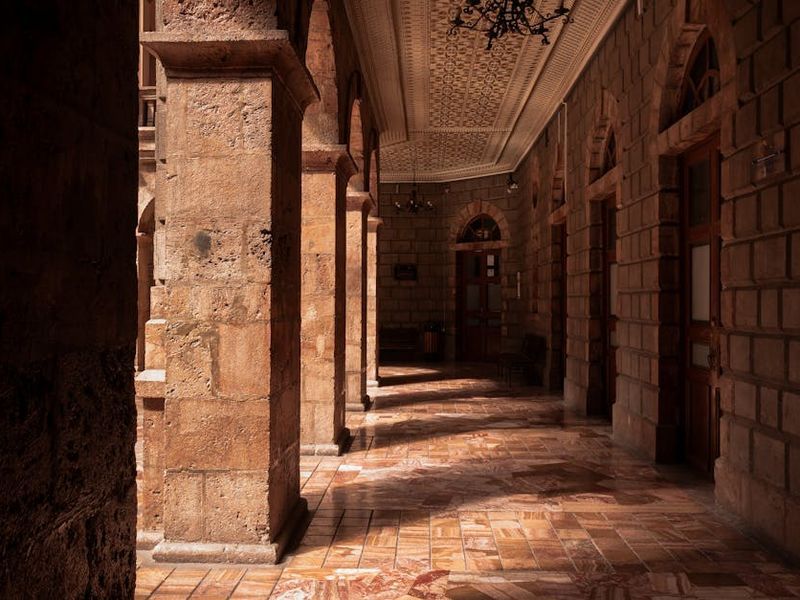
Cuenca is the southern highlands’ cultural hub: a compact, well-preserved colonial center with cobblestone streets, red-tiled roofs and dramatic cathedral domes. Spend time wandering Parque Calderón, cross bridges over the Tomebamba River and climb viewpoints for postcard panoramas.
Practical tips for Cuenca:
- Stay in or near the historic center (El Centro) for easy access to museums, cafés and evening strolls.
- Visit the cathedral with its iconic blue domes and climb one of the nearby viewpoints for a panoramic city view at sunset.
- Explore local markets for fresh fruit, baked goods and artisan products: you’ll find everything from woven textiles to silver and handmade jewelry.
- Try traditional highland dishes: hornado (slow-roast pork), llapingachos (potato cakes) and hearty soups—perfect after a cool Cuenca evening.
Day trips from Cuenca:
- El Cajas National Park – A must for hikers and birdwatchers; high-altitude lakes and peat bogs offer scenic day hikes. Bring warm layers and waterproof boots.
- Nearby indigenous and artisan villages – Learn about weaving, ceramics and hat-making traditions in small communities outside the city.
- Local river valleys – Short drives bring you to lookouts, small waterfalls and coffee plantations where you can do a tasting tour.
Vilcabamba: rest, wellness and outdoor rhythm
Vilcabamba has a reputation as the “Valley of Longevity,” attracting visitors who come for the mild climate, relaxed vibe and wellness-focused community. The town has a large expat scene, but remains genuine and small-scale: cafés, yoga studios and family-run hostels are common.
What to do in Vilcabamba:
- Take gentle hikes to nearby waterfalls and ridges. Trails are well-marked but take water and comfortable shoes.
- Visit local markets and try freshly made juices and tropical fruit. The valley’s agriculture is diverse—look for exotic fruits in season.
- Consider a day of restorative practices: yoga, massage or a visit to a holistic practitioner—Vilcabamba attracts alternative-health professionals looking to share local plant-knowledge and nutrition advice.
Practical notes:
- Accommodations range from rustic cabins to boutique guesthouses; many have gardens and hammocks—perfect for slow days.
- If you want to unplug, Vilcabamba is a great place. Cellular service is available but Wi-Fi can be spotty in remote lodges.
- While many residents speak Spanish, you’ll find English speakers in the tourist areas and expat-run businesses.
Loja: music, culture and cloud-forest access
Loja is often described as Ecuador’s musical city—concerts, conservatories and a lively cultural calendar shape local life. It’s an ideal base for exploring the surrounding cloud forests and biodiversity hotspots.
Highlights and tips in Loja:
- Check local event listings—Loja’s small theaters and plazas often have free or low-cost concerts and performances.
- Use Loja as a jumping-off point for Podocarpus National Park, which is known for orchids, birdlife and steep, scenic trails.
- Try local specialties at neighborhood restaurants and sample artisanal cheeses and baked goods from area producers.
Loja also has good medical facilities and pharmacies—handy to know if you have specific health needs before heading into more remote terrain.
Sample itineraries: 7-, 10- and 14-day options
7-day (easy pace)
- Day 1–3: Arrive in Cuenca—explore the cathedral, markets, and take a Cajas National Park day trip.
- Day 4–5: Travel to Vilcabamba—hike local trails, relax in town and sample wellness offerings.
- Day 6–7: Head to Loja—attend a music event, explore the city, and do a short cloud-forest excursion before returning to Cuenca or catching a flight.
10-day (balanced nature and culture)
- Days 1–4: Cuenca—museum visits, artisan village tour, full day in El Cajas.
- Days 5–7: Vilcabamba—slow days, wellness, hiking to nearby cascadas.
- Days 8–10: Loja and surrounding parks—birding, waterfalls and cultural nights.
14-day (leisurely discovery)
- Spend extra days exploring secondary towns, scheduling multi-day hikes, or taking a scenic drive through valleys. Add coffee farm tours and extended birding or photography days.
Food and drink: what to taste and where to find it
The highlands offer comfort food and fresh produce. Typical dishes include hearty soups (like locro de papa), roasted meats (hornado), and potato-based preparations such as llapingachos. Street food vendors and family-run cafés are excellent for authentic, budget-friendly meals.
Coffee culture is strong in the south; seek out small roasters and plantation tours around Loja and the valleys outside Cuenca. For sweet treats, try regional pastries and fresh tropical fruits—markets often sell seasonal varieties you won’t see elsewhere.
Money, connectivity and local practicalities
Currency and payments
Ecuador uses the U.S. dollar. ATMs are available in Cuenca and Loja; smaller towns may not have reliable cash machines, so plan accordingly. Credit cards are widely accepted in tourist areas but carry small bills and coins for markets, taxis and remote entrances.
SIM cards and internet
Major carriers like Claro and Movistar cover larger towns and some rural roads—pick up a SIM at an official store for a local data plan. Many hotels, cafés and hostels offer Wi-Fi, but speeds vary outside urban centers. If you need consistent connectivity for work, consider a local SIM with data or an international eSIM as backup.
Safety, health and local etiquette
General safety in the Southern Highlands is good, especially in Cuenca, Loja and tourist-oriented Vilcabamba. Petty theft can happen—use usual travel vigilance: avoid flaunting valuables, use hotel safes, and secure bags in crowded markets. Nighttime walking in well-lit central areas is typically fine but avoid lonely streets after dark.
Health considerations:
- Altitude: Cuenca’s elevation can cause mild symptoms—headache, shortness of breath, poor sleep. Hydrate, move slowly on your first day, and avoid heavy exertion immediately after arrival.
- Water: In cities like Cuenca and Loja tap water is generally treated, but many travelers prefer bottled or filtered water. If you have a sensitive stomach, err on the side of caution with street food until you acclimate.
- Medical services: Larger cities have private clinics and pharmacies. Carry a small first-aid kit and any prescription medicines, plus a copy of prescriptions.
Local etiquette: Greet with a handshake or single cheek kiss in social contexts; Spanish is the language of daily life—basic phrases go a long way. Respect local customs at churches and indigenous communities: dress modestly and ask before photographing people.
Packing list and final practical tips
Pack for layers: a lightweight rain jacket, fleece or down layer, comfortable walking shoes, sun hat, and reusable water bottle. If you plan serious hiking, bring waterproof boots and a daypack. Sunscreen and sunglasses are important—the sun is strong at altitude.
Other tips:
- Carry small cash for markets and taxis, and keep larger bills in a separate place.
- Learn a few Spanish phrases—locals appreciate the effort and it opens doors to better experiences.
- Book accommodations in high season (June–August and around holidays) in advance, especially in Cuenca and Vilcabamba.
Final thoughts: slow travel in Ecuador’s southern Andes
The Southern Highlands reward slow travel: linger over coffee in a Cuenca plaza, hike quietly through cloud forest trails, and take an afternoon nap in a hammock while the valley light changes. This corner of Ecuador blends culture, biodiversity and calmer rhythms—perfect for travelers who want to connect with place rather than rush through a checklist.
Whether you’re drawn by Cuenca’s colonial architecture, Loja’s music-filled evenings, or Vilcabamba’s restorative valleys, plan for flexibility, pack wisely for altitude and weather, and allow a few unscheduled days to follow local recommendations—those unplanned detours often become the trip highlights.