
Table of Contents
Introduction: Why Cuenca is on the map for dental implants
Cuenca has earned a solid reputation among retirees and long-term visitors for quality healthcare at lower prices than many North American and European cities. Dental implants — permanent replacements for missing teeth — are among the procedures that attract expats and locals alike. This article explains the practical advantages of getting dental implants in Cuenca and provides actionable tips to plan treatment, choose a clinic, and manage aftercare.
What dental implants do (beyond aesthetics)
Many people think of implants purely as a cosmetic upgrade. In truth, their benefits are functional, structural and long-term. A dental implant replaces a tooth root with a titanium or zirconia post that integrates into the jawbone. On top of this post sits a crown, bridge or overdenture that restores bite force and appearance.
Key functional benefits include better chewing efficiency, improved speech, prevention of adjacent tooth shifting, and preservation of jawbone volume. Over time, implants often prevent the facial shrinking and bite problems associated with tooth loss — a real advantage for long-term oral health.
Cost and value: Why implants can be a smart investment in Cuenca
One of the main reasons people come to Cuenca for dental work is the combination of high-quality care and lower cost. Compared with many U.S. and European cities, clinical overhead in Cuenca is lower, and a competitive local market keeps prices accessible.
Cost depends on many factors — the implant brand, the experience of the surgeon, whether you need bone grafts or sinus lifts, and the type of final restoration (single crown, bridge, or implant-retained denture). A rough, conservative range for a single implant and crown in Cuenca is often significantly lower than similar treatment abroad, but ask clinics for itemized quotes so you know what’s included: diagnostics, materials, surgery, follow-ups, and lab work.
Think in terms of long-term value rather than the lowest price. A well-placed implant by an experienced team can last decades with proper care. Cheap shortcuts can create problems that cost more to fix later.
Quality of care in Cuenca: What to expect
Cuenca has a growing community of dentists trained in implantology, prosthodontics, and oral surgery. Many clinics near the historic center and along major avenues offer modern imaging like cone-beam CT (CBCT), digital treatment planning, and partnerships with experienced dental laboratories.
Reputable clinics will perform a full assessment, including 3D imaging when needed, review medical history, and discuss alternatives. English-speaking staff are common in areas frequented by expats, but not universal — be sure to confirm language support when you book.
Typical treatment timeline and what it feels like
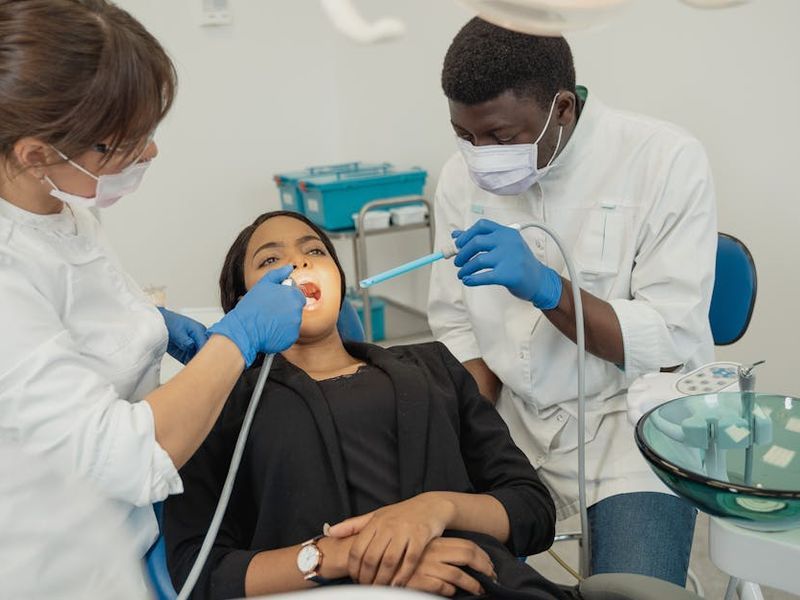
Implant treatment occurs in phases. After the initial consultation and imaging, the surgeon places the implant during a minor surgical procedure under local anesthesia (and sedation if requested). Healing typically takes several weeks to months as the implant integrates with the bone (osseointegration).
Depending on your case, your dentist may place a temporary crown or use a healing abutment before the final prosthesis is attached. The entire process can take 3–6 months or longer when bone grafting or sinus lifts are required. For multiple implants or full-arch reconstructions, treatment plans may extend but clinics often coordinate staged work to accommodate travel schedules.
Choosing the right clinic in Cuenca: Practical questions to ask
To find a clinic you can trust, prepare a checklist of questions before you commit:
- What are the clinician’s qualifications and implant training? Ask about postgraduate education, certifications, and years of experience.
- Do you use 3D imaging (CBCT) for treatment planning? This improves accuracy and outcomes.
- Which implant systems and materials do you use? Reputable brands and quality labs matter for longevity.
- Is the price quoted comprehensive? Confirm whether diagnostics, healing abutments, temporary restorations, and follow-ups are included.
- What is the warranty or follow-up policy if something goes wrong? Get this in writing.
- Can you provide before-and-after photos and patient references, including expat patients if possible?
Travel logistics: Timing, visas, and where to stay
Many implant patients plan multiple trips to Cuenca: an initial visit for consultation and imaging, one for surgery, and a final trip for restorative work. Some clinics coordinate stages to minimize travel, but factor in healing time. If you are on a tight schedule, ask the clinic if they can complete certain steps in a single visit or arrange local temporary solutions.
Cuenca’s Centro Histórico is convenient for dental work — it concentrates clinics, pharmacies, and accommodation within walking distance of Parque Calderón. For longer stays, neighborhoods such as El Vergel and San Sebastián offer quieter apartments but still good access to clinics by taxi or local bus. Taxis are plentiful; familiarizing yourself with common routes and having addresses in Spanish helps.
Visa rules vary by nationality; many visitors can stay 90 days as tourists, but confirm with your embassy if you plan longer stays for treatment and follow-up. Health-focused visas may be available for extensive treatment — discuss this if needed.
Language and communication tips
While many dental clinics welcome English-speaking patients, brushing up on Spanish dental terms can be helpful. Bring a printed list of your medical history, allergies, and current medications in Spanish and English. Translation apps work well but clarify complex treatment details with the clinician or a bilingual staff member.
Post-op care and maintenance: How to protect your investment
Aftercare is essential for implant success. Follow your clinician’s instructions for the immediate recovery period: soft foods, avoiding smoking, and gentle rinsing. Pain and swelling are usually manageable with prescribed medications or common over-the-counter analgesics recommended by the clinic.
Long-term maintenance includes excellent oral hygiene — brushing twice daily with a soft brush, interdental cleaning, and regular professional cleanings every 3–6 months initially, moving to every 6 months once your clinician is comfortable with healing. Avoid using implants to bite down on hard objects (ice, hard candy) to prevent crown damage.
Risks, contraindications and realistic expectations
No medical procedure is risk-free. Risk factors that may affect implant success include uncontrolled diabetes, heavy smoking, certain medications, and poor oral hygiene. A thorough pre-treatment medical and dental assessment will help determine candidacy.
Complications, while uncommon with experienced teams, can include infection, nerve irritation, or implant failure. These are typically manageable but underscore the importance of selecting a qualified clinic and following post-op care instructions carefully.
Financing, payments and getting the best deal
Many clinics in Cuenca accept major credit cards, bank transfers, and sometimes cash discounts. Ask about payment plans for multi-stage treatments. Some dental offices offer bundled pricing for full-arch work or discounts for combined procedures, but always verify the scope of services to avoid hidden costs later.
Consider the total cost of travel and accommodation when calculating savings versus local care. For many expats the savings are still substantial, but the best value comes from combining cost, convenience and quality.
Comparing implants to alternatives: Bridges and dentures
Dental bridges and traditional dentures are less invasive and sometimes cheaper up front, but they can create secondary issues: bridges require grinding down adjacent healthy teeth, and dentures can accelerate bone loss. Implants preserve bone and function more like natural teeth. If you plan to stay long-term in Ecuador or return periodically, implants offer the best long-term outcome for many patients.
Real expat considerations: Community and support
The expat community in Cuenca can be helpful when navigating dental care. Local forums and Facebook groups often share firsthand recommendations and personal experiences. Ask about clinics that have positive reviews from other expats, but still do your due diligence — episodic praise is useful, but consistent quality, detailed answers to your questions, and transparent pricing are more important.
Checklist before you book an implant in Cuenca
- Get a referral or read multiple independent reviews.
- Request a detailed, itemized estimate and timeline.
- Confirm language support and whether follow-up is available remotely.
- Ask about implant brand, lab work, and warranty terms in writing.
- Plan your travel so you have recovery time and local support if needed.
- Bring copies of medical records and a list of medications.
Final thoughts: Balancing cost, quality and peace of mind
Choosing dental implants in Cuenca can be a smart financial and health decision when you balance cost savings with careful clinic selection and realistic expectations. The city’s mix of modern clinics, experienced clinicians, and a welcoming expat environment makes it an attractive option for people who need high-quality restorative dentistry without the price tag of many home countries. By asking the right questions, planning logistics, and committing to aftercare, you can leave Cuenca with a durable, comfortable smile that truly is worth the investment.
If you’re considering implants, start with a consultation — many clinics offer remote pre-consultations by email or video — and gather multiple opinions to craft a treatment plan that suits your health, timeline and budget.