
Table of Contents
Why Cuenca Sparks Creativity
Cuenca’s compact, walkable historic center, riverside vistas, Andean light and lively artisan culture make it a magnet for creative expats. At roughly 2,560 meters (8,400 feet) above sea level, the city’s clarity of light, frequent cloud plays and rapid weather shifts create dramatic scenes that change by the hour—ideal for plein air painters, photographers and writers who thrive on variety.
Beyond the visual appeal, Cuenca has a strong tradition of crafts, music and small-scale galleries. That combination of accessible inspiration and hands-on artisanal knowledge is what helps so many resident artists turn a casual visit into a lasting creative practice.
Getting Your Bearings: Neighborhoods That Feed the Imagination
Choose your base wisely. The historic center (Centro Histórico) puts you within easy reach of ornate churches, colonial facades and cafés with cathedral views. Calle Larga is a pedestrian-friendly stretch of galleries, bookstores and cafés—ideal for quick sketch sessions or jumping into gallery conversations.
San Sebastián, a short walk from the main square, has a village-like feel: narrow lanes, brightly painted houses and pockets of workshops. It’s quieter at night and great for evening sketching or photographing warm indoor light spilling onto cobblestones.
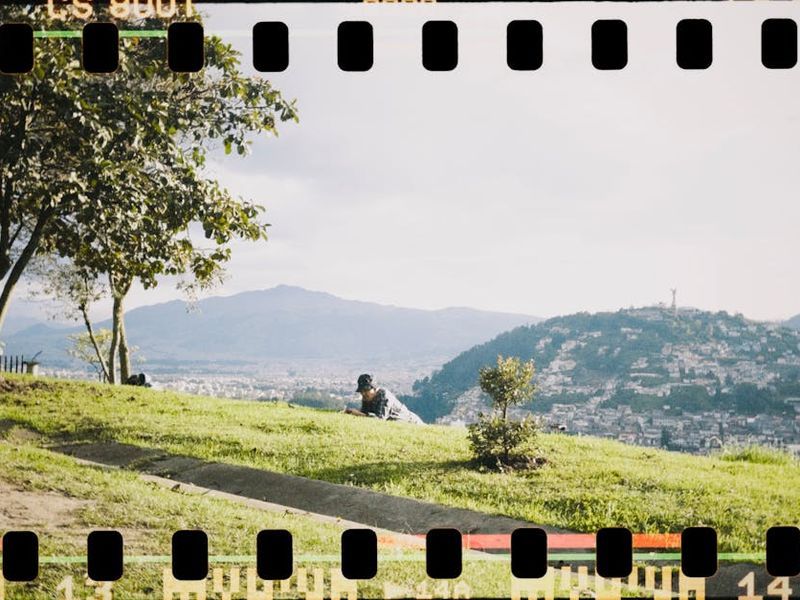
If you prefer panoramic vistas, base yourself near Turi (Mirador de Turi) for sunrise and sunset studies. Accommodations on the city’s higher slopes give easy access to viewpoints that look across red tile roofs and the blue domes of the cathedral.
Top Introductory Spots for Visual Artists
Here are specific sites where artists consistently find inspiration:
- Parque Calderón and the Cathedral area — the city’s heartbeat, excellent for figure studies, architectural details and street scenes.
- Tomebamba River Walks — lined with bridges, gardens and terraces, the riverbanks are fantastic for changing light and reflections.
- Pumapungo Museum and ruins — archaeological terraces, pre-Columbian stonework and ethnographic exhibits give texture and narrative depth.
- Mirador de Turi — sweeping vistas of the whole city for large-format paintings or dramatic photographs.
- San Sebastián and Calle Larga — intimate alleyways, artisan studios and gallery windows for close-quarter compositions.
Hidden Corners and Quiet Spaces
Beyond the usual postcards, seek out quiet courtyards behind colonial facades. Small parks tucked into neighborhoods often hold feral cats, laundry lines and unexpected vignettes. Walk early in the morning along the lesser-used river paths for mist and soft, directional light—ideal for tonal studies and mood photography.
Look for rooftop cafés and guesthouses that permit short painting sessions; a rooftop offers a different horizon and the chance to capture the city’s layers. Don’t be afraid to ask local shop owners if you can sketch inside—many will welcome the attention to detail and may even invite you inside to see older photos or objects that aren’t on public display.
Day Trips That Recharge Your Palette
Cuenca’s surroundings are a treasure trove for day-tripping artists:
- El Cajas National Park (35–45 minutes by car): High páramo lakes, sculptural rocks and moody skies make for otherworldly landscapes. Pack warm layers and be prepared for rapidly dropping temperatures—this is high-mountain terrain.
- Chordeleg (40–60 minutes): A small town famed for filigree jewelry and silversmiths; excellent for studies of metalwork and to learn local techniques from artisans.
- Gualaceo (45–60 minutes): Known for textiles and vibrant market days—an ideal stop for color studies and to source locally woven fabrics.
- Río Paute and nearby villages: For river scenes, rustic bridges and rural compositions that contrast with Cuenca’s brick-and-stone urban textures.
Where to Find Materials, Workshops and Studio Space
Practical access to supplies is crucial. Cuenca has several small art supply shops clustered near the Universidad de Cuenca and the historic center where you can buy paints, paper, canvases and brushes. For specialty items—easel hardware, archival framing materials or high-end pigments—you may want to bring them with you or order from Ecuadorian online suppliers in advance.
Look for community studios, called ‘talleres’, where local artists teach short courses in painting, printmaking, textiles and pottery. The Facultad de Artes at the Universidad de Cuenca often opens workshops and public lectures; enrolling in a short course is a great way to meet local artists and find collaborative project opportunities.
Private studios and co-working art spaces are becoming more common. Check local Facebook groups and community bulletin boards at cafés on Calle Larga for notices about open studios, shared workspace openings and skill-swap evenings.
Markets, Materials and Local Techniques
Visit the central markets early (usually before noon) to study still-life subjects: stacked fruits, colorful peppers, traditional baskets and woven textiles. The floral displays in some stalls are also excellent for quick color studies.
Don’t miss opportunities to learn traditional crafts. Whether it’s watching a hat-weaver, touring a silver workshop in Chordeleg or observing indigo and natural-dye techniques used by local textile producers, these crafts provide insight into texture and pattern that can enrich your visual vocabulary.
Photography and Light: Tips Specific to Cuenca
Because of the altitude and atmospheric conditions, shadows can be strong and color saturation vivid. Morning and late afternoon windows give you the softest, warmest light; midday can be harsh but also offers strong contrast useful for graphic compositions.
Cloud cover moves quickly—carry a lightweight tripod, ND filters for long exposures on the river and a small reflector for portrait work. If you shoot film, note that film can behave differently at elevation; pack fresh batteries and extra memory cards for digital work since cold mornings and battery drain can be an issue.
Community and Networking: How to Plug In
Finding community is part of the creative life in Cuenca. Regularly check gallery windows and café bulletin boards for openings, readings and pop-up markets. Attend gallery openings on Calle Larga and around Parque Calderón—these are often low-key and great for meeting other artists and collectors.
Online, local Facebook groups and Meetup events are fertile ground. Search for groups dedicated to expats, painters, photographers and arts workshops in Cuenca. Libraries and cultural institutions publish monthly calendars—grab a physical bulletin at the Casa de la Cultura regional office or at the tourist information kiosk in the center.
Finding Model Subjects and Collaborative Projects
Figure studies and portraiture benefit from Cuenca’s public life. With permission, you can do quick sketches of market vendors, musicians and artisans; many will be flattered and may ask for copies. If you want more formal models, inquire at the Universidad de Cuenca’s arts faculty or at private studios—students often look for paid opportunities to pose and are enthusiastic collaborators.
Look for collaborative projects with local artisans—printmakers, weavers, potters—who may welcome visual approaches that translate their traditional motifs into contemporary art. These exchanges often lead to small exhibitions or craft-meets-fine-art pop-ups that attract both locals and tourists.
Practical Considerations: Health, Weather and Safety
Altitude can affect stamina and concentration. Give yourself a few days to acclimatize, especially if you plan multiple outdoor sessions. Drink plenty of water, pace your exertion, and avoid heavy physical activity on your first day.
Weather in Cuenca can be unpredictable—pack layers and a waterproof jacket. Evenings can feel chilly due to altitude. Carry a compact umbrella or a rain cape for your art supplies when working al fresco.
Cuenca is generally safe for artists working outdoors, but standard precautions apply: keep valuables secure, don’t leave supplies unattended, and ask before photographing people in markets or inside small shops. Local vendors and shopkeepers are usually friendly; a polite question in Spanish goes a long way.
How to Sell or Exhibit Work Locally
If you want to sell, start small: pop-up markets, gallery consignments and cooperative spaces are accessible options. Craft markets near the historic center attract tourists looking for hand-made items—consider small prints, postcards or wearable art if shipping and framing are obstacles.
Galleries in Calle Larga and around the cathedral often show contemporary work; approach them with a concise portfolio and a clear idea of what you want to exhibit. Cultural centers sometimes offer juried shows or themed exhibitions; check their submission calendars for opportunities.
For higher visibility, consider collaborating with local cafés and guesthouses to display small works. These venues can sell art on commission and expose your work to both residents and the steady tourist flow.
Long-Term Residency Tips for Expat Artists
If you plan to stay longer, find a live-work space in San Sebastián or near the university for lower rent and direct access to studios and student networks. Learn basic Spanish—your ability to ask questions, negotiate for supplies and respectfully participate in workshops will expand your creative options.
Keep documentation for visa and residency processes in order if you’re teaching workshops or selling work. Local cultural organizations sometimes sponsor visiting artists—explore grants and residency programs through municipal cultural offices or the university.
Final Thoughts: Let the City Surprise You
Cuenca rewards the curious. Walk without a plan some mornings and you’ll discover a tile workshop, a rooftop with an improbable angle on the cathedral, or a grandmother arranging flowers in a courtyard. Some of the best inspiration comes from these quiet, unplanned encounters.
Bring sketchbooks, a flexible mindset and an interest in local crafts. Balance time in well-known landmarks with aimless wandering through neighborhoods. The city’s rhythms—from market mornings to late-night music—create a steady stream of material for any artist willing to listen and look closely.
Quick Checklist for Artists Visiting Cuenca
- Pack: compact sketch kit, waterproof layer, tripod, extra batteries
- Visit early: markets and river walks are best at sunrise
- Day trips: El Cajas for landscapes, Chordeleg and Gualaceo for crafts
- Network: check Calle Larga galleries, university workshops and local Facebook groups
- Sell smart: start with prints, postcards and small works at cafés and pop-ups
Cuenca is a place where layered history, intimate neighborhoods and Andean landscapes come together to stimulate every artistic discipline. By combining the city’s best vantage points with community connections and practical planning, expat artists can turn short visits into deep, creative practice.