
Table of Contents
Why Cuenca is a Great Base for Nature Lovers
Cuenca’s colonial streets and UNESCO-listed architecture are only the beginning. Perched at roughly 2,560 meters (8,400 feet) in the southern Andean highlands, the city sits at a crossroads of ecosystems — high páramo, Andean cloud forest, river canyons and fertile valleys. That variety puts world-class nature experiences within day-trip range or a short overnight away, making Cuenca an ideal home base for outdoor enthusiasts.
Parque Nacional El Cajas: Lakes, Páramo and Epic Hiking
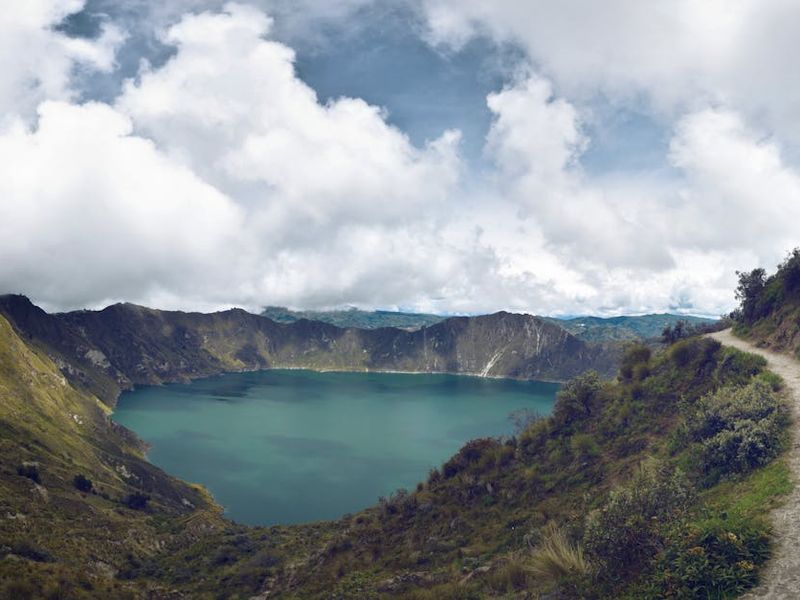
No list of natural highlights around Cuenca is complete without Parque Nacional El Cajas. Just 30–40 minutes by road to the west, El Cajas protects a dramatic expanse of glacial-carved valleys and more than 200 high-altitude lagoons. Elevations range from about 3,100 m to over 4,400 m, so you’ll move from windswept grasslands to icy alpine lakes in a matter of hours.
What to do: hike between lagunas, birdwatch for highland specialists, photograph fog-locked landscapes and try trout fishing in the park’s streams (with a permit). Popular trails include short circuits around large lagoons and longer treks that link multiple lakes and passes. If you want to maximize wildlife sightings, consider staying overnight in one of the park’s refuges or nearby lodges to experience dawn and dusk when birds are most active.
Practical tips: plan for cold, wind and sudden weather changes; layers, a waterproof jacket, and sun protection are essential. Also be mindful of altitude: take the first day in Cuenca easy and drink plenty of water before ascending into higher elevations.
Riverside Walks: Tomebamba, Yanuncay and Machángara
Cuenca’s rivers are the city’s green veins. The Tomebamba cuts a scenic route through the historic center, with promenades, bridges and riverside plazas perfect for casual strolls and photography. On both sides of the center, you can find quieter paths where local families walk in the evenings and small parks bloom with native plants.
The Yanuncay and Machángara rivers, which flow into the Tomebamba, offer short escapes from the urban core. Follow the concrete promenades out of town into stretches of more natural riparian vegetation where you may spot kingfishers, hummingbirds and other small species that adapt to city-edge habitats.
Tips for birders and photographers: early morning offers soft light and more avian activity. Bring binoculars and a field guide focused on Ecuador or the Andes to identify local species.
Turi Viewpoint and Paragliding: A Bird’s-Eye Perspective
For a sweeping panorama of Cuenca and the surrounding Andean ridges, head up to Mirador de Turi. The viewpoint sits on a ridge south of the city and provides a classic view of the red-tiled roofs and surrounding farmlands. It’s also a local hub for paragliding — if you’re comfortable flying, tandem launches from this ridge supply an unforgettable aerial look at the valleys below.
Why it’s worth it: beyond the view, Turi is a great place to watch vultures and other raptors ride thermal updrafts. Sunset from the mirador is especially dramatic, with the city lights twinkling as the temperature drops.
Girón: Waterfalls, Canyons and Rural Trails
Less than an hour southeast of Cuenca, the small colonial town of Girón offers a quieter, more rural nature experience. The landscape here becomes more rugged, with canyons, forested slopes and several attractive waterfalls and viewing points. Local trails range from family-friendly walks to steeper paths that reward hikers with views of deep valleys and terraced agriculture.
Community tourism is popular in this area: you can hire local guides, ride horses, or stay in small hosterías that combine hospitality with authentic hill-country fare. These visits support local economies and give you the chance to learn about agricultural practices, water management and local conservation efforts.
Gualaceo, Chordeleg and the Paute Valley: Combine Craft Markets and Cloud Forest Trails
Head east from Cuenca into the Paute valley to find a different kind of green — lower-elevation cloud forest and subtropical farmland. Gualaceo and nearby Chordeleg are best known for handicrafts and jewelry, but the countryside surrounding them features hummingbird-rich gardens, shaded trails and small waterfalls. For birders and nature photographers, the contrast of cloud forest understorey and rural mosaics is appealing.
Practical suggestion: create a loop connecting Cuenca → Gualaceo → Chordeleg → Sigsig (if time allows), stopping at roadside gardens that often host colorful hummingbirds and tanagers. Local restaurants on the route serve fresh trout and other river-caught specialties.
Ingapirca and the Highland Mosaic: Ruins with a Landscape
About 80–90 km north of Cuenca, the Ingapirca archaeological complex sits in rolling highlands. While Ingapirca is primarily a cultural destination, the surrounding highland grasslands and agricultural terraces offer lovely walking opportunities. Combine a visit to the ruins with a short hike along the ridgelines to appreciate wildflowers, grazing llamas and open sky vistas.
Why include this: combining cultural and natural exploration gives a fuller sense of how human history and the Andean landscape intertwine. The site’s elevated setting also makes for excellent sunrise and sunset photography.
Night Skies and Nature Sounds: Where to Find Quiet Outside the City
Cuenca’s urban core is peaceful by global city standards, but true dark skies and natural night soundscapes require a short drive. Whether you’re camping near El Cajas (in permitted zones), staying in an eco-lodge outside Girón, or sleeping in the Paute valley, you’ll enjoy star-filled skies. The light pollution reduction beyond the city makes astronomy a delightful addition to any nature itinerary.
Nighttime wildlife: look and listen for owls, nightjars and nocturnal rodents. Guided night walks with local naturalists can reveal species you would otherwise miss.
Flora and Fauna to Watch For
The biodiversity around Cuenca reflects the altitudinal gradient. In El Cajas you’ll find páramo specialists — cushion plants, tussock grasses and sometimes frailejón-like rosette plants — along with waterfowl like coots, Andean geese and occasional large raptors. Lower slopes and cloud forest pockets host a riot of hummingbirds, tanagers, motmots and woodpeckers.
Wild mammals includeAndean foxes, vizcachas (a rabbit-like rodent in rocky outcrops), and a variety of small mammals. Keep expectations realistic: large mammals such as spectacled bears are possible but infrequently seen. A pair of binoculars, patience and a local guide will greatly boost your chances of meaningful wildlife encounters.
Practical Planning: When to Go, What to Pack and Safety
Best time to visit: the dry season (roughly June through September) is ideal for hiking and mountain views, but the shoulder months can also be lovely with fewer crowds. Expect afternoon showers during the wetter months (October–May), so flexible plans work best.
Packing essentials:
- Layered clothing: base layer, insulating mid-layer, waterproof outer layer
- Sturdy hiking shoes with good traction
- Sun protection: sunscreen, hat, UV sunglasses
- Hydration system or bottles and snacks; electrolyte mixes help at higher elevations
- Binoculars and a camera with a zoom lens for birds and landscapes
- Small first-aid kit and any altitude medication you use
Safety notes: altitude can affect people differently. Take it easy on your first day, avoid heavy exertion if you feel unwell, and consider aclimatization days before big ascents. Stick to marked trails, and let someone know your route if you head into remote areas.
Guides, Day Trips and Overnight Options
Many visitors opt for guided day trips, especially to El Cajas. Guides provide local knowledge on trails, flora and fauna, and help with navigation in foggy or snowy conditions. If you prefer independent travel, rental cars and bus services connect Cuenca to most natural areas, though some backroads may require cautious driving.
Overnight options vary from budget hostales in nearby towns to comfortable eco-lodges that emphasize birdwatching and low-impact stays. Staying overnight near a park or in a mountain hacienda extends your window for wildlife viewing and photography — dawn and dusk are often the most rewarding times.
Responsible Travel and Supporting Local Conservation
Respect for fragile ecosystems is paramount. Carry out all trash, stay on designated trails, and avoid feeding wildlife. When possible, hire local guides and support community-run tourism initiatives — these keep money in local hands and incentivize conservation. Many small towns around Cuenca rely on sustainable tourism: your choice of guide, lodge or restaurant can have a real impact.
Consider visiting local markets and workshops in Chordeleg or Gualaceo to combine nature time with cultural support for artisans. Buy locally made handicrafts, eat at family-run eateries, and ask how tourism revenues are used to support environmental projects.
Sample Itineraries for Different Interests
One-day nature sampler: Tenerife morning in El Cajas — short loop to a lagoon, picnic, quick birding stop — return to Cuenca for a riverside sunset walk along the Tomebamba.
Two-day birding weekend: day one in the Paute valley and Gualaceo gardens for hummingbirds and tanagers; overnight in a local lodge. Day two at lower slopes near Girón or at a cloud forest reserve, with early-morning guided walk followed by an afternoon artisan market visit.
Family-friendly pace: visit Turi viewpoint and Mirador de Turi for short walks and paragliding options, then an afternoon picnic by a river promenade in Cuenca with easy, child-friendly circuits.
Final Thoughts: Make Time for Both Wilderness and Neighborhood Greenery
Cuenca’s natural attractions are as varied as they are accessible. Whether you crave the stark beauty of high Andean lakes, the intimate charm of riverside promenades, or the vibrant life of cloud forest gardens, there’s a nature experience close at hand. Pack wisely, respect local environments and communities, and be willing to slow down — the best wildlife and most memorable landscapes often reveal themselves when you take the time to listen and look.
With a slow itinerary and curiosity, Cuenca becomes much more than a picturesque colonial city — it’s a gateway to ecosystems that range from alpine to subtropical, all within easy reach for the nature-loving traveler.