
Table of Contents
Why Cuenca? A quick overview for expats choosing a neighborhood
Cuenca consistently ranks among the top retirement and expat destinations in Latin America for good reason: a pleasant year-round springlike climate, solid healthcare, a compact walkable historic center, and a lively expat community. But Cuenca is not one-size-fits-all. The city’s character changes dramatically from the cobblestone alleys around Parque Calderón to the quiet hilltop neighborhoods near Mirador de Turi and the modern shopping districts in the north. Choosing the right area comes down to priorities—walkability, nightlife, healthcare access, noise levels, or a larger yard. This guide breaks down the best places to live in and around Cuenca and gives practical, on-the-ground tips so you can find the right fit.
How I organized this guide
Rather than just naming places, I group neighborhoods by the lifestyle they offer and anchor each description with familiar landmarks and realistic expectations—typical rental ranges, who tends to live there, transport options, and everyday pros and cons. Wherever possible I include specific local references (Parque Calderón, Tomebamba River, Mirador de Turi, Universidad de Cuenca, Mall del Río, Gualaceo and Chordeleg) so you can picture each area and plan visits.
1. Centro Histórico (Parque Calderón area) — for lovers of colonial charm
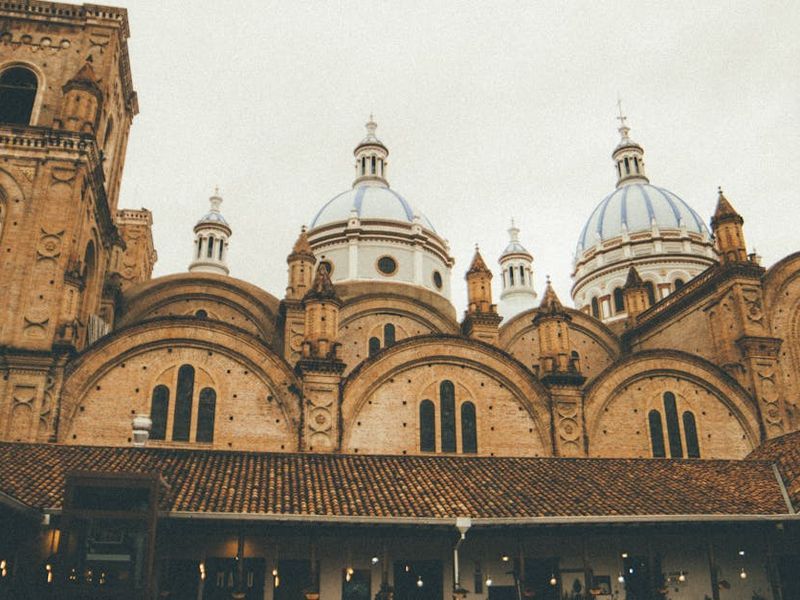
What to expect: The historic heart of Cuenca is what most people picture when they think of the city—red-tile roofs, churches with blue domes, narrow cobblestone streets and plazas full of cafes and artisans. Parque Calderón is the center of activity and cultural events year-round.
Who it’s good for: Expats who want to be in the middle of things—cafés, restaurants, museums and a short walk to hospitals and shops. Also ideal if you plan to walk everywhere and enjoy lively street life.
Practical notes: Rental prices vary widely. A one-bedroom apartment in good condition can start around $350–$600 per month; larger or renovated colonial flats can be $700–$1,200. Expect centuries-old buildings with high ceilings but often no elevators and sometimes thinner walls. Noise can be an issue—festivals and nightlife mean activity late into the evening. Also be mindful of pickpockets in crowded spots; usual city precautions apply.
2. Riverside neighborhoods along the Tomebamba — scenic and walkable
What to expect: The Tomebamba river, which runs through Cuenca, is lined with promenades, parks and attractive residential blocks. These riverbank areas give you the benefits of the old town’s proximity without being in the busiest blocks.
Who it’s good for: People who want scenic walks, easy access to markets and cafes, and a slightly quieter evening atmosphere than the immediate Parque Calderón zone.
Practical notes: Many apartments here are in modernized buildings or renovated colonial structures. Light, views and riverside parks are the main draws. Prices similar to the Centro, but you can often find newer units for the same money. Watch for occasional flooding risks in low-lying stretches (rare, but check with locals) and cobblestone streets that can wear on shoes and tires.
3. San Sebastián and adjacent historic barrios — quiet charm with character
What to expect: San Sebastián sits just north of the Parque Calderón area and keeps a very historic feel while being a touch calmer. Narrow streets, artisan shops and small family-run restaurants are typical here.
Who it’s good for: Those who want old-world charm but prefer a quieter, more residential vibe than the immediate tourist center.
Practical notes: Access to services is excellent—small grocery stores, bakeries and mercados are common. Many streets are pedestrian-friendly, but you’ll find fewer modern apartment buildings and more small houses and converted flats. If mobility is a concern, note that many properties have stairs and uneven sidewalks.
4. Turi and Bellavista — hilltop views and a quieter suburban feel
What to expect: Rise above the city to Turi and nearby Bellavista for panoramic views of Cuenca and the Andes. Turi is famous for its Mirador (viewpoint), souvenir shops and cooler nights. Properties range from single-family homes to small condos and new developments.
Who it’s good for: Expats seeking peace and views, gardeners who want a yard, and anyone who doesn’t mind a longer commute into the city center. Great for afternoon walks and a quieter pace.
Practical notes: Turi is about a 15–25 minute drive from the historic center depending on traffic. Public transport reaches the area but schedules can be less frequent. Expect to pay slightly more for homes with views; utilities and heating needs can be a bit higher at elevation. If you drive, a car makes life easier here.
5. University and hospital districts — convenient and well-served
What to expect: The blocks around Universidad de Cuenca and main hospitals (public and private) are practical neighborhoods with lots of services—cafés, clinics, bookstores and pharmacies. They are busy during the day and more residential in the evenings.
Who it’s good for: Students, academics, healthcare professionals, and retirees who prioritize easy access to medical care and daily conveniences.
Practical notes: Apartments here are often more affordable and designed for practical living. Street noise during university term time can be louder; look for places on backstreets if you need quiet. Proximity to hospitals like Vicente Corral Moscoso (the main public hospital) is a major plus for expats who want quick access to care.
6. Northside: modern malls, supermarkets and gated communities
What to expect: The north of Cuenca has newer construction, shopping centers (for example, larger malls and supermarkets), wider streets and more car-centric development. If you want predictable services, large grocery chains, fitness centers and modern apartment complexes, this is the area to consider.
Who it’s good for: Families, people with cars, and anyone who values modern conveniences and suburban-style living within city limits.
Practical notes: Rent for newer apartments may be similar to central prices but can offer more square footage and amenities (parking, elevators, security). If you appreciate suburban quiet and drive frequently, the north can be ideal. If you want frequent cultural events and nightlife, you’ll need to drive into the historic center.
7. Nearby towns and valleys: Gualaceo, Chordeleg and the El Cajas edge
What to expect: Many expats who want a slower pace or land for a garden move just outside Cuenca to towns like Gualaceo and Chordeleg. These towns are an easy drive away (30–60 minutes), have active artisan markets and a distinctly different microclimate—warmer and more valley-like. The area near Parque Nacional El Cajas is cooler and more rural, with options for larger plots and farmsteads.
Who it’s good for: People looking for space, lower density, artisanal culture, and cheaper land. These towns are also popular if you want to split time between city amenities and a rural retreat.
Practical notes: If you live outside Cuenca, plan for commutes into the city for doctor appointments, banks and specialized shopping. Road quality varies; a car is highly recommended. Rural properties often need attention to water and septic systems, so inspect thoroughly or hire a local consultant.
Practical considerations when choosing a Cuenca neighborhood
Budget and rental expectations
Cuenca rents are lower than in North American and many European cities, but they vary a lot by area and property condition. Expect to see a wide range: small studios from about $250–$400, decent one-bedrooms $350–$700, and larger modern two- or three-bedroom apartments or houses from $600–$1,500 depending on location and finish. Furnished rentals are common and many include basic utilities in the contract—clarify this before signing.
Transport and commute
Taxis are inexpensive and safe; a typical in-city ride costs just a few dollars. Buses are plentiful and cheap but can be crowded. If you prefer driving, note that parking in the historic center is limited and many streets are one-way. Consider proximity to main avenues or bus lines if you don’t want to rely on taxis frequently.
Healthcare and services
Cuenca’s healthcare is one of its strengths. Private clinics and hospitals offer excellent care at costs far below what you’d expect in the U.S. or Canada. If quick access to doctors and specialist clinics matters to you, choose a neighborhood near the main hospitals or the city center.
Safety
Cuenca is generally considered safe compared to many large cities, but petty theft and opportunistic street crime occur—especially in busy markets and touristy spots. Basic precautions (use a money belt, don’t flash valuables, secure bicycles) go a long way. Neighborhoods with good lighting and active street life (Centro, riverbanks, northside) can feel safer at night; isolated hillside spots are quiet but darker after sundown.
Climate and altitude
Cuenca sits at about 2,500–2,600 meters (8,200–8,530 feet). That means mild daytime temperatures and cool nights—layers are essential. Some neighborhoods (Turi, El Cajas edge) are a bit cooler; valleys like Gualaceo are warmer. If you’re sensitive to altitude, plan at least a few days of acclimatization and consult your doctor about chronic conditions.
Apartment-hunting tips: how to find and secure the right place
1) Start with short-term housing—rent an Airbnb or short-term furnished apartment for 1–3 months while you look. This gives you time to explore neighborhoods at different times of day.
2) Use local Facebook groups and expat forums for listings and references. Many long-term rentals circulate here first.
3) If working with an agent, verify references and understand fees—agents often charge one month’s rent or a percentage.
4) Inspect for damp, hot-water reliability and internet speed. Ask neighbors about noise and building management. If electricity or water supply is unpredictable, factor emergency options into your decision.
5) Understand the lease: clarify included utilities, maintenance responsibilities, deposit returns and contract length. Many landlords request a two- or three-month deposit—negotiate if possible.
Neighborhood checklist: questions to ask yourself
- Do I want walkable access to cafes, markets and cultural life, or a quieter suburban yard?
- How important is proximity to hospitals and specialist care?
- Do I plan to drive, and will I need guaranteed parking?
- What is my tolerance for cobblestone streets, stairs, and older buildings without elevators?
- Do I want to live in a community with other expats or be immersed among Ecuadorian neighbors?
Final thoughts: match neighborhood to lifestyle
Cuenca rewards anyone who spends time exploring. The best neighborhood for you depends on what you want from daily life—instant access to cultural events, a quiet garden and views, or modern conveniences and malls. Start centrally if you want to feel the city’s pulse and scout quieter corners for longer-term commitments, or choose a suburban or nearby-town lifestyle if space, gardening or peace are priorities.
Whatever you prefer, Cuenca offers a range of neighborhoods and nearby towns that can suit retirees, remote workers, families and adventurous singles. Spend a few weeks visiting different areas at different times of day, talk to neighbors and shop at local mercados—those on-the-ground impressions will guide you to the right barrio.
Quick resource list
- Landmarks to help orient yourself: Parque Calderón, Tomebamba River, Mirador de Turi, Universidad de Cuenca, Hospital Vicente Corral Moscoso, Mall del Río.
- Nearby towns to consider for a slower pace: Gualaceo, Chordeleg, and rural parcels near El Cajas.
- Practical starting rent expectations: $250–$400 (studio); $350–$700 (1 BR); $600–$1,500+ (larger/modern homes).
Use this guide as a starting framework, then come with time to explore. Cuenca’s neighborhoods reveal themselves best to those who wander the streets, sip the coffee, and talk to neighbors. Buen viaje—see you in Cuenca!