
Table of Contents
Why Cuenca’s Lifestyle Feels Different — and Why That’s Good
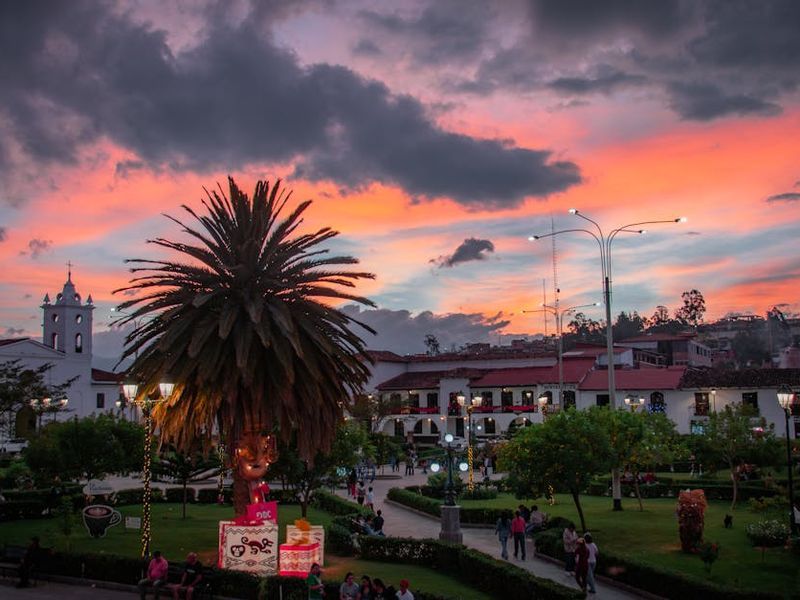
Cuenca, Ecuador, is famous for its colonial architecture, blue-domed cathedral, and a river that threads gently through the historic center. But what draws many visitors and long-term residents is something less visible: a slower, calmer way of life. The alpine climate, pedestrian-friendly streets, and a culture that values family and leisure create a sense of tranquility that can be restorative — if you learn how to tune into it.
Start with Your Pace: Recalibrating Expectations
When you arrive, it’s tempting to expect the speed of your home city. Instead, give yourself permission to slow down. Appointment times are often flexible, lunchtime can stretch longer than you anticipate, and shopkeepers may pause for a longer coffee break. Consider scheduling fewer activities the first few weeks and use that extra time to wander, observe, and get used to Cuenca’s natural rhythms.
Practical tip:
- Plan light days for the first 2–4 weeks. Take a walk along the Río Tomebamba and visit Parque Calderón to get orientation without pressure.
- When booking medical or administrative appointments, allow a buffer of at least 30 minutes and confirm by phone the day before.
Anchor Your Day Around Local Routines
Adopting local routines will help you feel settled faster. Many Cuencanos enjoy a morning tinto (small black coffee) at a corner café, a generous mid-day almuerzo (a set lunch with soup, a main, and juice), and a relaxed evening. Public life often centers around plazas and cafés, especially in the historic center near the Catedral Nueva.
Practical tip:
- Try having one main meal at lunchtime. Local restaurants often serve an almuerzo for a fraction of the price of an à la carte dinner, and it’s a great way to meet locals and adjust to meal rhythms.
- Keep a small thermos for hot water or tea — mornings and evenings can be cool at Cuenca’s elevation (~2,560 m).
Choose a Neighborhood That Matches Your Tempo
Cuenca offers a variety of neighborhoods, each with its own feel. The Centro Histórico is vibrant and walkable, with markets, cafés, and the cathedral’s iconic blue domes. Turi gives you hilltop views and a quieter pace near the mirador, while neighborhoods like El Batán and San Sebastián offer a more residential, community-focused vibe.
How to pick:
- If you want daily variety and easy access to cultural events, live in or near the historic center.
- If you prefer quieter streets, green spaces, and more modern housing, explore outlying barrios that still have good taxi or bus connections.
- Visit neighborhoods on foot at different times (weekday mornings, mid afternoons, evenings) to get a true sense of daily life.
Community and Connection: Building a Social Life Slowly
Cuenca’s social life is based on small gatherings, neighborhood markets, and cafés. Joining local activities — Spanish classes, yoga studios, art workshops, or volunteer groups — is a great way to form connections. There are active expat groups on social media and local meetups where long-time residents share tips on services, healthcare, and cultural norms.
Practical tip:
- Take a beginner Spanish course tailored to expats. Even a modest ability in Spanish opens doors to deeper friendships and everyday conveniences.
- Try shared activities like language exchanges, artisan workshops near Plaza San Sebastián, or walking groups along the Tomebamba.
Food, Markets, and Eating Like a Local
Food is central to adjusting to life in Cuenca. The city’s markets are abundant with fresh produce, cheeses, and local specialties. Mercado 10 de Agosto is a lively place to explore fruits, vegetables, and local snacks. Embrace the almuerzo habit, sample street-food empanadas, and indulge in the ubiquitous pan de yuca or a sweet treat from a bakery near Parque Calderón.
Practical tip:
- Shop at markets for better prices and fresher produce than supermarkets. Start with small purchases to learn what’s in season.
- Try regional specialties slowly — your digestion may need time to adapt to dietary changes at high altitude.
Health, Altitude, and Everyday Wellness
Cuenca sits at about 2,560 meters (roughly 8,400 feet). Most people acclimatize quickly, but you should take a few sensible precautions: hydrate regularly, avoid strenuous exercise for the first few days, and be mindful of cold mornings and evenings. Private clinics and hospitals in Cuenca offer good care; many expats recommend finding a local doctor soon after arrival for routine needs and paperwork related to residency.
Practical tip:
- Carry a water bottle and sip steadily — reduced humidity at altitude can lead to dehydration.
- Dress in layers. Temperatures can swing from cool mornings to pleasantly warm midday sun, then back to chilly at night.
Transport and Getting Around at a Gentler Pace
Cuenca is very walkable, especially in the historic center where narrow streets and plazas invite strolling. Taxis are plentiful and inexpensive — agree on the fare or make sure the meter is used for longer trips. The city also has an efficient bus system for reaching farther neighborhoods, and day trips to places like El Cajas National Park are common for weekend adventurers.
Practical tip:
- Learn a few basic phrases to direct taxis and ask about bus routes. A written address card with your destination helps.
- Invest in a comfortable pair of walking shoes. Exploring on foot is one of the easiest ways to feel at home.
Administrative Life: Patience and Preparation
Dealing with paperwork — residency, local registrations, utilities — is part of settling in. Processes can be slower and require in-person visits. Bring all necessary documents, photocopies, and patience. Many expats use a gestor (an agent) to help with immigration paperwork and local bureaucracy, which can be worth the fee for peace of mind.
Practical tip:
- Keep a folder with originals and copies of passport pages, visas, receipts, and contact numbers for the consulate.
- Ask other expats or local friends for recommended gestores who speak both Spanish and English to minimize misunderstandings.
Making the Most of Cuenca’s Natural and Cultural Offerings
Part of embracing the slower pace is learning to enjoy simpler pleasures: a weekend hike in El Cajas with its glacial lakes, a sunset at the Mirador de Turi, or an afternoon in Museo Pumapungo learning local history. Cultural life in Cuenca includes artisan markets, live music in plazas, and occasional festivals. Slowing down gives you time to discover small museums, meet local artisans, and find hidden cafés that become neighborhood favorites.
Practical tip:
- Schedule regular nature outings. Even short hikes reenergize and help you connect to the highland environment.
- Support artisan markets. Buying a locally woven scarf or a handcrafted item helps you form ties with the community and preserves local crafts.
Money Matters: Cost of Living and Practical Budgeting
Cuenca’s cost of living can be significantly lower than many North American or European cities, but lifestyle choices matter. Eating out at local restaurants (almuerzo style) and shopping markets keeps costs down; imported goods and upscale international restaurants can be expensive. Learn where to shop for quality at a fair price and keep a small budget category for occasional treats or travel.
Practical tip:
- Open a local bank account when you feel comfortable with paperwork; it makes paying rent and utilities easier.
- Use cash for small purchases. Many markets and taxis operate mainly with cash, though card acceptance is increasing.
When You Miss Faster Pace — Staying Balanced
It’s normal to miss the speed and variety of a big city. If you crave more activity, plan regular trips: weekend excursions to larger Ecuadorian cities, cultural centers, or connecting with a larger expat community. At the same time, make room in your schedule for the restorative parts of Cuenca’s life: slow coffees, long market visits, and relaxed conversations.
Practical tip:
- Mix routines: a structured week (language classes, volunteer work) with unstructured afternoons (park reading, cafés) keeps life satisfying.
- Keep a list of local places and routines that calm you — your favorite café, a bench by the river, or a sunset viewpoint — and go there when you need grounding.
Simple Rituals to Feel at Home Faster
Creating small rituals helps you internalize Cuenca’s rhythm. A morning walk to buy bread, a weekly market day, a Spanish class twice a week, or a Sunday visit to the cathedral plaza can anchor your time. These habits make everyday life predictable in a gentle, enjoyable way.
Practical tip:
- Choose one local food, one local place, and one local friend each month to make a regular part of your life.
- Document your transition: a photo-a-day of a street corner or a short journal helps you notice progress and small joys.
Final Thoughts: Let the Pace Change You
Adapting to Cuenca’s relaxed lifestyle is less about forcing change and more about allowing small adjustments to become habits. Slow down incrementally, build local routines, and stay curious. Before long, the slower cadence of daily life in Cuenca can feel like a gift — one that improves health, deepens relationships, and invites a richer sense of ease.
Embrace the walk by the Río Tomebamba, sip that second tinto when the sun hits the plaza, and let the city’s gentle rhythm teach you the art of unhurried living.