
Table of Contents
Welcome to a Slower Pace: Why Cuenca Feels Different
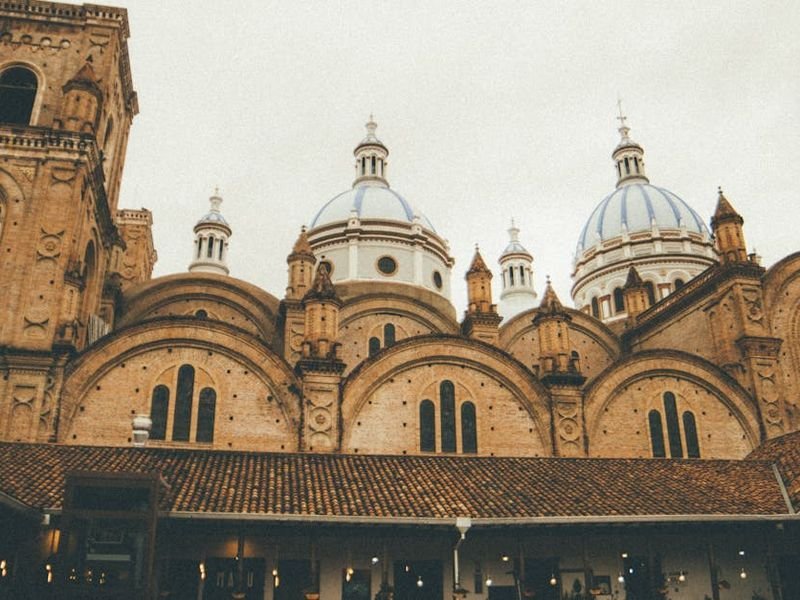
Moving to Cuenca, Ecuador, is like stepping into a gentler frame of time. With its tree-lined plazas, the stone bridges over the Tomebamba River and an altitude that keeps the climate pleasantly cool year-round, life here moves at a softer tempo than many large cities. That relaxed rhythm is part of Cuenca’s charm, but it also requires intentional adjustment—especially for newcomers accustomed to fast-paced routines.
First Steps: Practical Tips for Your First Weeks
The first days set the tone for how quickly you acclimate. Start by putting down a basic routine: register with local authorities if required, open a bank account if you’ll be staying long-term, and locate a nearby mercado (public market) for fresh produce. Getting the small, practical pieces sorted—medical contacts, a SIM card, the nearest pharmacy—reduces friction and helps you enjoy the city’s quieter pleasures.
Acclimatize to the Altitude
Cuenca sits at roughly 2,500–2,600 meters (about 8,200–8,500 feet) above sea level. For many people this means a light, temporary shortness of breath or extra tiredness during the first week. Take it easy: drink plenty of water, avoid heavy exertion for the first 48–72 hours, and limit alcohol while your body adapts. Sunscreen and sunglasses are important too, because UV intensity is higher at altitude.
Finding the Neighborhood That Fits
Cuenca’s neighborhoods offer very different vibes. The Historic Center (Centro Histórico) is ideal if you want cobblestone streets, colonial balconies and cafés around Parque Calderón. If you prefer quieter residential streets with easy access to green spaces, explore barrios that back onto the river or higher viewpoints for sweeping city panoramas. Consider proximity to tram stops or main roads if you plan to commute—public transportation can be slower than in megacities but is reliable for many routes.
Housing Tips: What to Look For
Many apartments in Cuenca are in older, character-filled buildings. Thick masonry walls keep interiors cool at night, but older properties may lack central heating (rarely needed) or modern insulation. Check for hot water reliability, the condition of plumbing, and whether staircases or elevators suit your mobility. If you drive, evaluate parking arrangements carefully—central streets are narrow and cobblestoned.
Daily Life: Embracing Local Routines
Shops and businesses in Cuenca may follow a different tempo: some close in the middle of the day for a break and reopen in the afternoon, and evenings are more relaxed than urban nightlife centers. Adapt by scheduling errands in the morning, reserving afternoons for leisurely walks by the river or reading in a café, and enjoying dinner between 7–9 pm. Learning to plan around these rhythms will make your life smoother and less stressful.
Markets, Cafés and Food Culture
One of the joys of living in Cuenca is the access to fresh markets and neighborhood bakeries. Local mercados brim with seasonal Andean produce, fresh cheeses, bakeries with morning breads and abundant flowers. Try small neighborhood cafés for coffee and people-watching; many expats and locals form tight social circles around these spots. Learn a few phrases in Spanish to ask for produce and to haggle politely at open markets—it’s appreciated and opens doors to better relationships.
Getting Around: Transportation Tips
Cuenca’s public transport and taxi systems are practical and inexpensive. The city also operates a modern tram (Tranvía) connecting central areas with outlying districts—an efficient option for daily commutes. Taxis are plentiful and economical; many drivers accept cash only, so keep small bills on hand. Ride-hailing and radio taxi services are available too. Walking is delightful in the center, but sturdy shoes are recommended for cobbled streets and occasional steep inclines.
Social Integration: Making Community a Priority
The relaxed pace is easier to enjoy with connection. Local clubs, language exchanges, volunteer opportunities and craft markets provide natural ways to meet people. Attend cultural events in the Parque Calderón, browse artisan fairs, or take a weekend trip to nearby towns where traditional crafts like jewelry and textiles are still made. Joining a community class—yoga, salsa, painting—helps structure your week and introduces you to both locals and fellow expats.
Language and Cultural Tips
Spanish fluency makes life exponentially easier, so invest time in classes or conversational tandems. Even basic phrases—greetings, expressions of gratitude, simple questions—are warmly received. Respectful gestures include arriving on time for formal appointments but being flexible for informal gatherings, and using polite forms of address when meeting elders. Observing local festival dates and civic holidays can also help you anticipate market closures and special events.
Work-Life Balance: Slowing Down Without Losing Purpose
If you work remotely or are semi-retired, Cuenca rewards a balanced schedule. Block out hours for focused work, and schedule afternoons for exploration or socializing. Many expats treat mornings as productive time and afternoons for walking the riverbanks, reading in a park, or visiting a museum. If you miss the bustle, create micro-rituals that keep you energized: a brisk morning walk, a weekly co-working session, or a, late-afternoon coffee with friends.
Health, Safety and Practical Services
Cuenca has accessible healthcare, with both public and private options. Make sure you have a local physician and know the locations of nearby clinics—many expats join private clinics for convenience and English-speaking staff. Carry a small first-aid kit and keep copies of important documents. While the city is generally considered safe, petty theft happens anywhere: use usual precautions at night, secure valuables, and avoid poorly lit, isolated areas.
Weekend Escapes and Natural Beauty
Part of the slow-life appeal is how close you are to surprising natural areas and charming smaller towns. Parque Nacional Cajas, with its highland lakes and moorlands, is a popular day trip for hikers and photographers. Nearby artisan towns are perfect for a Saturday morning market browse and a leisurely lunch. These excursions provide contrast to city life and remind you why many people choose Cuenca for a calmer lifestyle.
Financial and Administrative Realities
Ecuador uses the U.S. dollar, which simplifies currency matters for North American newcomers. Living costs can be significantly lower than many Western cities, but lifestyle choices—dining out at high-end restaurants, imported goods, or frequent overseas travel—add up quickly. For residency or long-term stays, research visa requirements thoroughly and consider consulting immigration professionals to avoid surprises. Keep copies of all official paperwork and maintain an organized file for bills, medical records and rental agreements.
Handling Frustrations: Patience as a Practice
Evenings that close earlier, bureaucratic delays, or the occasional service that runs on “Ecuadorian time” can test patience. Reframe these moments as invitations to practice mindfulness. Use waiting time for a walk, to call a friend, or to observe daily life around you. Over time, many residents say they come to appreciate the lowered stress and slower decision-making that result from this culture.
Small Habits That Make Big Differences
- Establish a morning routine that anchors your day—exercise, coffee, planning.
- Find one favorite mercado stall and build rapport with the vendors.
- Spend 30 minutes each week learning Spanish phrases related to daily life.
- Schedule regular social activities to avoid isolation.
- Use a local SIM and learn basic transport routes to reduce anxiety about getting lost.
Why Slowing Down Feels So Rewarding
Adapting to Cuenca’s relaxed tempo is an ongoing process, not a one-time switch. As you settle, you’ll likely discover simple pleasures that weren’t obvious at first: the rhythm of weekly mercados, an afternoon choir drifting from a cathedral, the way friends linger over a meal. Your pace will adjust naturally when you create a daily structure that honors both productivity and leisure. In a city like Cuenca, the rewards of slowing down are not about doing less—they’re about making time for the things that feel most meaningful.
Final Practical Checklist for Newcomers
- Hydrate and rest to adjust to altitude; pack sunscreen and layers.
- Find a local mercado and a neighborhood café as your daily anchors.
- Set up basic services: bank, SIM, medical contacts, and an emergency plan.
- Join a class or group to meet people and create routine.
- Practice patience—shift expectations about time and service, and use that time for small pleasures.
By intentionally blending practical planning with openness to new rhythms, you’ll find Cuenca’s gentler lifestyle can enrich your days. Whether you’re here short-term or making the city home, these tips will help you move from arrival to belonging—one relaxed step at a time.