
Table of Contents
Welcome to Cuenca: What to Expect on Your First Visit
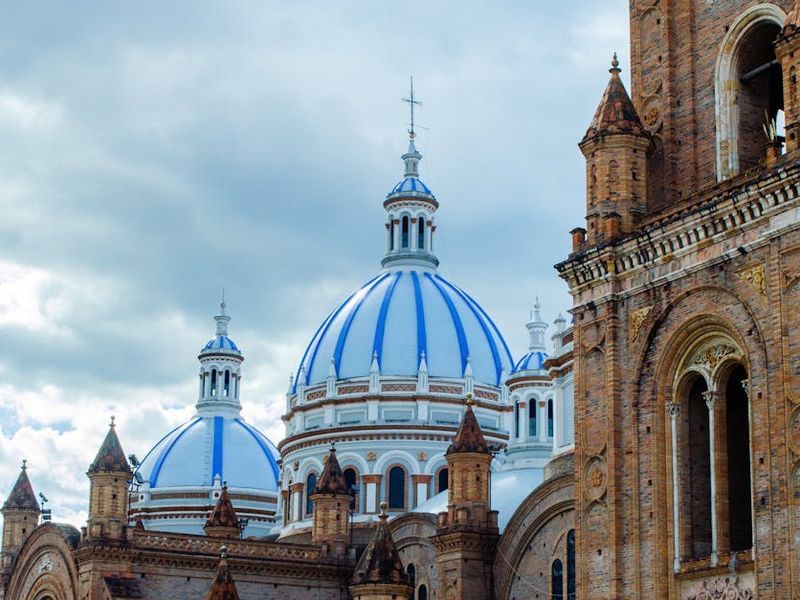
Cuenca, Ecuador’s UNESCO-listed jewel in the southern highlands, charms visitors with its cobbled streets, blue-domed cathedral, and easygoing pace of life. For first-time travelers the city is friendly and remarkably walkable, but a few local realities — altitude, weather, transportation and cultural customs — are helpful to understand before you arrive. This guide collects practical tips and local insights to help you make the most of your first trip.
Quick Orientation: Where Cuenca Fits in Ecuador
Cuenca sits at roughly 2,500–2,600 meters (about 8,200–8,500 feet) above sea level in the Andean region. Unlike the hot, humid coast or the Amazon basin, Cuenca offers a temperate climate year-round with cool nights and mild days. It’s an excellent base for exploring nearby villages, artisan markets and national parks like El Cajas.
Getting There: Flights and Overland Options
Mariscal Lamar International Airport (CUE) serves Cuenca with flights to and from Quito and Guayaquil and a few regional connections. If you fly into Guayaquil or Quito, comfortable interprovincial buses or private shuttles connect you to Cuenca — expect roughly 3.5–4.5 hours from Guayaquil and 8–10 hours from Quito by bus, depending on stops and traffic. Buses are a budget-friendly option with reclining seats; for comfort and convenience, book a reputable carrier with good reviews.
When to Visit: Seasons and Weather
Cuenca’s weather is mild but changeable. The city has a wetter season (roughly October–May) and a drier season (roughly June–September), though rain can occur in any month. Expect daytime temperatures in the mid-teens to low 20s Celsius (60s–70s°F) and cooler nights. For hiking in El Cajas or other outdoor activities, the drier months are often easier, but shoulder seasons offer fewer tourists and still plenty of good days.
Sorting Out Money and Budgeting
Ecuador uses the United States dollar as its currency, so there’s no need to exchange into a local currency. ATMs are common in Cuenca, but smaller towns and markets may be cash-only — keep some small bills and coins on hand for bus rides, market purchases and tips. Credit cards are accepted in many restaurants, hotels and shops, but always ask first.
How Much to Expect to Spend
Cuenca is affordable compared to U.S. and European cities. Expect to pay more for upscale dining and boutique hotels in the historic center; street food, markets and local restaurants (comedores) offer excellent meals for a fraction of the price. Plan a daily budget that accommodates your preferences: inexpensive travelers can manage comfortably, while mid-range budgets allow for guided day trips and regular dining out.
Where to Stay: Neighborhoods for First-Timers
For your first visit, the Historic Center near Parque Calderón is ideal: you’ll be within walking distance of the cathedral, museums, lively cafés and the Tomebamba riverfront. If you prefer quieter neighborhoods with easy tram access, look north or south along the Tranvía line — these areas provide a balance of calm and connectivity. When choosing lodging, prioritize proximity to main sights and safety; many hotels can also arrange airport transfers and tours.
Getting Around the City
Cuenca is compact and easy to explore on foot, especially the Old Town with its narrow streets and plazas. For longer trips use taxis, buses or the Tranvía (tram) — a modern, comfortable light-rail system that runs through the city. Taxis are plentiful and inexpensive; use official yellow taxis, agree on a price up front or insist the driver use the meter. If you’re out late, ask your hotel to call a taxi for you to reduce the chance of overcharging.
Public Transport Tips
- Buses are cheap but can be crowded and less intuitive for newcomers.
- The Tranvía is reliable for north-south travel and easy to use if you know the stops you need.
- Walking is often the fastest way to absorb the city’s character — bring comfortable shoes.
Health and Altitude: How to Acclimatize
The elevation in Cuenca can affect visitors who come from sea level. Symptoms of mild altitude sickness include headache, shortness of breath, fatigue and poor sleep. Give yourself a day or two to acclimatize: stay hydrated, avoid heavy physical exertion on your first day, limit alcohol, and eat lightly. Over-the-counter remedies and coca tea are commonly used by locals; if you have serious health concerns, consult a doctor before traveling and consider travel insurance that covers high-altitude issues.
Food, Drink and Culinary Tips
Ecuadorian cuisine in Cuenca blends Andean staples with coastal influences. Must-try local dishes include llapingachos (cheesy potato patties), hornado (slow-roasted pork), fresh trout from highland lakes, and the local twist on ceviche. For the adventurous, cuy (roasted guinea pig) is a traditional specialty in many places. Coffee and cacao are excellent; search out local cafés for single-origin brews.
Practical Food Advice
- Tap water in many parts of Cuenca is treated and generally safe, but if you’re sensitive, stick to bottled or filtered water and wash fruit before eating.
- Street food is delicious and widely available — choose busy stalls where food moves quickly for freshness.
- Breakfasts in Cuenca can be hearty; a light lunch and bigger dinner works well for many visitors.
Culture, Language and Respectful Travel
Spanish is the predominant language, and while you’ll find English speakers in hotels, tourist sites and some restaurants, learning a handful of Spanish phrases will go a long way. Ecuadorians tend to be polite and formal; greeting with a friendly “buenos días” or a handshake shows respect. In markets and with artisans, bargaining is normal — do so with a smile and start at roughly half the asking price if the seller expects haggling.
Photography and Local Sensitivities
Always ask permission before photographing people, especially vendors or Indigenous visitors who may be wearing traditional dress. Many artisans rely on photographs to promote their work, so some will be happy to pose for a small fee or after a brief conversation.
Safety: Smart Precautions for Newcomers
Cuenca is considered one of Ecuador’s safer cities, but petty theft and pickpocketing occur in crowded places. Use common-sense precautions: keep valuables tucked away, use a hotel safe for passports and extra cash, and remain alert in busy markets and on public transport. Avoid dimly lit, deserted streets late at night and request a taxi from a reputable stand when possible.
Connectivity: SIM Cards, Wi-Fi and Plug Adapters
Cell service in Cuenca is good and major providers like Claro and Movistar offer prepaid SIMs with data packages. You’ll usually need your passport to register a SIM. Many hotels, cafés and restaurants offer free Wi-Fi, but speeds vary — if you rely on constant connectivity, consider a local SIM with a data bundle as a backup.
Electrical Practicalities
Ecuador uses 120V electrical outlets with Type A/B plugs (same as the U.S.). If you’re coming from countries with different voltages, bring a voltage converter and the right plug adapter.
Must-See Places for First-Timers
For a first visit, prioritize a mix of architecture, local life and nature. Don’t miss the New Cathedral with its distinctive blue domes and the historic Parque Calderón. Walk the Tomebamba river promenade, explore artisan shops and markets, and visit Museo Pumapungo to see archaeological collections and reconstructed Inca terraces. For panoramic city views head to the Mirador Turi. For nature, plan a day trip to El Cajas National Park for highland lakes, windy trails and a different side of Ecuador’s landscape.
Quick Day-Trip Ideas
- El Cajas National Park — lakes, hikes and trout fishing.
- Gualaceo and Chordeleg — artisan towns known for weaving and silverwork.
- Ingapirca archaeological site — the largest Inca ruins in Ecuador (longer day trip).
Sample 3-Day Itinerary for First-Timers
Day 1: Stroll the Historic Center, visit the New Cathedral, sip coffee on Calle Larga and enjoy riverside walks. Day 2: Morning at Museo Pumapungo and artisan markets, lunch at a local comedor, afternoon at Mirador Turi for sunset. Day 3: Full-day excursion to El Cajas or a nearby artisan town for shopping and cultural immersion.
Packing List: What to Bring for a Cuenca Trip
- Layered clothing: light shirt, sweater, windproof jacket — nights can be chilly.
- Comfortable walking shoes for cobblestones and trails.
- Sun protection: hat, sunglasses and sunscreen — UV can be strong at altitude.
- Reusable water bottle and small daypack for excursions.
- Basic Spanish phrasebook or translation app, passport copy and a small first-aid kit.
Practical Final Tips
1) Make copies of your passport and store them separately from the original. 2) Learn a few polite Spanish phrases — locals appreciate the effort. 3) If you plan to buy artisan goods like Panama hats or silver jewelry, inspect quality and shop around; many sellers will provide a short story about the maker and materials. 4) Consider travel insurance that covers medical evacuation and trip interruptions. 5) Embrace the pace: Cuenca rewards travelers who slow down, wander, chat with locals and savor the city’s cultural rhythms.
Parting Advice
Your first trip to Cuenca will likely leave you wanting to return. With its manageable size, layered culture and easy access to majestic Andean landscapes, the city is an ideal introduction to Ecuador. Prepare for the elevation, bring layers, keep your plans flexible and enjoy the food, markets and welcoming atmosphere. With these tips you’ll be ready to explore Cuenca confidently and make the most of every colorful street and scenic viewpoint.