
Table of Contents
Why Cuenca is a Smart Choice for a Dental Vacation
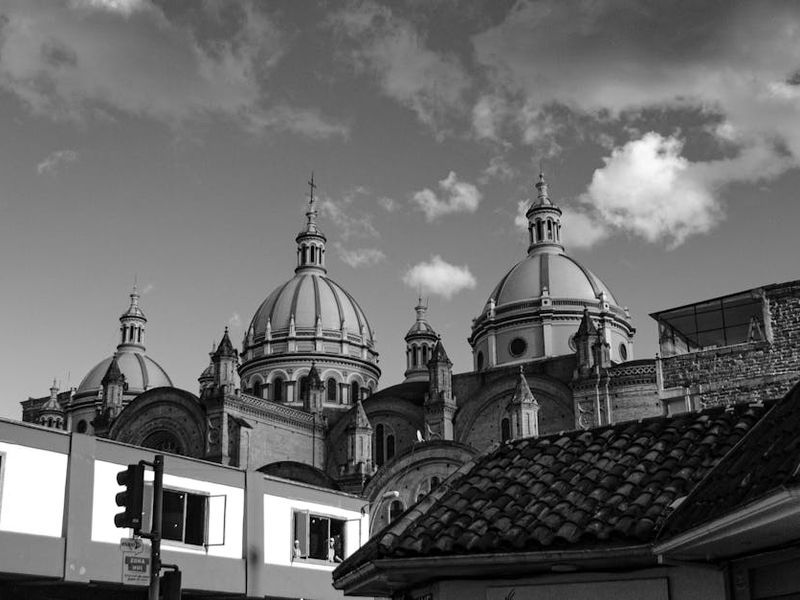
Cuenca, Ecuador draws travelers who want professional dental work without the long wait times and high costs back home. Beyond savings, the city offers a calm, walkable historic center, mild mountain climate, and plenty of gentle activities that help you relax between appointments. For anyone looking to combine dental care with real downtime, Cuenca checks the practical boxes — skilled dentists, modern clinics, accessible pharmacies — and the lifestyle boxes too: colorful plazas, riverside promenades, and easy day trips for fresh air and gentle hiking.
Start with a Clear Treatment Plan
Before you book flights, request a detailed treatment plan from the clinic: exact procedures, materials to be used, a timeline, a cost breakdown, and any follow-up or warranty information. Many reputable clinics will review digital X-rays and photos you send in advance, then propose a schedule that mixes treatments and rest days. Ask for the dentist’s credentials, whether X-rays are digital, the lab location for crowns, and how they handle complications. A transparent written plan lets you schedule sightseeing and recovery time without surprises.
Typical Timelines to Expect
- Cleanings and fillings: usually completed in one day.
- Standard crowns: often 7–14 days if the clinic uses local labs or CEREC same-day milling; otherwise plan for temporary crowns and a return visit.
- Implants: depending on the type, implants can require several months for osseointegration. Some clinics offer immediate loading or short-term solutions; confirm whether multiple trips are needed.
- Cosmetic work (veneers, whitening): typically 1–2 visits over a couple of weeks.
Choosing Where to Stay: Neighborhoods and Convenience
Plan your accommodation around accessibility and comfort. El Centro (downtown) places you within walking distance of many clinics, restaurants, and Parque Calderón — ideal for short walks between appointments. San Sebastián and the area near the Tomebamba River offer quieter streets with charming cafes and artisan shops. If you want easy access to outdoor recreation for post-op walks, consider staying closer to the Turi viewpoint or the neighborhoods that give quicker access to the road toward Cajas National Park.
Accommodation Tips for Recovery
- Choose a comfortable apartment or hotel with elevator access if you expect swelling or mobility sensitivity.
- Look for an accommodation with a small kitchen; soft-food recovery lunches are easier to manage at home.
- Request a room on a lower floor if you prefer less stair-climbing during recovery.
How to Book Travel: Flights, Transit, and Arrival
Most international travelers connect to Cuenca via Quito or Guayaquil, followed by a short domestic flight or a scenic bus ride. Domestic flights into Cuenca’s Mariscal La Mar Airport are short — typically under 75 minutes from Quito or around 40–60 minutes from Guayaquil — but schedules can change, so allow buffer time between connections.
If you arrive by bus from Guayaquil, the ride usually takes 3.5–4.5 hours depending on traffic. Taxis in Cuenca are inexpensive and convenient for short rides; arrange one via your hotel when you need a trusted driver after a procedure.
Packing & Practical Items for a Dental Trip
Bring copies of your dental records, any X-rays (digital files or printed), and a list of medications and allergies. Pack comfortable clothing, a travel pillow for flights, sunglasses (eyes can be sensitive after general anesthesia or sedation), and a chilled gel pack for swelling. Include a basic first-aid kit and any preferred over-the-counter pain relievers; popular options like ibuprofen or acetaminophen are widely available, but discuss specifics and dosages with your dentist prior to traveling.
Documents and Electronics
- USB drive or cloud link with dental records and before/after photos.
- Phone charger, power adapter, and a portable battery.
- Download translation apps or key dental phrases in Spanish if you’re not fluent — a little language goes a long way.
Budgeting: Costs and What to Expect
One of Cuenca’s draws is cost savings compared with North America and much of Europe. While prices vary by clinic, many visitors find treatments can be 40%–70% cheaper. Typical savings make more extensive work — crowns, bridges, implants — affordable, but always get several estimates and check what is included: post-op visits, X-rays, sedation fees, and any materials surcharges.
Use US dollars in Cuenca (Ecuador’s official currency), and note that most clinics accept major credit cards; some offer cash discounts. Keep a modest cash reserve for taxis, tips, or small purchases at markets.
Aftercare: Rest, Food, and Local Pharmacies
Plan low-key days after procedures. Cuenca’s cafes and plazas are ideal for restful strolls. Supermarkets like Supermaxi and neighborhood tiendas sell easy-to-prepare soft foods: yogurt, mashed potatoes, ripe avocados, and soups. Pharmacies around the city can fill prescriptions (brands may differ from back home), but bring your prescription or ask your dentist to write one clearly with generic drug names (for example, amoxicillin instead of a brand name) so local pharmacists can help.
Soft Food Ideas and Hydration
- Breakfast: Greek yogurt with soft fruit, oatmeal, or scrambled eggs.
- Lunch/Dinner: blended soups, cooked vegetables, mashed sweet potato, flaked fish.
- Hydration: Cuenca’s altitude and dry mountain air make hydration crucial — aim for regular water intake and avoid excessive alcohol during recovery.
Unplugging Activities That Aid Recovery
Cuenca offers gentle ways to unwind without straining your body or dental work. Short, flat walks along the Tomebamba River or around Parque Calderón are calming and won’t raise your heart rate. Visit quiet museums like Museo Pumapungo for gentle indoor time. For a full-day escape, Reserva ecológica El Cajas has easy trails and lake views that are restorative but require a cooler layer — it’s higher altitude, so plan for slow, easy hikes only if you feel comfortable.
Low-Impact Wellness Choices
- Hotel or day spas for a massage or facial — avoid steam rooms immediately after any dental surgery if your dentist cautions against it.
- Light yoga or guided meditation classes available in the city for stress reduction and improved circulation.
- Slow-paced artisan market visits to Chordeleg or Gualaceo for shopping that doubles as gentle sightseeing.
Communication and Cultural Tips
Spanish is the dominant language in Cuenca, but many dental professionals and hospitality staff speak conversational English. Learning a few dental-related Spanish phrases helps: ask for “receta” (prescription), “anestesia” (anesthesia), and “dolor” (pain). Respect local customs — a polite greeting and small talk at a café are appreciated. As always, use common-sense safety: keep valuables secure and prefer hotel-arranged taxis at night if you’re unsure.
What to Ask Your Dentist — A Quick Checklist
- What materials and brands will be used for crowns or implants?
- Do you have before/after photos and references from international patients?
- Who will perform the lab work and how long will it take?
- What kind of sedation options are available and who administers them?
- How do you handle complications or emergency calls after hours?
- Will I get a written warranty or follow-up schedule?
Follow-Up and Returning Home
Ask the clinic to provide clear written instructions for home care and a copy of your dental records at the end of treatment — many clinics will give a summary and digital images you can share with your dentist back home. If your procedure requires additional healing time, plan at least one follow-up with your local dentist, and keep the clinic’s contact info handy in case any issues arise in the weeks after you return.
Final Notes: Making It a True Vacation
Dental care doesn’t have to dominate your trip. With good planning you can balance effective treatment and genuine rest. Pace your schedule, prioritize sleep and hydration, and sprinkle in low-key local experiences: a riverside coffee, a visit to a ceramics shop in Chordeleg, or a gentle sunset view from Turi. Cuenca’s blend of modern clinics and colonial charm makes it ideal for travelers who want quality dental work and a peaceful place to heal.
Remember: thorough research, clear communication with your clinic, and realistic timelines are the keys to a successful dental vacation. Pack smart, book conservatively, and let Cuenca’s tranquil streets do the rest — you’ll come home with a healthier smile and a refreshed perspective.
Emergency and Practical Contacts
Keep 911 saved for emergencies in Ecuador. Save your clinic’s 24-hour contact, your hotel’s phone number, and the U.S. or your home country’s consulate details if you’re traveling internationally. With this small safety net, you’ll be able to relax, recover, and enjoy the best of Cuenca while getting the dental care you need.