
Table of Contents
Why the Southern Highlands Deserve a Spot on Your Ecuador Itinerary
The southern highlands of Ecuador offer a compact but diverse travel experience: UNESCO-listed colonial streets, surprise microclimates, cloud-forest biodiversity, thriving arts scenes and a mellow expat culture. Centered on Cuenca, Loja and the relaxed valley town of Vilcabamba, this region is ideal for travelers who want culture, nature and slower rhythms without long overland transfers.
Quick Practical Snapshot
Before the details, here are the essentials at a glance:
- Altitude: Cuenca ~2,560 m (8,400 ft); Loja ~2,060 m (6,760 ft); Vilcabamba ~1,500 m (4,920 ft).
- Climate: Cuenca has year-round spring-like temperatures; Loja is slightly warmer and drier; Vilcabamba has a warm, subtropical valley microclimate.
- Transport: Regional flights to Cuenca, frequent buses and shared shuttles between cities; local taxis and ride apps in urban areas.
- Time needed: 7–10 days allows a relaxed loop through the three hubs plus key day trips.
Getting There and Moving Around
Cuenca is the most common entry point for the southern highlands. Mariscal La Mar Airport (CUE) has regular flights to Quito and Guayaquil. If you’re coming by land from Quito, allow a full day by bus; from Guayaquil it’s 4–5 hours. Interprovincial buses connect Cuenca–Loja (roughly 3–4 hours depending on route) and Cuenca–Vilcabamba (about 4–5 hours). Travel times vary by road and stop frequency, so plan buffer time.
All three towns have central bus terminals (Terminal Terrestre) where reputable companies depart; buying a ticket a day ahead is common during high season. For shorter hops—especially to nearby trails or small villages—shared taxis (colectivos) and private shuttles are widely available. In Cuenca and Loja, local taxis are inexpensive; agree the fare or use the meter when possible. Ride-hailing apps operate sporadically—use local advice on availability.
Cuenca: A Base for Culture, Food and Day Trips
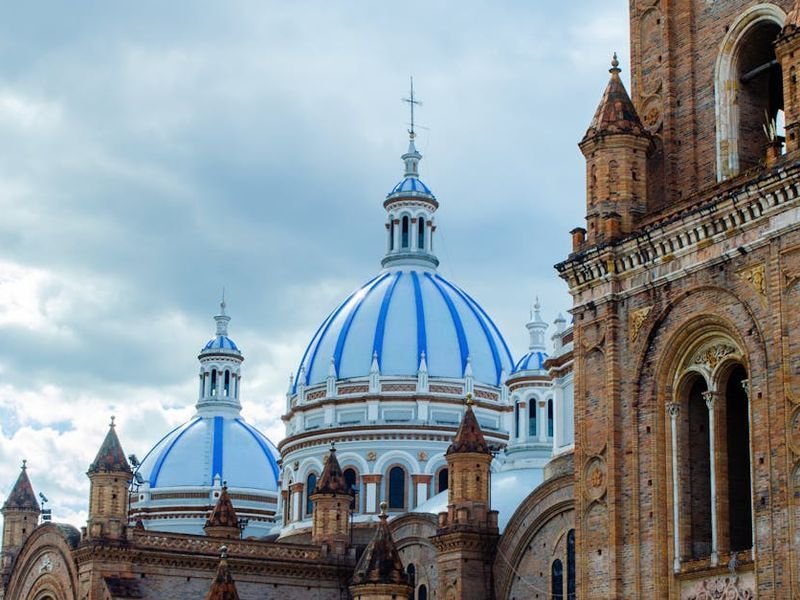
Cuenca’s Centro Histórico is a photographer’s dream: cobbled streets, bright ceramic-tiled churches and the three-domed New Cathedral (Catedral Nueva) with its blue domes visible for blocks. Stroll along the Tomebamba River, soak in the Plaza Calderón and browse artisan shops for Panama hats (seriously—these are traditionally woven in Ecuador).
Top things to do in Cuenca:
- Visit Pumapungo Museum and ruins—an excellent intro to pre-Columbian cultures and local history.
- Explore local markets—Mercado 10 de Agosto and Mercado San Francisco are full of fresh produce, local dishes and a lively atmosphere.
- Walk the river terraces and photo the cathedral at sunrise or sunset for the best light.
- Take a day trip to Cajas National Park (30–60 minutes) for páramo lakes, hiking and birdwatching.
- Short excursions to Ingapirca ruins are possible—this Inca site is a great cultural complement.
Where to stay: El Centro and the San Sebastián neighborhoods are convenient for first-time visitors; they offer easy access to major sights and restaurants. Budget travelers find hostels and small guesthouses near the central park; long-term renters can find furnished one-bedroom apartments starting roughly $300–$600/month, depending on location and amenities.
Cuenca Practical Tips
- Altitude: Spend a day or two taking it easy to acclimatize—light meals, hydrate, avoid heavy exertion your first 24–48 hours.
- Tap water: Many locals drink tap water after municipal treatment; if you prefer caution, use filtered or bottled water.
- Currency: Ecuador uses the U.S. dollar—ATMs are abundant in Cuenca, but carry small bills for markets and taxis.
- Connectivity: Cafés and hotels provide reliable Wi-Fi; coworking spaces exist if you need a quiet work setup.
Loja: Ecuador’s Music and Cloud-Forest Gateway
Loja is often described as Ecuador’s cultural and musical capital. Compared with Cuenca, Loja has a quieter, more provincial vibe but with strong artistic energy—concerts, conservatories and small galleries are part of daily life. The city is also the launching point for access to Podocarpus National Park, a hotspot for birders and hikers.
What to do in and around Loja:
- Wander Plaza de la Independencia and the surrounding historic blocks for local cafés and artisan shops.
- Explore nearby Podocarpus for cloud forest biodiversity—expect hummingbirds, orchids and misty trails. Guided hikes are recommended to get the most of birdwatching.
- Sample regional specialties and visit local bakeries; Loja’s artisanal food scene is a delightful blend of Andean and valley produce.
- Check the cultural calendar: concerts and community festivals are a common weekend activity—ask at your hotel about events.
Loja Practicalities: Public buses run between Loja and Vilcabamba frequently and take under two hours. Taxis and private transfers are affordable. Accommodations are generally less tourist-focused than Cuenca, which can mean better prices and more local flavor.
Vilcabamba: Valley of Longevity and Slow Travel
Vilcabamba (sometimes called the Valley of Longevity) sits at a lower elevation and attracts visitors seeking a warmer climate, outdoor activities and wellness offerings. The town’s reputation for long-lived residents has attracted many health-minded travelers and expats, and the streets are a mix of local families, international visitors and small wellness centers.
Highlights in Vilcabamba:
- Relaxed hikes and waterfall trails. There are numerous short-to-moderate day hikes; local guides can show lesser-known cascades and swimming holes.
- Wellness and alternative health: yoga studios, herbal shops and holistic clinics are easy to find—ideal if you want a detox or a yoga retreat day.
- Markets and small cafés: try fresh fruit, locally made juices and farm-to-table meals; organic produce is abundant.
- Local culture: visit Saturday markets, talk to artisans, and enjoy live music at small venues.
Practical notes: Vilcabamba has a laid-back feel—don’t expect a big-city infrastructure. Pharmacies and groceries cover basics; for advanced medical care, travel back to Loja or Cuenca. Many visitors choose to base here for several days to enjoy the valley rhythm.
Safety, Health and Smart Travel Tips
- General safety: The southern highlands are considered safer than many large cities, but petty theft happens. Keep valuables secure, avoid poorly lit streets at night and use hotel safes when possible.
- Health: Acclimatization is important—sleep, hydrate and eat lightly on arrival. Those with serious cardiac or respiratory conditions should consult a doctor before traveling to high altitudes.
- Vaccinations: No special vaccines are required for short visits beyond routine immunizations. If you plan jungle travel or extended stays, check with your healthcare provider for personalized advice.
- Sun and weather: High-elevation sun is strong year-round—bring sunscreen, a hat and sunglasses. Layers are crucial: mornings and evenings can be chilly in Cuenca and Loja, while Vilcabamba is comfortably warm.
- Insect precautions: Bring mosquito repellent if you plan to travel to lower-elevation valleys or hikes near water.
Food, Drink and Local Flavors
Southern highland cuisine blends Andean staples and valley produce. Expect hearty soups like locro de papas, roasted pork (hornado), chicken and rice dishes, and plenty of fresh fruit. Cuenca boasts a growing culinary scene—cafés with specialty coffee, contemporary bistros and international options are common. Don’t miss trying locally made cheeses, chocolates and the ubiquitous fresh fruit juices sold at markets.
For coffee lovers, the Loja region produces excellent beans—ask for a local roast. For a snack on the go, look for empanadas and street-side bowls of fruit. If you want to try traditional highland delicacies like cuy (roasted guinea pig), ask first about local practices and preparation.
Suggested Itineraries
Short loop (5–7 days): 3 nights in Cuenca to explore the historic center and Cajas National Park, then 2 nights in Vilcabamba for relaxation and light hikes, finishing with a night in Loja to enjoy the cultural scene before heading home.
Slow travel (10–14 days): Spend a week in Cuenca—use it as a base for Cajas, Ingapirca and artisan villages—then move to Loja for 3–4 days of birding in Podocarpus and cultural encounters. Finish in Vilcabamba with yoga, markets and valley hikes, leaving room for relaxation or a short wellness program.
Packing Essentials for the Southern Highlands
- Layered clothing: lightweight base layers, fleece or sweater, and a waterproof shell for the unpredictable mountain weather.
- Comfortable walking shoes and a pair of sandals for lower-elevation river swims.
- Sunscreen, sunglasses and a wide-brim hat—UV is strong at altitude.
- Reusable water bottle with a filter if you want to avoid single-use plastic.
- Small first aid kit, altitude remedies (ginger, coca tea locally available), and any personal medications.
- Camera with spare batteries—landscapes and colonial architecture are photogenic.
Sustainable and Respectful Travel Guidelines
Support local artisans and small family-run restaurants; buy crafts from makers rather than mass-market stalls. When hiking, stick to marked trails, avoid feeding wildlife and take all trash with you. If visiting indigenous communities or family-run farms, ask permission before photographing people and consider hiring local guides for both cultural and economic benefits.
Final Tips and Local Etiquette
Learn a few Spanish phrases—locals appreciate the effort and it opens more authentic interactions. Greet shopkeepers and neighbors with a friendly “buenos días” or “buenas tardes.” Tipping in Ecuador is courteous but not mandatory; 10% in restaurants is standard if you had good service. Be patient—markets and buses run on local time and the slower pace is part of the appeal.
Whether you’re wandering the tile-roofed streets of Cuenca, listening to a small Loja ensemble or waking to tropical sun in Vilcabamba, Ecuador’s southern highlands reward curiosity, slow walks and an appetite for fresh food and green landscapes. Plan a flexible route, pack layers, and let the region’s distinct microclimates surprise you.